

TRIESTE – The total Brenner blockade scheduled for 30 May has been confirmed and will be accompanied by an additional measure set to increase disruption: the State of Tyrol will also close many of the secondary roads that could be used as alternative routes.
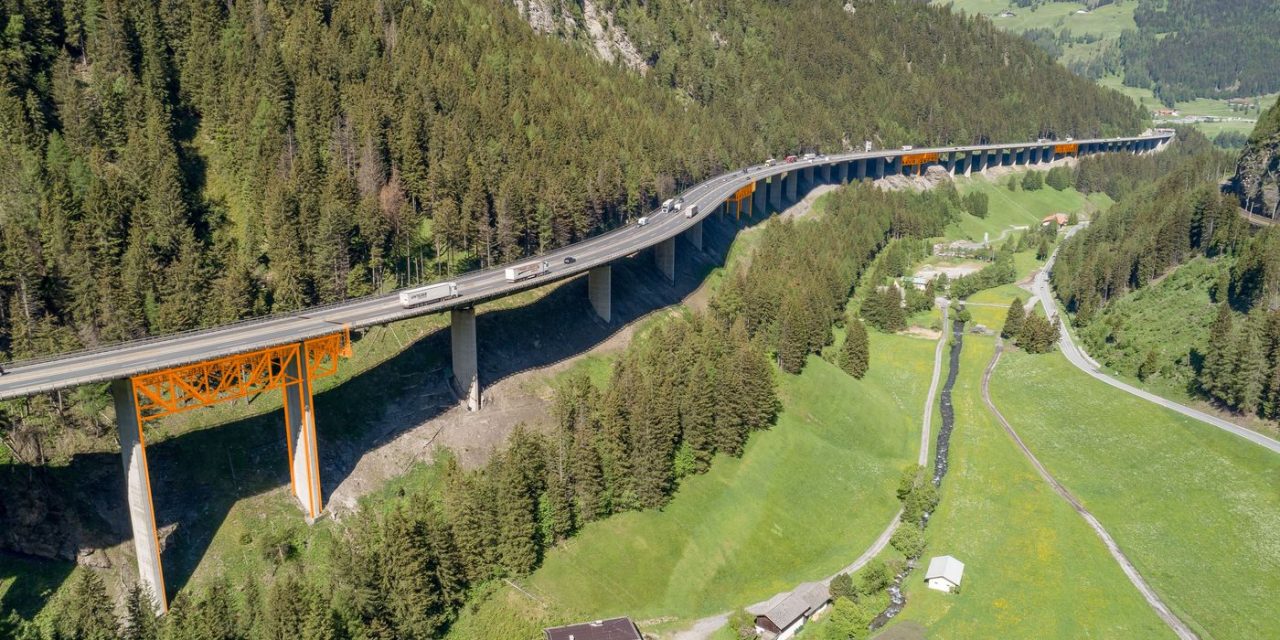
The protest, promoted by the mayor of Gries am Brenner, Karl Mühlsteiger, will affect the A13 Brenner motorway on the section between Schönberg and the Brenner Pass, in both directions.
The blockade will be in force from 11 a.m. to 7 p.m. on Saturday 30 May, a day already indicated by Autostrada del Brennero as a “black day” for tourist and commercial traffic.
The Innsbruck district authority decided not to ban the demonstration, despite calls for a rethink also from Austrian Transport Minister Peter Hanke.
Mühlsteiger confirmed that the protest will go ahead as planned, explaining that the minister’s appeal came “too late” and pointing to the lack of direct dialogue with the federal government during the minister’s recent visit to the Lueg bridge construction site.
The real new element, however, concerns the management of alternative routes. The State of Tyrol has announced the closure of numerous secondary roads along the possible routes used to bypass the motorway blockade. Only local traffic for residents and those requiring local access will be allowed, with strict checks.
According to the Tyrolean authorities, the small towns crossed by provincial roads would not be able to cope with exceptional volumes of heavy goods and tourist traffic. The head of the Innsbruck-Land district authority, Kathrin Eberle, explained that dangerous situations could quickly arise on narrow sections with bends and gradients.
Emergency services, however, will remain guaranteed. Rescue vehicles will be able to use the A13 motorway even during the blockade, thanks to a reserved corridor on the carriageway. Rescue helicopters and a Red Cross motorcycle team will also be deployed.
The decision has also caused irritation in South Tyrol. Provincial Infrastructure Councillor Daniel Alfreider described the authorisation granted for the protest as “extremely irritating” on one of the most critical days for traffic along the Brenner axis.