

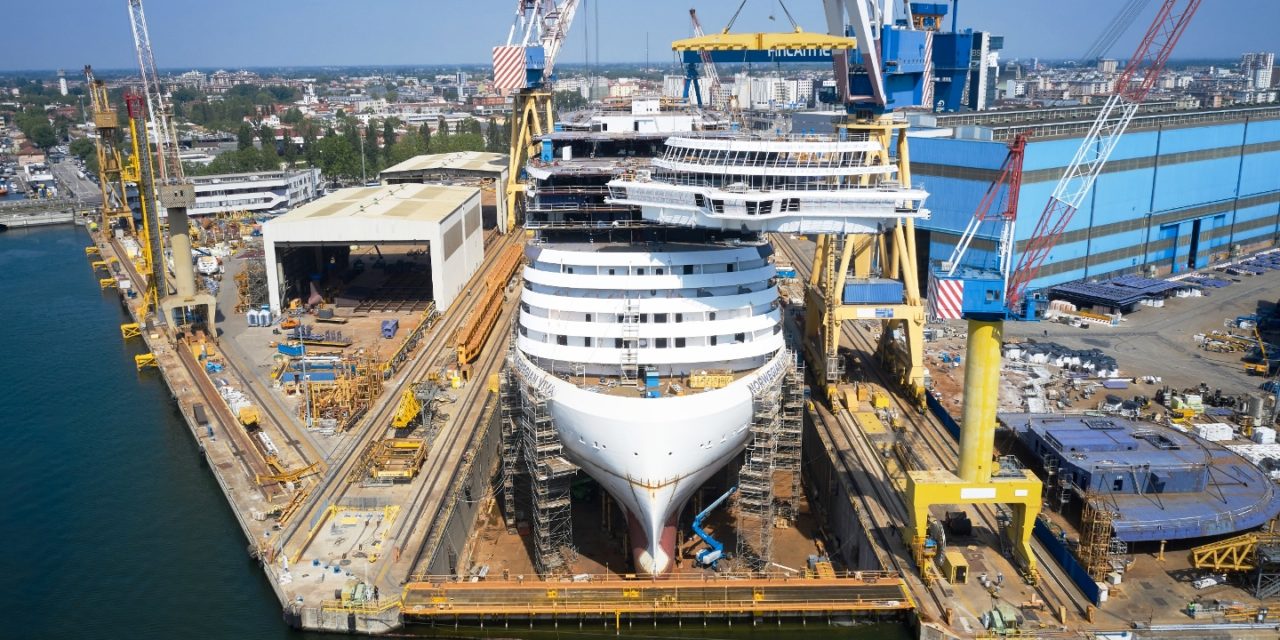
TRIESTE – Veneto could be among the Italian regions least affected by US tariffs, thanks to the diversification of its exports. Friuli Venezia Giulia, on the other hand, could fare worse, as it exports ships and boats to the United States worth about one billion euros a year.
The 30% customs duties imposed by the Trump administration could trigger a series of direct effects on Italian exports, but also indirect ones, such as a further appreciation of the euro, increased uncertainty in financial markets, and a rise in the cost of many raw materials. These could cause economic damage of up to 4 billion euros a year for Veneto’s manufacturing system, and 1 billion for Friuli Venezia Giulia’s.
However, Veneto, due to the strong diversification of its exports to the US, may experience less severe repercussions than much of the country—and certainly less than FVG. This is the conclusion of a study by the CGIA Research Office, based on a product diversification index by region, calculated using the economic value of the top ten product categories in each region’s total export sales. The lower the index, the more diversified the region’s exports appear, making them less vulnerable to potential disruptions in international trade. Conversely, the higher the concentration of value in the top ten exported goods, the more exposed the region is to negative shocks. The two regions with the highest level of export diversification—and thus less exposed to the effects of US tariffs—are Lombardy (with an index of 43%) and Veneto (46.8%), Italy’s first and third largest exporting regions, which together account for a total of €244 billion in exports, nearly 40% of the national total. Of Veneto’s €7.5 billion in exports to the US in 2023, the top products were eyewear and medical devices (€1.451 billion), beverages and wine (€614 million), and gold (€581 million).
These are followed by Puglia (49.8), Trentino-Alto Adige (51.1), Emilia-Romagna (53.9), and Piedmont (54.8). In Friuli Venezia Giulia, which ranks mid-table nationally with a 63.1% diversification index, the top three categories among more than €2.3 billion in exports to the US are ships and boats (€1.045 billion), furniture (€317 million), and machinery (€230 million). The most at risk are southern regions. Unlike the rest of the country, almost all regions in the South show low diversification in the products they export. Therefore, if—following tariffs on steel, aluminum and related goods, motor vehicles and car parts—the US and other countries were to raise trade barriers on additional goods, the national production system would be most affected in those areas where exports rely heavily on a limited number of product categories.