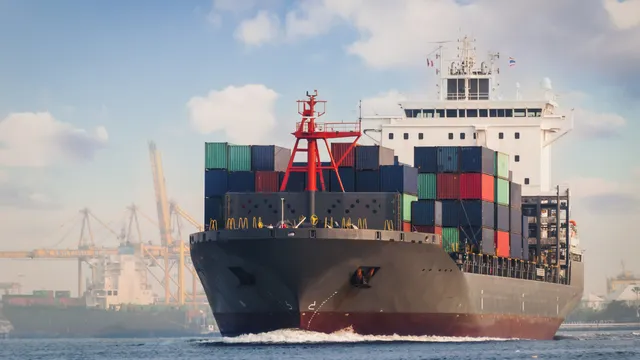


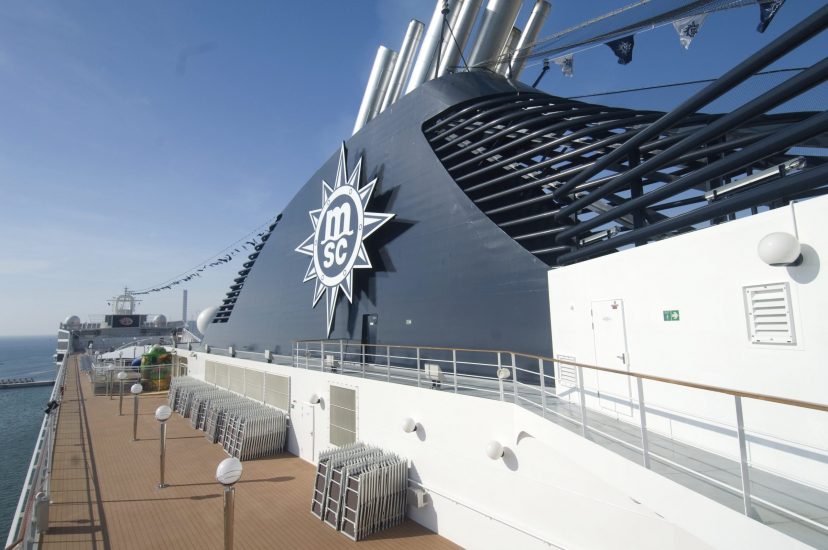
VENEZIA – Maritime transport is set to become “greener”. Eni and MSC have tested HVO diesel biofuel, produced in Porto Marghera and Gela and available in Genoa, Ravenna and Venice.
Hydrogenated Vegetable Oil diesel was tested to power cruise ships, demonstrating that this fuel can effectively work. This is news that will mainly please shipowners, the two companies explained in a joint statement, as it will allow a reduction in emissions costs while complying with the FuelEU Maritime regulation.
Two thousand hours of operation without engine modifications led to a reduction in both NOx emissions (nitrogen oxide, -16%) and particulate matter, as well as a significant decrease in GHG emissions (greenhouse gases), equal to around -80% compared with the use of conventional fuel. The reduction is linked to the use of 100% biogenic raw materials in the HVO production process.
Technical data on engine performance and associated emissions were collected and assessed with the support of Wärtsilä, the engine manufacturer, and Bureau Veritas, which acted as the certification body.
«The trial with MSC has shown how biofuel can make an immediate contribution to the decarbonisation of maritime transport. HVO can in fact be used in pure form in marine engines validated for its use, allowing a reduction in climate-changing emissions, calculated across the entire supply chain, of between 65% and 90% compared with traditional fossil marine fuels. HVO», commented Stefano Ballista, CEO of Enilive, «is produced at Enilive’s biorefineries in Venice and Gela, mainly from waste raw materials such as used cooking oils, animal fats and residues from the agri-food industry. For several months, Enilive’s HVO diesel for marine use has been available in the ports of Genoa, Ravenna and Venice for direct deliveries from the depot to ships by bunker barge».
Michele Francioni, Chief Energy Transition Officer of MSC Cruises, added: «We are very pleased to have successfully confirmed the technical feasibility of using 100% HVO on one of our cruise ships, as part of our ongoing decarbonisation efforts. We believe HVO can play an important role in the decarbonisation of shipping and that, together with other immediately available fuels such as LNG and bio-LNG, it represents a concrete opportunity already applicable on board cruise ships to accelerate the transition towards renewable fuels, bringing us one step closer to our ultimate goal of achieving net zero GHG emissions by 2050».