


TRIESTE – Snam’s new strategic plan confirms the central role of LNG infrastructure in Italy’s energy security, with the offshore regasification terminal off Ravenna already operational and integrated into the national gas grid.
The 2026-2030 industrial plan, released on 5 March through regulated information on Euronext Milan, provides for €14 billion in investments by 2030, mainly aimed at developing gas infrastructure and strengthening the resilience of the energy system.
In the same document, Snam explicitly identifies the offshore terminal off Ravenna among the strategic assets already in operation. The statement recalls that the FSRU “BW Singapore”, installed off the Ravenna coast, entered service in May 2025 and in its first year has already shown a very high utilisation rate.
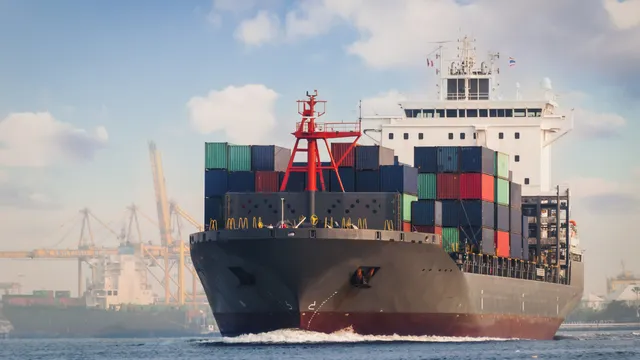
In 2025, the terminal regasified 1.72 billion cubic metres of liquefied natural gas, with 17 LNG carriers arriving off Ravenna and unloading slots used almost in full from the plant’s start-up. The project uses an offshore platform located about 8.5 kilometres off the coast of Punta Marina and connected to the national grid by a pipeline around 42 kilometres long, part of it subsea. The regasification vessel can store up to 170,000 cubic metres of LNG and feed at least 5 billion cubic metres of gas a year into the grid.
Within Snam’s strategic framework, the Ravenna terminal helps increase Italy’s LNG import capacity, alongside the country’s other plants, and strengthens the flexibility of the energy system. In 2025, the Group’s regasification infrastructure handled a total of 7.73 billion cubic metres of gas, while Italian LNG imports exceeded 20 billion cubic metres, around one-third of national demand.
The industrial plan was presented in a context of strong geopolitical attention on energy flows. In statements reported by news agencies, chief executive officer Agostino Scornajenchi said that no immediate disruption to gas supplies to Italy is expected and that several LNG carriers from Qatar are already on their way to European terminals. The Italian government has also indicated a relatively stable supply situation. Environment and Energy Security Minister Gilberto Pichetto Fratin said that Italy has high storage levels and an infrastructure system capable of ensuring the required volumes.