

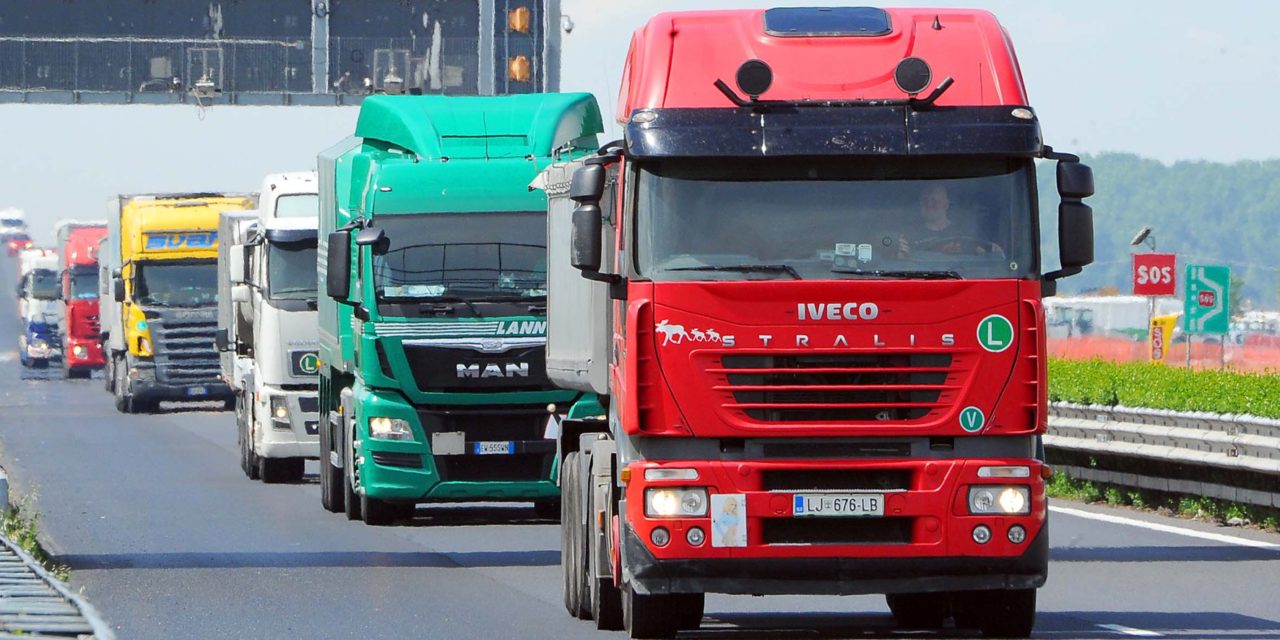
TRIESTE – After two months of war in the Gulf, the rise in diesel prices is weighing on road haulage in Veneto and Friuli Venezia Giulia by around 180 million euros, with direct effects on one of the country’s main logistics hubs.
According to estimates by the Studies Office of CGIA Mestre, the price of diesel has risen from 1.676 to 2.005 euros per litre, an increase of close to 20%. Despite the cut in excise duties, the extra cost for the sector at national level is estimated at around 1.5 billion euros in the first eight weeks of the conflict. Of this, 150 million euros concerns Veneto and 30 million Friuli Venezia Giulia.
Veneto is the most exposed area. A significant share of the national logistics system is concentrated here: 148.6 million tonnes moved by road every year, equal to around 15% of the Italian total, and as many as eight of the top twenty interregional flows. Friuli Venezia Giulia is smaller in scale but still significant, with 27.5 million tonnes a year (2.8% of the total) and two routes among the most important at national level, both with Veneto.
The rise in fuel prices is affecting an already fragile context. The theoretical rates set by the Ministry of Infrastructure and Transport, between 1.30 and 1.60 euros per kilometre, are rarely fully applied. In northern Italy, where demand is stronger, actual prices average between 1.40 and 1.70 euros, with greater continuity of work and fewer empty runs. In the South, by contrast, rates fall and the problem of unloaded trips increases, with a direct impact on profitability.
The sector’s financial structure is the main burden. Road haulage companies bear immediate costs – fuel, tolls, maintenance, personnel – but collect payments only after long delays, often between 90 and 120 days. Payment delays remain widespread, despite warnings from the Ministry and possible sanctions from the Italian Competition Authority. In this context, the increase in diesel prices rapidly reduces available liquidity and puts the smallest companies in particular under pressure.
The system as a whole remains heavily concentrated on the domestic market: according to Istat data, more than 97% of road freight flows take place within national borders, for a total of more than one billion tonnes a year. The North maintains a dominant role, with around 68% of goods departing from the area, while the South remains marginal and less integrated into the main logistics corridors.
In Veneto, almost half of the flows remain within the region, while the rest are distributed mainly towards Lombardy and Emilia-Romagna. In Friuli Venezia Giulia, by contrast, exchanges with other regions prevail, indicating greater integration into interregional traffic.
The combination of rising costs and financial tensions is now fuelling the risk of an operational standstill. Road haulage associations have called a national stoppage of services from 25 to 29 May and have opened talks with the Ministry of Infrastructure and Transport, represented by deputy minister Edoardo Rixi. The government has opened the door to possible measures to support liquidity, but for now the strike remains confirmed.
Without rapid measures, the risk is that many companies – CGIA points out – will stop before the protest, not by choice but because they lack the resources to sustain operating costs, starting with fuel.