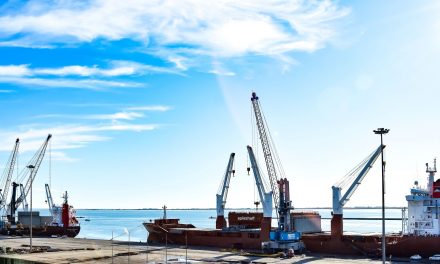


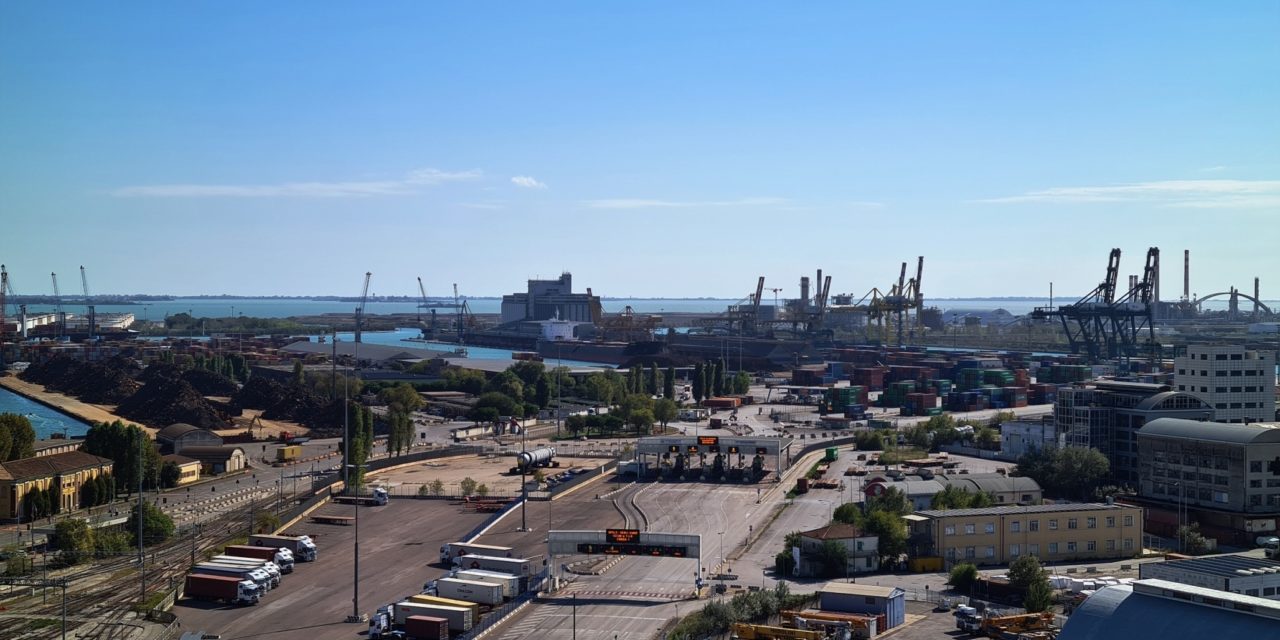
TRIESTE – Porto Marghera is close to becoming one of Europe’s main hubs for the storage of critical raw materials and rare earths, within an integrated system that will also involve the ports of Trieste and Ravenna and the Verona interport.
The project, supported by the Italian government and being followed with interest by the European Commission, aims to strengthen Europe’s strategic autonomy in the supply of materials essential for industry, as already emerged in recent weeks. During the visit to Porto Marghera, attended by the European Commission’s Executive Vice-President for Prosperity and Industrial Strategy, Minister of Enterprises and Made in Italy Adolfo Urso announced that work could begin as early as this autumn. The identified area, owned by Eni, extends over around 12 hectares and is a candidate to host one of the first European hubs provided for under the Critical Raw Materials Act, the EU regulation that entered into force in 2024.
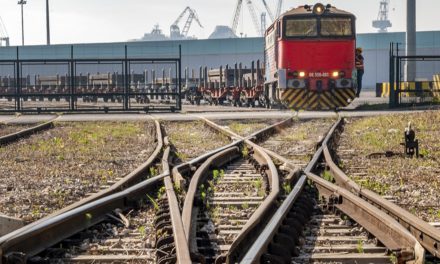
According to the Minister, the strategic storage facility will be able to rely on a network also comprising the ports of Trieste and Ravenna, with the logistical support of the Quadrante Europa interport in Verona. The latter will be responsible for distributing raw materials to the continental market through the main European rail corridors, particularly along the Brenner axis.
The objective is to build a complete supply chain that is not limited to storage, but also includes refining and recycling activities for strategic materials. These include lithium, tungsten, bauxite, aluminium and other resources that are fundamental for the energy transition, the technology industry and European manufacturing. The Tassullo mine in Trentino is also expected to contribute to completing the system, progressively expanding its strategic storage functions in line with the growth in demand for critical raw materials.
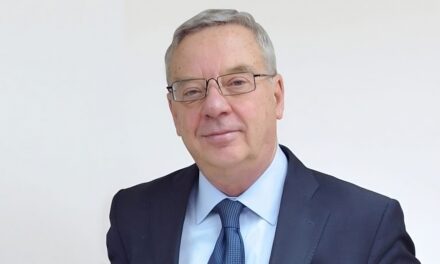
European Commission Vice-President Stéphane Séjourné described the initiative as «a very ambitious project», stressing that it could help identify vulnerabilities in supply chains, monitor markets and improve cooperation between European partners. Séjourné also highlighted Italy’s role in proposing the project and in making infrastructure, industrial expertise and logistics capacity available.
Ravenna is also looking at the plan with interest. Mayor Alessandro Barattoni welcomed the involvement of the Romagna port, highlighting the availability of terminals and logistics areas that can still be developed. According to Barattoni, Ravenna will be able to contribute to the management of the entire critical raw materials cycle, from sourcing to processing and recycling, to the benefit not only of Italy but of Europe as a whole.
For the Government, the system formed by Venice, Trieste, Ravenna and Verona represents an alternative solution to the major Northern European hubs, such as the port of Rotterdam, leveraging the geographical position of Italy’s North-East and the presence of infrastructure already operational and connected to the main continental logistics corridors.