

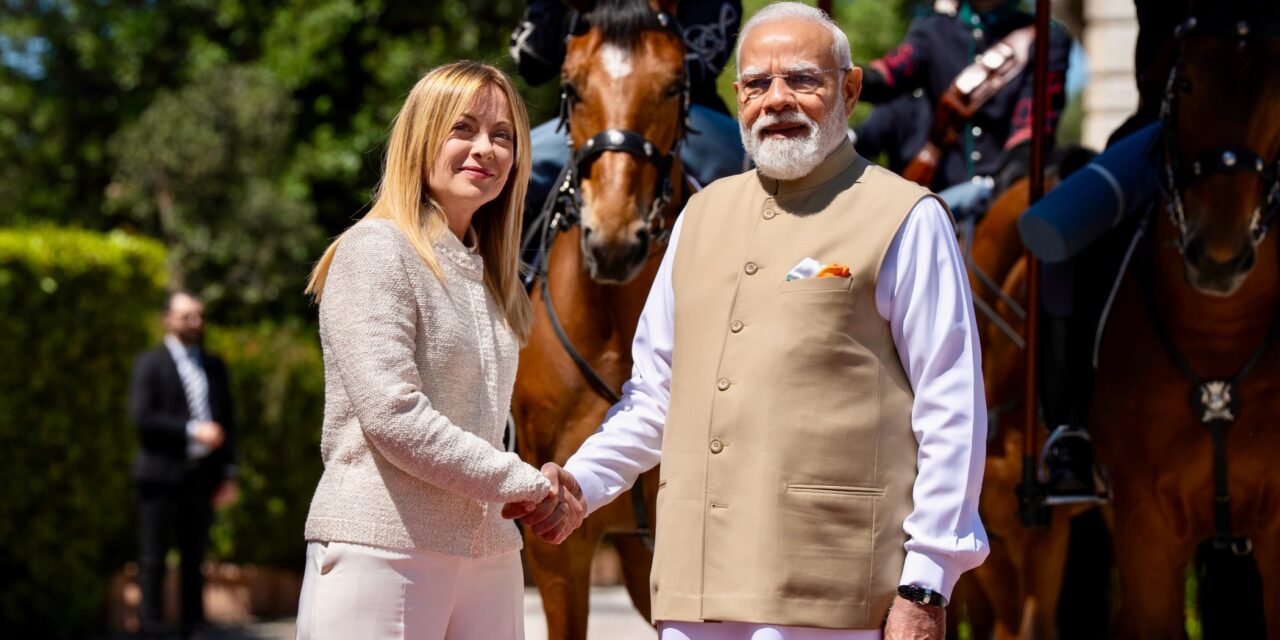
TRIESTE – At the centre of yesterday’s meeting between Prime Minister Giorgia Meloni and Indian Prime Minister Narendra Modi, alongside agreements on defence, technology, energy and trade, was the IMEC economic corridor (India-Middle East-Europe Economic Corridor), considered by both governments a strategic platform for reshaping global trade routes.
The summit between Meloni and Modi marks a strengthening of relations between Italy and India, twenty-six years after the last official visit by an Indian head of government to Rome.
Meloni described Italy and India as “two logistics platforms projected into spaces crucial to the world, the Mediterranean and the Indo-Pacific”, stressing the shared intention to strengthen interconnections between the two areas. The IMEC corridor, launched within the framework of the G20, is described by Palazzo Chigi as a tool capable of “unlocking extraordinary potential” for trade, businesses and economic relations.
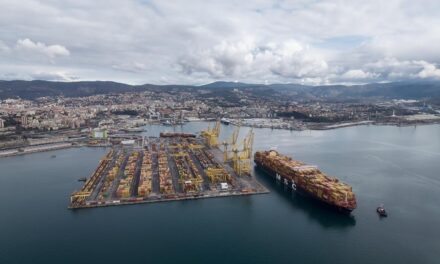
The key challenge is above all logistics and infrastructure. Italy is aiming to present itself as the natural European terminal of the corridor thanks to its port and rail network, with particular attention to the Upper Adriatic system and the port of Trieste, identified as a hub towards Austria, Germany, Poland and Central-Eastern Europe.
The summit also consolidated the economic dimension of the partnership. Today, more than 800 Italian companies are present in India and the shared objective is to increase bilateral trade from 14 to 20 billion euros by 2029, also thanks to negotiations to strengthen trade agreements between India and the European Union.
Deputy Prime Minister and Foreign Minister Antonio Tajani described IMEC as an infrastructure of “extraordinary importance”, highlighting Trieste’s strategic role as a gateway to Central Europe. According to Tajani, the corridor will have to connect the Mediterranean to India through the Gulf and the Middle East, creating a new trade route capable of strengthening European competitiveness, supply chain security and energy connections. The minister insisted on the industrial and commercial opportunities that the project could generate for Italy’s production system.
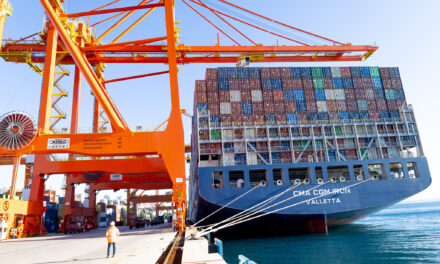
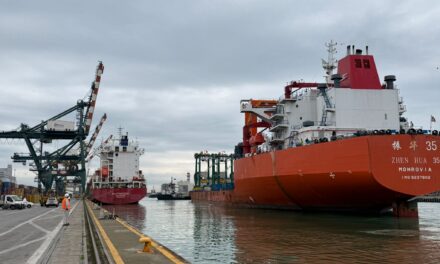
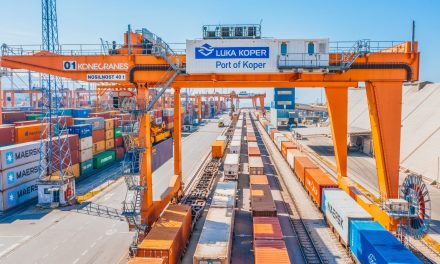
Deputy Infrastructure Minister Edoardo Rixi emphasised the maritime and port dimension of the agreement with New Delhi. Rixi described Italy and India as “two major maritime powers” and explained that the memorandum signed in Rome opens a new phase of concrete cooperation in the port, logistics and infrastructure sectors. In the vision of the Ministry of Infrastructure and Transport, Italy represents the natural European terminal of IMEC thanks to two strategic axes: the western one, linking Genoa to the Rhine, and the eastern one, centred on Trieste and connections towards Central-Eastern Europe.
For the deputy minister, Italy’s system of ports, interports and infrastructure can turn the country into India’s main logistics partner in Europe, in a scenario in which the Indo-Pacific is taking on growing importance for global trade and supply chain security.
From the League side, MEP Anna Maria Cisint argued that the confirmation of IMEC’s centrality strengthens Friuli Venezia Giulia’s role as the “true gateway to Europe” for flows arriving from India. Cisint described the project as an “epoch-making turning point” for international trade, energy security and European strategic autonomy, calling for rapid acceleration on infrastructure and worksites.
On the same line, senator Marco Dreosto said that Trieste represents “the natural geographical and logistics answer” to the IMEC corridor. Dreosto claimed the role of the International Free Port as a possible European pivot of the project, urging the government to rapidly translate the political vision into investment and infrastructure and energy connections.