

TRIESTE – Representation of the sector is growing, but rail freight transport in Italy continues to face a highly critical phase amid falling traffic, works linked to the NRRP and uncertainty over support measures.
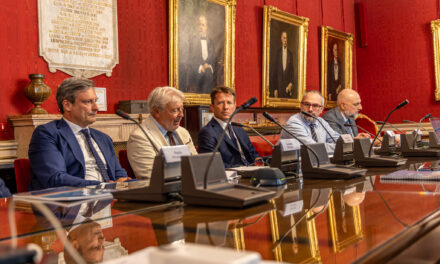
This is the picture that emerged from the members’ assembly of Associazione Fermerci, held last week in Rome.
In the first four months of 2026, the association recorded the entry of eight new operators, a sign of the strengthening of its representative role within the sector. At the same time, however, the sector is reporting a complex phase, worsened by interruptions to the railway network required for NRRP infrastructure works, which are affecting operational continuity and traffic volumes.
According to data released ahead of the fourth edition of Fermerci’s annual report, expected on 20 May at CNEL, there has in fact been a widespread reduction in handling volumes, in a context made more fragile by international tensions and the crisis in the Strait of Hormuz, with possible repercussions on energy costs and market stability.
In terms of industrial policy, the sector continues to call for concrete measures, starting with the release of the “locomotives and wagons” decree, which has been stalled for two years, and the restoration of resources for the renewal of rolling stock, previously envisaged and later cancelled.
This issue is intertwined with the multi-year strategic document on rail mobility (Government Act No. 397), currently under examination by Parliament.
«The Ministry of Infrastructure’s plan contains principles that can be shared – said chairman Clemente Carta – but the concrete measures remain insufficient. Adequate structural measures are lacking to truly support the competitiveness of the sector».
Fermerci: the sector remains under pressureAssembly in Rome for the association of rail cargo operators: “Structural incentives are needed”