

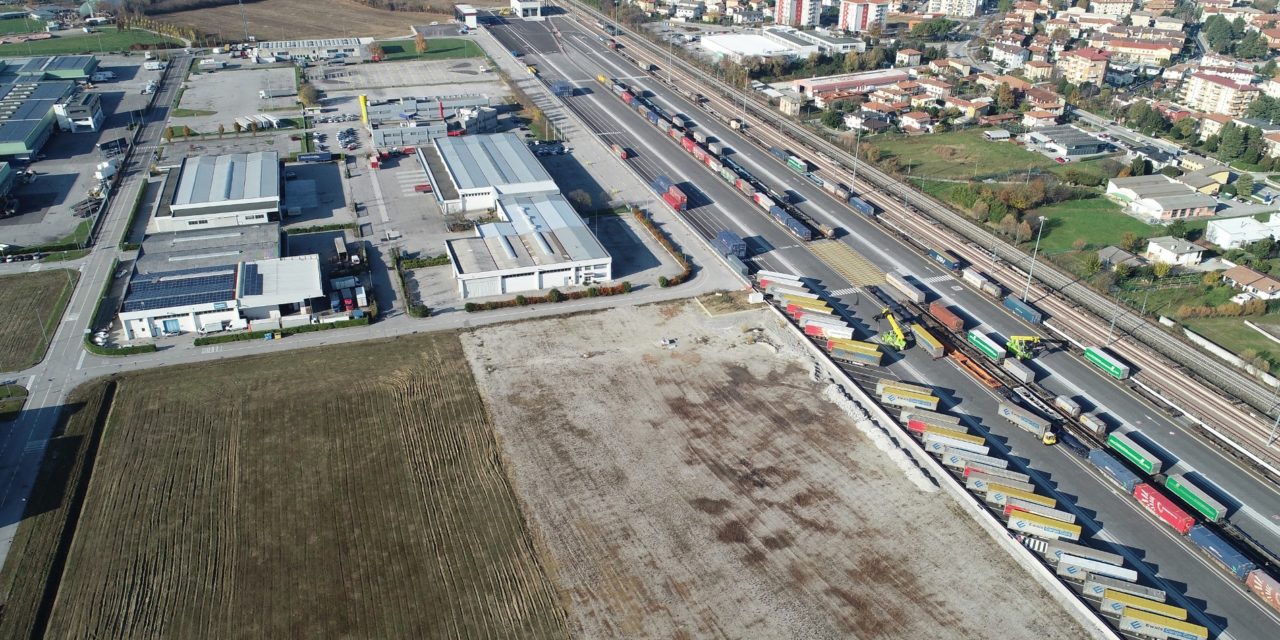
TRIESTE – Interporto Pordenone is moving faster towards a new management model for its rail terminal: the idea of a mixed-ownership company is taking shape, alongside a direct role in governance, once the contractual relationship with the current operator Hupac is closed and after the transitional period required for tender procedures.
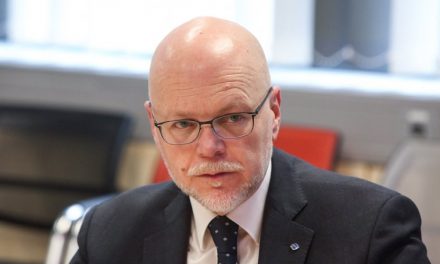
This emerges between the lines of the speech — at the conference “Pordenone, a watershed between Venice and Trieste” organised by Adriaports — by Sergio Bolzonello, CEO of Interporto Centro Ingrosso Pordenone, who explained that the goal is to move beyond a purely real-estate model. «We will not be only landlords, but an active player. Local entrepreneurs and, above all, the Pordenone-Udine Chamber of Commerce, the majority shareholder of Interporto Pordenone, have asked us to think in terms of a real industrial project for the interporto», he said. According to Bolzonello, the intermodality developed so far has not met the needs of local industry, and the main limitation has been the weak link between the terminal operator and the local productive fabric. The direction indicated is that of an open intermodal terminal, able to serve both large groups and small and medium-sized enterprises.
This shift fits into the broader 2025–2030 industrial plan presented by the interporto, which provides for total investments of €109 million. In July, the tender for the new rail terminal operator was completed; the current concession expires on 31 July 2025. The plan aims to strengthen Pordenone’s role as a logistics node in Italy’s North-East, with a catchment area looking not only to Friuli Venezia Giulia but also to Veneto and the port of Trieste, around 90 kilometres away.
Key measures include upgrading rail infrastructure and solving operational bottlenecks linked to primary shunting, currently constrained by trains having to pass through Pordenone station. The construction of the so-called “elementary station”, agreed with RFI and with the future terminal operator, will require around €30 million. This will be complemented by investments in new tracks, gantry cranes, a new yard track bundle and a rail-connected warehouse, to deliver an overall increase in intermodal capacity.
The project also includes an urban development component, with an expansion towards the Vallenoncello industrial area through a Programme Agreement with the Municipality and the Region, and the creation of a local Economic Development Consortium. The aim is to attract higher value-added activities, offer advanced services and create a tighter link between logistics and manufacturing.
The Friuli Venezia Giulia Region has already expressed support for the initiative. Councillor for Productive Activities Sergio Emidio Bini said the plan is consistent with “Agenda Fvg Manifattura 2030”, which identifies advanced logistics, exports and investment attraction as growth levers. For Pordenone, the challenge is not only to move goods through the area, but to encourage value-added processing locally, creating jobs and strengthening the local industrial base.