

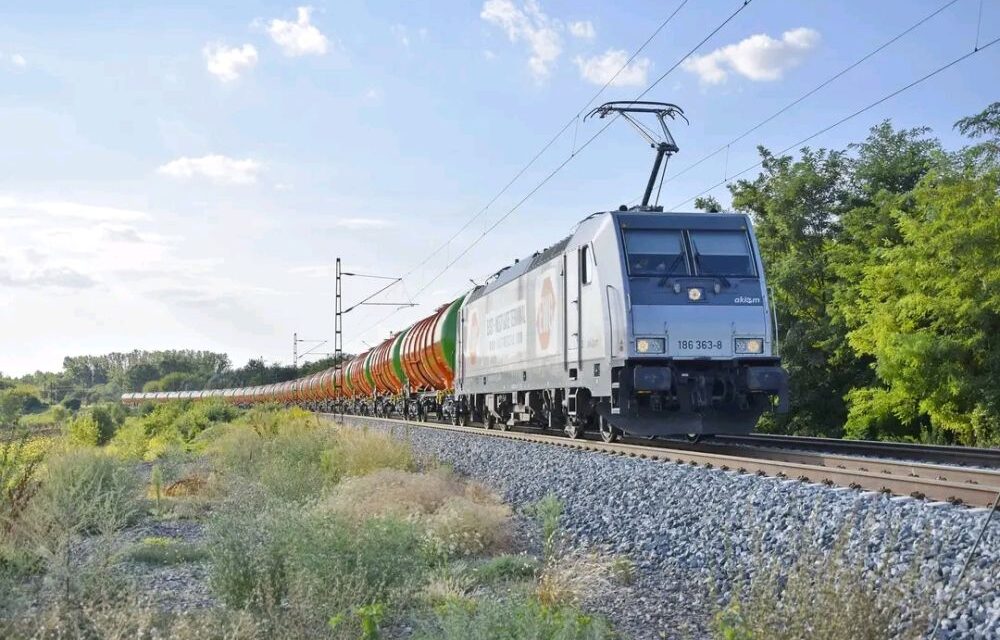
TRIESTE – Rail freight transport in Hungary closed 2025 with an 11% contraction in volumes, while operating costs increased by 11.8%, worsening the economic difficulties faced by operators in the sector.
The alarm was raised by HUNGRAIL, the Hungarian association of railway companies, which in its latest Rail Freight Cost Index highlights an increasingly critical situation for the sector. The decline, measured in tonne-kilometres, forms part of a negative trend already recorded in previous years and is attributed both to falling demand and to growing cost pressures.
According to the association, the increase in costs was mainly driven by higher energy prices, increased rail network access charges, rising operating and shunting costs and higher labour costs. Despite cost-cutting measures, corporate reorganisations and staff reductions, the sector has been unable to offset these increases. In the fourth quarter of 2025 alone, costs per gross tonne-kilometre were 5% higher than in the same period of the previous year.
On the demand side, the economic slowdown had a direct impact on rail traffic. HUNGRAIL reports a decline in Hungarian foreign trade and a contraction in production in the most logistics-intensive sectors, such as construction and heavy industry, resulting in fewer goods to be transported.
The situation is further worsened by operators’ inability to pass cost increases on to customers.
According to the association’s calculations, fully offsetting the rise in costs would have required an additional tariff increase of 9.8%. Strong competition from road haulage and weak demand, however, prevented rail operators from adjusting prices.
HUNGRAIL warns that the decline in orders and the deterioration in profitability are putting pressure not only on railway companies but on the entire logistics supply chain. For this reason, the association is calling for government intervention through the VÁGTA programme, which provides for the reintroduction of incentives for single wagonload traffic, a review of rail tolls, contributions for combined transport and measures to reactivate industrial sidings and last-mile rail connections.
The outlook for 2026 remains uncertain. The association believes that the persistent increase in energy prices and the tensions affecting international logistics may continue to compress demand and profitability in Hungarian rail freight transport.