


TRIESTE – The new Servola rail station (in the former Ferriera area) remains the central node for the development of the port of Trieste, but the timetable has slipped to 2030.
The president of the Eastern Adriatic Sea Port Authority, Marco Consalvo, identified the new station and the logistics connections system as the key project to support the port’s growth. The infrastructure, financed with around €180 million in public funds, is seen as crucial not only for rail enhancement but also for integration with national and European transport networks.
The process has, however, suffered a setback. After approval of the project and the launch of the tender procedure, the Port Authority – Consalvo recalled during a public meeting – chose to suspend the process in order to revise the timetable and costs. According to Consalvo, the technical timeframe would not have allowed the work to be completed within the deadlines initially envisaged. The new timeframe points to 2029, with 2030 as the more realistic target, taking into account at least two years of works and possible unforeseen events.
At the same time, an economic update of the project is under way, as it was drawn up around two years ago and is therefore no longer aligned with the current cost framework. The Authority is working with the Ministry of Economy and Finance to obtain final approval for the revision.
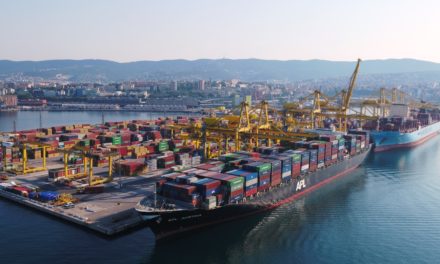
The Servola station is described as essential infrastructure to make the development of the new terminals sustainable, particularly Pier VIII and Pier VII. Without this rail node, the Authority president stressed, it becomes difficult to support the expansion of traffic and the increase in the port’s operating capacity.
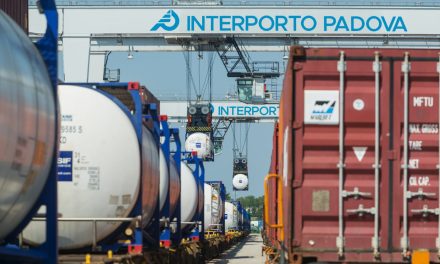
During the same public address, the president also provided a clear indication of the growth targets for the port rail system. Today the port handles around 12,000 trains a year, just under 10,000 of them in Trieste. With the projects currently under development, the goal is to reach 25,000 trains a year (the maximum limit for the capacity of the current infrastructure), strengthening the port’s role as an intermodal hub on the Baltic-Adriatic Corridor.
Consalvo also highlighted the dynamic growth of the port of Monfalcone in recent years.
g.t.