

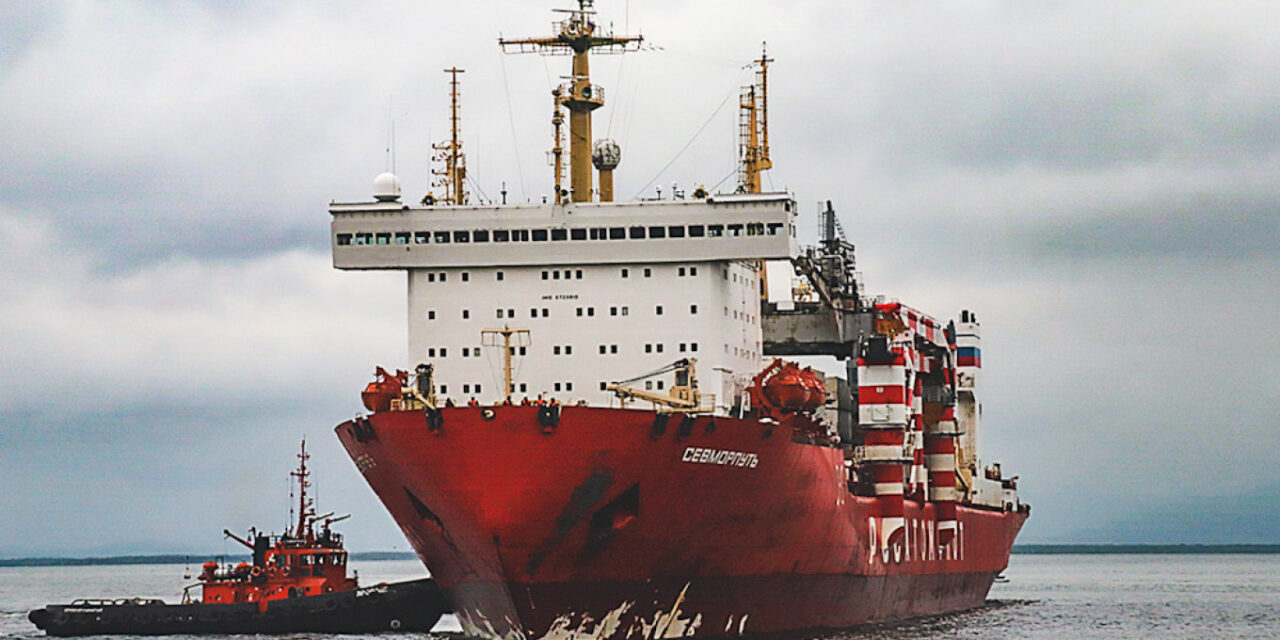
TRIESTE – The use of nuclear power in commercial shipping could represent one of the first concrete applications of Small Modular Reactors (SMRs) in Italy. This prospect was outlined by Environment and Energy Security Minister Gilberto Pichetto Fratin, while Fincantieri chief executive officer Pierroberto Folgiero confirmed the shipbuilding group’s interest in this technology.
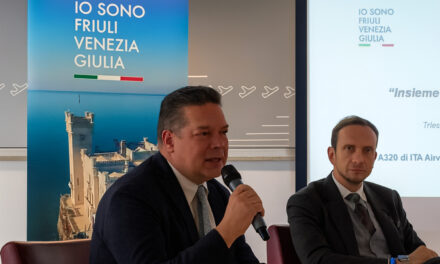
Speaking at the Green&Blue Festival in Milan, Pichetto Fratin said that «the first phase of the new nuclear reactors will certainly concern merchant ships». Among these, he also explicitly mentioned future units built by Fincantieri, explaining that «their objective is to have nuclear-powered merchant vessels, with 10-15-20 megawatt reactors». According to the Minister, the new national regulatory framework will also allow ships equipped with nuclear reactors on board to enter Italian ports. «The entry into port of ships with nuclear reactors will be regulated, but the new law will allow it. After all, nuclear submarines are already there», he said.
Pichetto’s remarks come just a few days after statements made by Pierroberto Folgiero to Corriere della Sera, in which Fincantieri’s chief executive described nuclear power as one of the possible technologies capable of transforming maritime transport in the coming decades. Folgiero stressed that a ship powered by a nuclear reactor could operate for «20-25 years without needing fuel», highlighting the potential of the technology both from an environmental standpoint and in terms of operational autonomy.
The issue has returned to the centre of international attention also as a result of growing pressure to decarbonise shipping. Increasingly stringent environmental regulations and the search for alternative fuels are pushing shipowners, shipyards and institutions to assess solutions that until now had been considered futuristic. For Fincantieri, which in recent years has launched research activities on modular reactors and their maritime applications, nuclear power could represent a new industrial frontier. The prospect mainly concerns large merchant ships operating on intercontinental routes, where the elimination of fuel bunkering could offer significant economic and operational advantages.
The possible spread of nuclear-powered merchant ships would inevitably have consequences for the port system as well. In addition to regulatory aspects, it would be necessary to define safety procedures, specific authorisations and internationally shared standards for receiving these units in commercial ports. At present, there are still no operational industrial programmes for nuclear merchant fleets in Italy.