

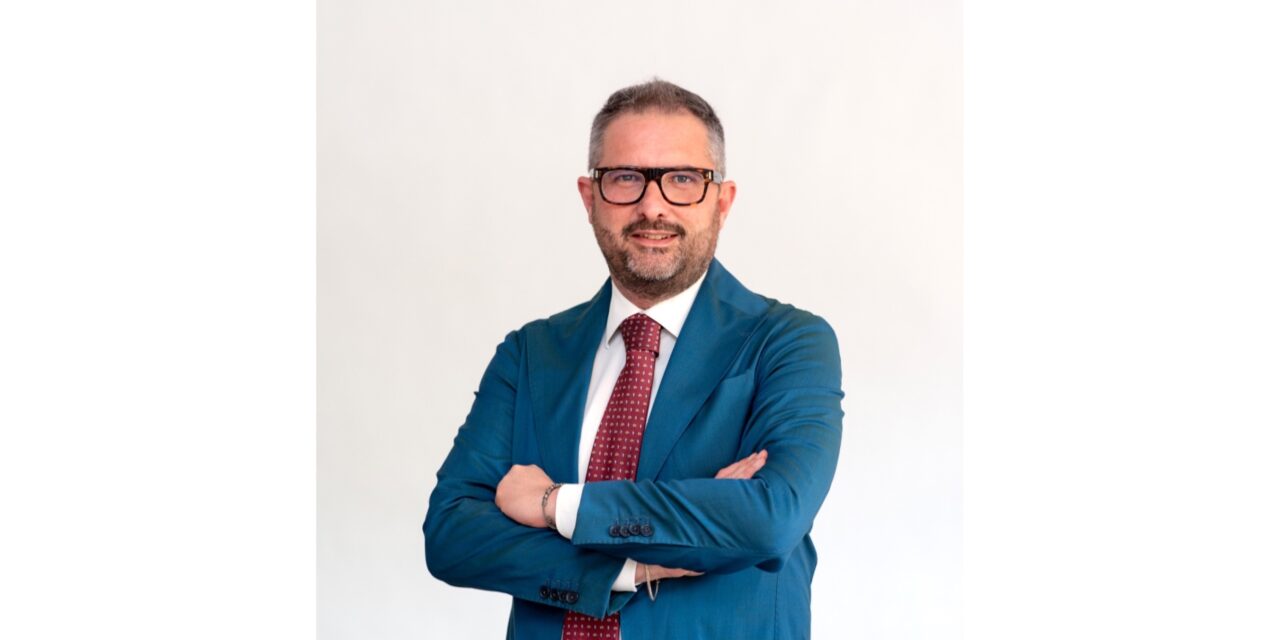
TRIESTE – Dialogue with the Lagoon Authority and the Harbour Master’s Office to regulate and expand access to the port, the Montesyndial project and a new Port Master Plan.
These are the priorities outlined yesterday by Matteo Gasparato, Commissioner of the North Adriatic Sea Port Authority, should he be appointed president of the same Authority. The manager spoke during a Senate hearing that is part of the appointment process, after the proposal to Parliament by Minister Salvini.
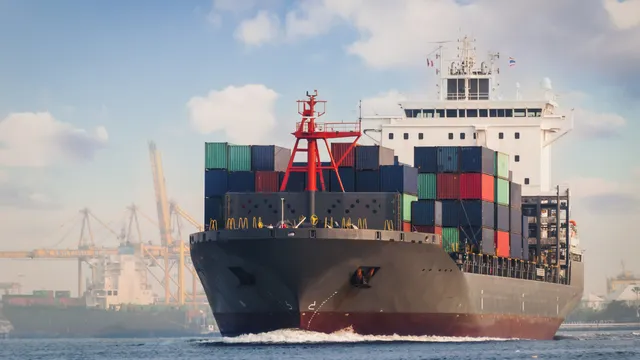
Gasparato first recalled the turning point of 2021 with the decree that stopped large cruise ships from entering San Marco and the Giudecca Canal, reducing cruise passengers from 2 million to 600,000 per year. “There is no intention of returning to past levels of overtourism – he clarified – because the Lagoon must be safeguarded.” The outlook is for a distributed model, with calls at Chioggia, Fusina and Porto Marghera, along with the future reuse of the maritime station once works on the Vittorio Emanuele III canal are completed.
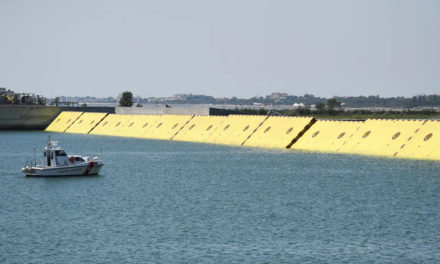
At the core of his program is the strengthening of coordination with the Lagoon Authority led by Roberto Rossetto. “The goal is to achieve a regulated port framework that allows commercial operators to anticipate with certainty the closure of the Mose barriers,” he explained, adding that he intends to discuss with the Harbour Master’s Office an extension of commercial vessel access hours, in order to reduce the operational issues seen in recent months.
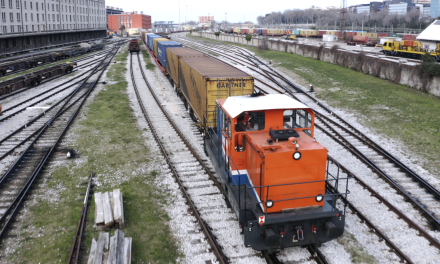
On the infrastructure front, Gasparato highlighted the redevelopment of the Montesyndial area at Porto Marghera, with the prospect of new berths and an intermodal logistics platform. The project aims to separate commercial flows from urban traffic in Mestre and Marghera. Hence the need for a new port master plan: “The last one for Venice dates back to 1908, for Marghera to 1965, and for Chioggia to 1981. It is essential to plan quickly with current regulations.”
The Commissioner also emphasized the importance of integrating Venice into the Northeast’s logistics and inland terminal network, with the hubs of Padua and Verona, the airport system and the North Adriatic ports.
On the union side, CGIL and FILT Venezia expressed concern over a vision too focused on logistics and not attentive enough to working conditions in the port sector. Secretaries Daniele Giordano and Alessio Bianchini called for a serious discussion on the priorities of the port and the city, pointing to critical issues in contracting, safety and transparency. They also demanded guarantees on the new president’s full independence from other roles and a clear commitment to managing relations with the Lagoon Authority and ensuring the proper functioning of the Mose system, deemed crucial to balancing port activities and environmental protection.
The unions are calling for stricter commitments on social clauses in tenders, on working conditions and on safety. “A serious dialogue with the unions is needed on the needs of the port and the city – they added – and greater clarity on the relationship with the Mose, because uncertainty over activation thresholds and canal maintenance poses a dangerous risk for port activity.”