

VENEZIA – CGIL Venice has weighed in on the number of MOSE barrier raisings and is calling for clarity on the criteria used to activate the gates, citing effects on the lagoon, the port and residents.
The reference is to statements by Roberto Rossetto, president of the Venice Lagoon Authority, who said there have been 27 raisings since the start of the year and that a protocol exists whereby, with a 110-centimetre forecast and an error margin, the system is closed already at 100 centimetres.
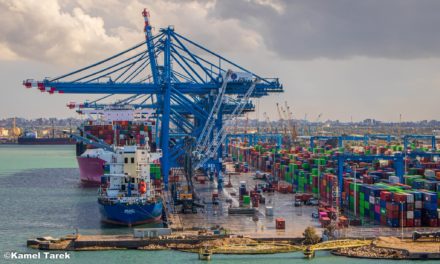
According to Daniele Giordano, CGIL Venice’s general secretary, an approach is becoming entrenched that makes lagoon closures “routine” at lower tide levels than in the past. This, the union argues, has consequences for daily life, public services, economic activities and environmental balance. CGIL is asking for detailed public disclosure of the impacts of this approach—first on the lagoon ecosystem, water circulation and sediment movements. It also highlights effects on the port economy and employment, particularly on operational windows and logistics organisation.
For the union, safety and essential services must be ensured, but they cannot become the only response. If tide levels of 90–95 centimetres already create difficulties for ambulances, firefighters and public water transport, then structural interventions in the city would be needed—such as emergency routes, permanent walkways and different traffic management. CGIL also raises the issue of tourism pressure, arguing that the “showcase city” dynamic risks turning every critical situation into a permanent emergency, with costs shifted onto the environment, labour and residents. The union is therefore calling for maximum transparency on decisions which, in its view, affect major public interests and the overall balance of the lagoon and Venice’s economic system.