

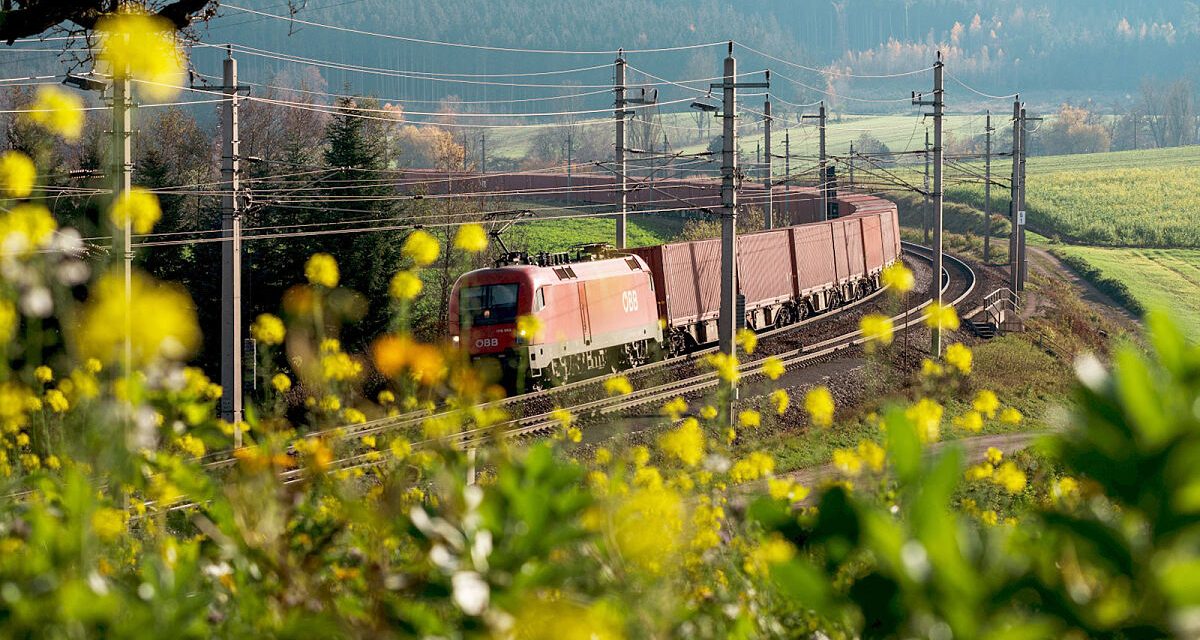
TRIESTE – Austrian rail operator ÖBB Rail Cargo Group is shifting its Verona–Wuppertal traffic to Duisburg and increasing weekly frequencies from six to ten to maintain capacity along the Italy–Germany corridor.
The decision is linked to modernisation works under way on Germany’s high-capacity rail corridors, which in 2026 reduce access to the Wuppertal terminal.
To ensure continuity and high-frequency intermodal services, the group has chosen Duisburg as the new German destination. The terminal offers modern facilities, higher storage capacity and handling capabilities. According to the company, the shift has already led to volume growth with existing customers and the acquisition of new operators.
From February, the Verona–Duisburg service moved from six to ten weekly round trips. The frequency increase is intended to strengthen planning reliability and expand available capacity. The connection runs on a fixed timetable with competitive transit times, entirely by rail. The service accepts 20 to 45-foot containers, 25 and 45-foot swap bodies, and cranable semi-trailers. Transport of dangerous goods is also available in compliance with RID regulations.
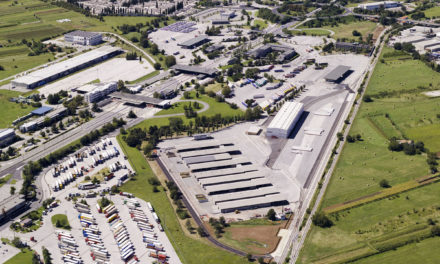
Verona Quadrante Europa is one of Italy’s main rail hubs and a key node on the north–south corridor between Central Europe and the Mediterranean, integrating rail, road and international flows. Port of Duisburg, meanwhile, is Europe’s largest inland port and one of the continent’s major logistics hubs. It has direct links to the European rail network and plays a central role in cargo distribution across Germany and Western Europe.
With this new set-up, RCG is seeking to consolidate the Italy–Germany axis at a time when German infrastructure works are forcing operational adjustments, but also opening room for a reorganisation of flows.