

VENICE – The president of the port of Venice has thrown a stone into the pond and, with cooperation with the freight villages of Padua and Verona in mind, is envisaging an «expanded» ZLS.
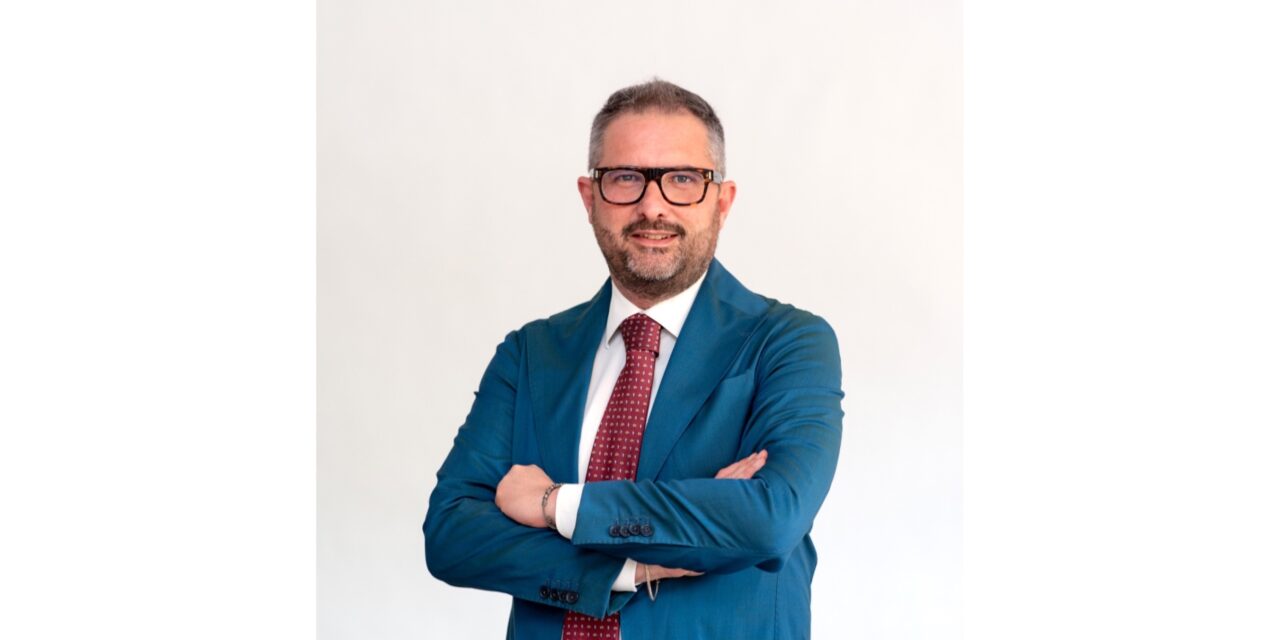
«The idea is to enlarge the area so that it reaches Verona and Padua. It would be very important because it would allow companies that are not directly involved in port activity, over short stretches, to set up from the surrounding provinces and build a network», explains Matteo Gasparato, recently appointed head of the North Adriatic Sea Port Authority.
It is still a long way from becoming reality, given that, in practice, it has never really been discussed. Yet precisely for that reason, and to enhance the Veneto economy, a solution could emerge that would act as a driver for an integrated system. The issue of Italian bureaucracy remains, certainly not a “streamlined” one: «This is a line of reasoning that concerns the national level. As is well known, legislative timescales are complex. Perhaps I may be able to influence some legislative decree, but it will take time», Gasparato continues. The key reference is the Genoa example: if there is room for the north-west, why not build a similar model on the other side of northern Italy as well? «After all, if Genoa’s ZLS extends into Piedmont, I think there is scope to reason along these lines».
On the sidelines of the presentation of the study on the impact of the port economy prepared by the Centro Studi Sintesi of Cgia Mestre, presented yesterday at Ca’ Corner, Gasparato also had the opportunity to reflect on the current historical moment: «As of today we are not yet feeling any shocks, but it is clear they will come, also depending on how long the conflict lasts». The reference is to rising energy prices, which has led the port authority to press the accelerator on cold ironing and quay electrification. On that point, the president of the port of Venice went on: «We expect there will be repercussions. We will probably have to reorganise operations with traffic loads and navigability across different channels. We are considering possible issues with the LNG terminal (Rovigo, editor’s note), which is why there is daily dialogue with the Venice port community». On this latter point, however, Gasparato was cautious: «It is still premature. For now these are hypotheses, discussions, but we do expect some fallout. The longer the conflict lasts, the more likely it is that liquid bulk cargoes and fuels will face some disruption».
What could instead become a positive factor for Venice’s port sector is the cruise business. Following the scrapping of the Clini-Passera decree, the global instability that has emerged in recent times could favour cruise calls to and from Venice, perhaps recovering that share of travellers who would have wanted to head to the Middle East but, for obvious reasons, will prefer other options, such as cruising. Lastly, Gasparato also reassured that, as regards works currently under way: «The EIA commission is not behind schedule (the reference is to dredging in the Vittorio Emanuele channel, the Malamocco-Marghera channel and so on). We expect an answer may arrive by the end of May».