

TRIESTE – The Italian logistics sector closed 2025 on a positive note, driven above all by road transport, but is looking to 2026 with deep concern following the outbreak of the crisis in the Strait of Hormuz, which is already causing a sharp increase in energy and transport costs globally.
This is what emerges from Confetra’s economic analysis of the logistics, transport and freight forwarding sector. According to the report, 2025 had shown the sector’s ability to absorb international economic difficulties, but the disruption of traffic in the Persian Gulf is now radically changing the scenario.
Around 20% of global oil flows used to pass through the Strait of Hormuz. Today, according to data reported by Confetra, volumes have collapsed by 94%, falling from 84 ships a day to just 7 vessels, while goods transported have plunged from 3.4 million tonnes to around 201,000. «The data collected for 2025 showed a sector capable of absorbing shocks», said Confetra president Carlo De Ruvo, «however, the current supply disruption, described by the International Energy Agency as the largest in history, is putting the system under severe strain».
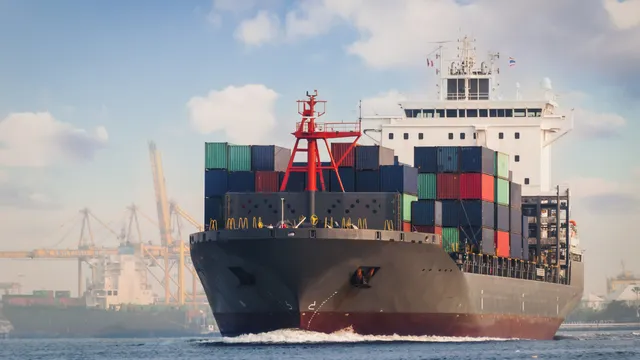
In 2025, maritime transport had recorded growth of 4.4%, but operators now have to deal with a 20% increase in container freight rates and a dry bulk index that has risen by more than 100% year on year.
The situation is particularly critical for air cargo. After closing 2025 with a 6.1% decline, the sector saw tariffs rise by 38% in March 2026 compared with February, mainly due to the need to avoid areas considered at risk. The doubling of jet fuel costs is also having an impact, as is the need to carry more fuel to cover longer routes, thereby reducing available cargo capacity.
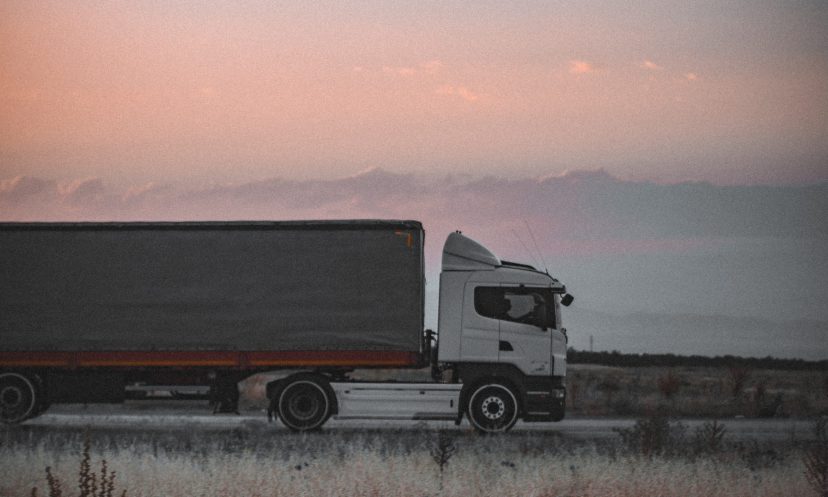
The balance for road transport in 2025 remains positive, with national traffic growing by 6.3%. However, road haulage is now also under pressure due to the increase in the cost of diesel, which in Italy has reached 2,045.6 euros per 1,000 litres, 29% more than a year ago. According to Confetra, considering that energy accounts for around 30% of companies’ operating costs, the increase in business costs for the sector has already reached 9% year on year.
The report also highlights delays in the adoption of new technologies. Only 6% of companies currently use artificial intelligence tools for route optimisation and cost management, while 51% of companies continue to invest in digital training for their staff. Confetra also warns that a prolonged crisis in the Middle East could have significant effects on the Italian economy, with GDP growth one percentage point lower than forecast and inflation more than 1.5 points higher.