

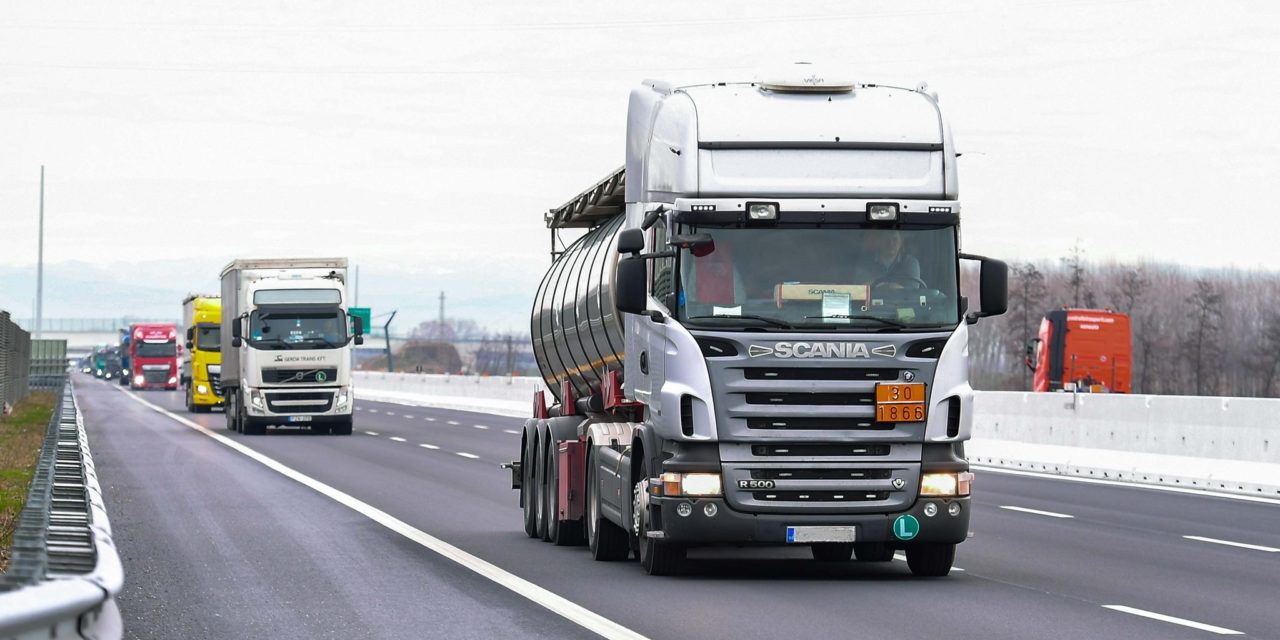
TRIESTE – The government is accelerating on the road haulage dossier and preparing direct talks with trade associations. On 22 May, Unatras and Confartigianato Trasporti will be received at Palazzo Chigi by Prime Minister Giorgia Meloni and Deputy Prime Minister and Transport Minister Matteo Salvini, while a possible economic support package worth 500 million euros is taking shape.
Salvini himself anticipated the move during the “24 Mattino” programme on Radio 24, explaining that by Friday the government aims to present «a credible regulatory and economic proposal for those who work with fuel». According to the minister, road haulage associations have estimated that around 500 million euros in resources are needed since the start of the international conflict that has driven energy costs sharply higher.
«That is the objective, then we will see whether we can get there in full», Salvini said, while also recalling the European constraints linked to the Stability Pact. The minister added that, even in the event of limits imposed by Brussels, the government would still intend to intervene: “If, absurdly, they told us no, stop the country because we do not allow you to spend the money you have found, it is clear that we will spend it anyway”.
Meanwhile, Confartigianato Trasporti described the 22 May summit as a crucial appointment to bring the priorities and critical issues of companies in the sector to the highest levels of the Executive. Unatras also spoke of a sign of attention to the “critical situation of Italian road haulage”, while confirming the meetings already scheduled across the country. Salvini also reiterated the strategic role of road freight transport for the Italian economy. «90% of goods travel by road. Stopping trucks means stopping the country, blocking activities and creating shortages of raw materials in shops», the minister said, adding that «road hauliers are right».
According to the deputy prime minister, the measures under consideration for the tax credit intended for trucks would not affect the funds earmarked for the cut in excise duties, as they are “two separate tracks”.