

TRIESTE – Italy and Qatar are strengthening coordination on transport and logistics in light of the crisis in the Gulf.
The Deputy Minister of Infrastructure and Transport, Edoardo Rixi, held a video call with Qatar’s Minister of Transport Sheikh Mohammed bin Abdullah Al Thani, to take stock of the effects of regional tensions on transport systems.
At the centre of the discussion was the resilience of global logistics chains, with particular attention to shipping and the continuity of air links, in a phase marked by critical issues along the main energy and trade routes. During the meeting, the priority of ensuring the safety of maritime workers and freedom of navigation in strategic straits was shared, including through the role of the International Maritime Organization.
Rixi reiterated Italy’s commitment to supporting the resilience of trade flows and strategic infrastructure, recalling the contribution of the national system in the port and civil aviation sectors. On the Qatari side, interest in strengthening bilateral cooperation was confirmed. The two parties agreed to maintain constant coordination on the main dossiers, in a context that remains uncertain for international shipping and for the stability of logistics chains.
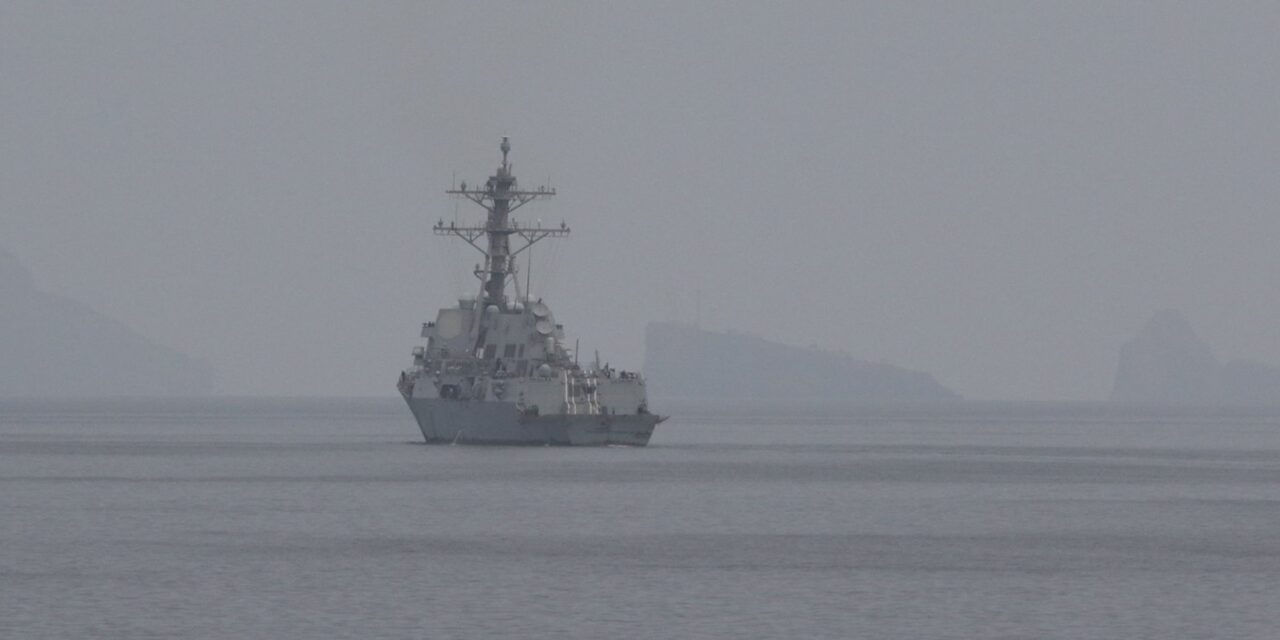
The Strait of Hormuz remains open, but under strong military and political pressure, with reduced traffic and renewed tensions between the United States and Iran. In the past few hours, international sources have reported a tightening of U.S. control over the area. Iranian vessels are said to have been turned back at the exit of the strait, in a context that effectively limits Tehran’s operations at the world’s main energy chokepoint. The measure is part of a broader containment strategy, with direct impacts on oil flows.
At operational level, traffic continues but with volumes below normal and under more complex conditions. Before the crisis, around 130 transits per day were recorded; today the number is significantly lower. Ships crossing the strait often follow coastal routes under Iranian influence, a sign of more marked control of the area.
Some episodes confirm the increase in risk perceived by operators: several tankers have reversed course, avoiding the passage or postponing operations. The security factor, together with political pressure and possible sanctions, is directly affecting the choices of shipowners and energy operators.
In parallel, Iran is reportedly still considering the introduction of tolls for ships in transit. The picture also remains unstable on the diplomatic front. Contacts are under way between the main powers, with China’s involvement, but at present no concrete signs of de-escalation are emerging.