

TRIESTE – In Trieste the Innoway project is continuing with preparatory activities, but the USB union is raising doubts over the actual level of production and the overall involvement of workers.
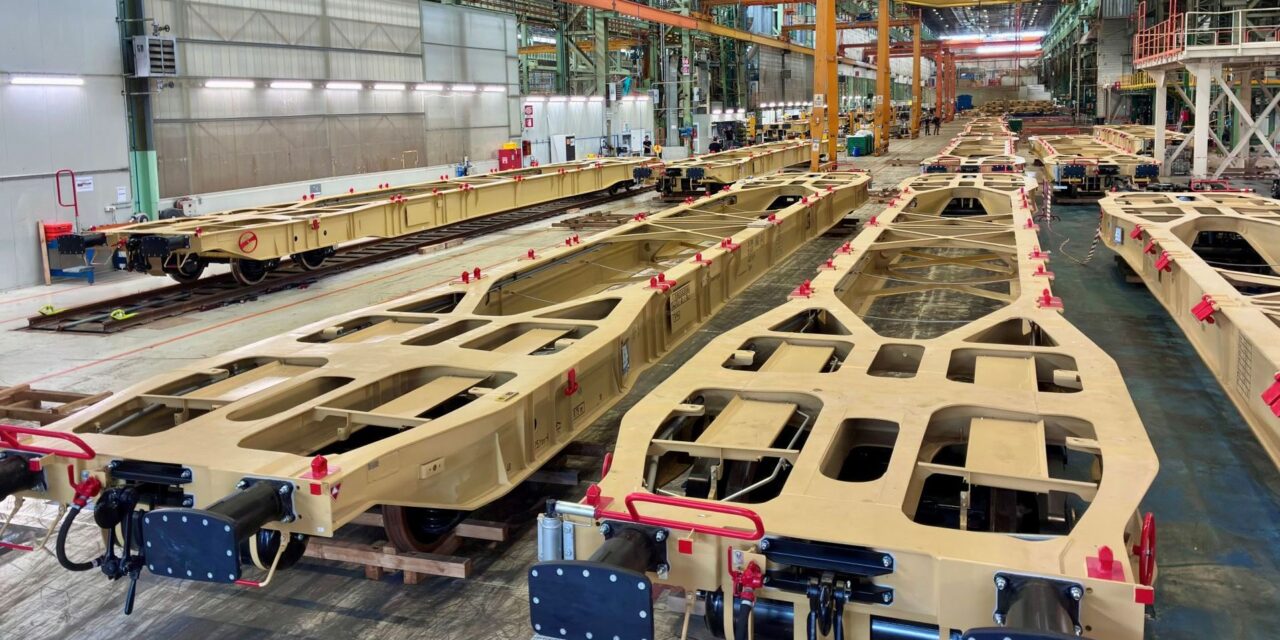
A new monitoring meeting on the reindustrialisation plan for the former Wärtsilä site in Bagnoli della Rosandra, Trieste, was held today at the Ministry of Enterprises and Made in Italy. The company confirmed that it has filed the application for the development contract with Invitalia, defined a supplier chain made up largely of Italian companies and launched the first operational phases linked to the qualification of materials and processes.
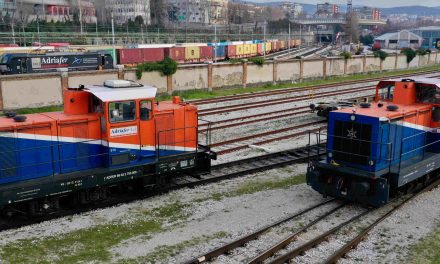
Updates were also provided on production plants, the rail connection and the implementation of the management system. On the workforce side, Innoway indicated around 95 employees currently in service and the launch of the first training activities, with one group involved in welding operations. Some voluntary departures were also reported. On safety, the company said the main organisational activities had been completed.
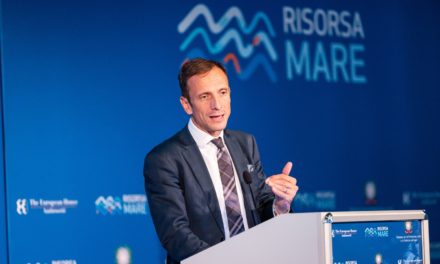
The Friuli Venezia Giulia Region gave a positive assessment. Councillors Alessia Rosolen and Sergio Emidio Bini highlighted the progress made compared with the critical issues that had emerged in recent months, particularly on management structure, supplier diversification and development of the production system. The decision to prioritise a local supply chain was also appreciated. Confindustria Alto Adriatico shared this approach.
On the union side, USB acknowledged the progress but raised the central issue of actual production. According to the union, the project remains focused on supplies, certifications and bureaucratic aspects, without a clear picture of effective production levels and their consistency with the initial plan. The company indicated a target of around 60 platforms, but reported possible difficulties in meeting the end-2026 deadline for the wagon welding line.
USB also called for greater involvement of all workers, including those on wage support schemes, stressing that the voluntary departures recorded are a sign of uncertainty. On training too, the need was highlighted to extend programmes to all staff, turning them into a concrete tool for reskilling.
On the institutional front, finally, the Region reiterated the importance of accelerating training programmes to support the reabsorption of workers and recalled the resources allocated, around 15 million euros, for infrastructure works in the area, including rail infrastructure. It also confirmed its willingness to assess participation in the development contract, against an overall investment estimated at around 70 million euros.