

TRIESTE – The shareholders’ meeting of Hamburger Hafen und Logistik AG has approved the transfer of class A shares held by minority shareholders to the majority shareholder, Port of Hamburg Beteiligungsgesellschaft SE, controlled by the City of Hamburg. The decision paves the way for the delisting of the German port logistics group through a squeeze-out procedure.
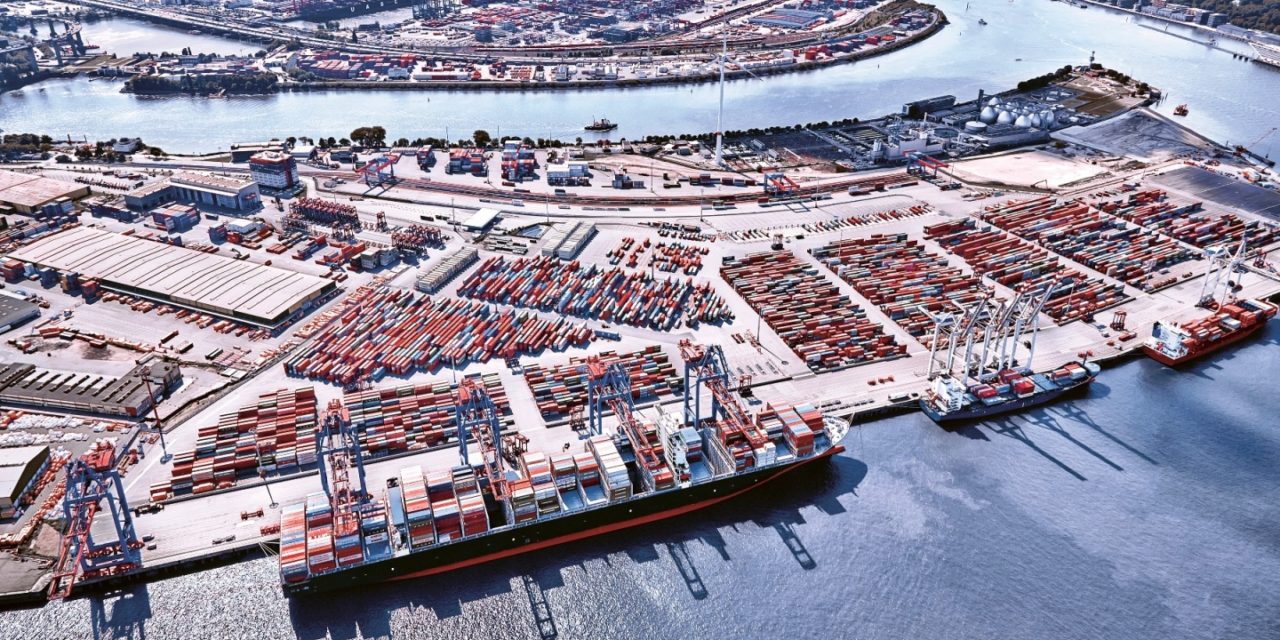
With this step, HHLA intends to strengthen public control over the company (50.1%), which manages Germany’s main port and numerous logistics and intermodal activities in Europe, including holdings in several terminals in Central and Eastern Europe, among them the logistics platform at the port of Trieste through HHLA PLT Italy. The minority stake remains in the hands of shipping giant MSC and, in this phase leading to the delisting, there has been no shortage of controversy from excluded small shareholders, who have warned, as they had already done in the past, of what they see as the excessive presence and influence of the Swiss group.
During the meeting, chief executive officer Jeroen Eijsink presented the 2025 results, highlighting growth despite the complex economic environment and persistent geopolitical uncertainty. Group revenues rose by 9.9% to €1.756 billion, while EBIT increased by 19.5% to €160.5 million. Group net profit, however, stood at €9.8 million, penalised by extraordinary tax effects that had a significant impact on the final result.
Against this backdrop, the shareholders’ meeting approved the proposal by the executive board and supervisory board to not distribute dividends for the 2025 financial year. According to Eijsink, the decision will allow financial resources to be preserved to support the investment plan aimed at modernising the group’s infrastructure and facilities. The objective is to seize new growth opportunities, increase operational efficiency and reliability and strengthen HHLA’s long-term competitiveness.
A new phase is therefore opening for the German port group, characterised by an even more concentrated ownership structure and a strong focus on the infrastructure and technology investments needed to address the challenges of the international logistics market.