

TRIESTE – Rete Ferroviaria Italiana will have approximately 4 billion euros in additional funding for railway investments, which will also be allocated to strategic infrastructure projects in Friuli-Venezia Giulia, Veneto, and the areas connected to the Port of Ravenna.
The 2025 update to the 2022–2026 MIT-RFI Program Agreement took effect in July 2026 following approval by CIPESS and the subsequent interministerial decree. The new funds will be used to ensure the continuity of strategic construction projects, cover cost overruns for ongoing works, support initiatives related to the National Recovery and Resilience Plan (PNRR), and finance programs mandated by national legislation.
The resources are divided into two chapters. Approximately 1.7 billion consists of earmarked funds, allocated for specific purposes such as the Flood Decree, projects related to the A22 concessionaire, adjustments for rising material costs, and funding for local governments. Another 2.2 billion comes from the 2025 Budget Law: of this amount, 1.1 billion funds the continuation of programs and construction projects already underway, while another 1.1 billion covers additional costs and remaining funding needs for railway projects supported by the PNRR.
A portion of the new funding will also support strategic rail infrastructure in the Northeast and in the Ravenna port area, although there is no predetermined regional allocation of the funds.
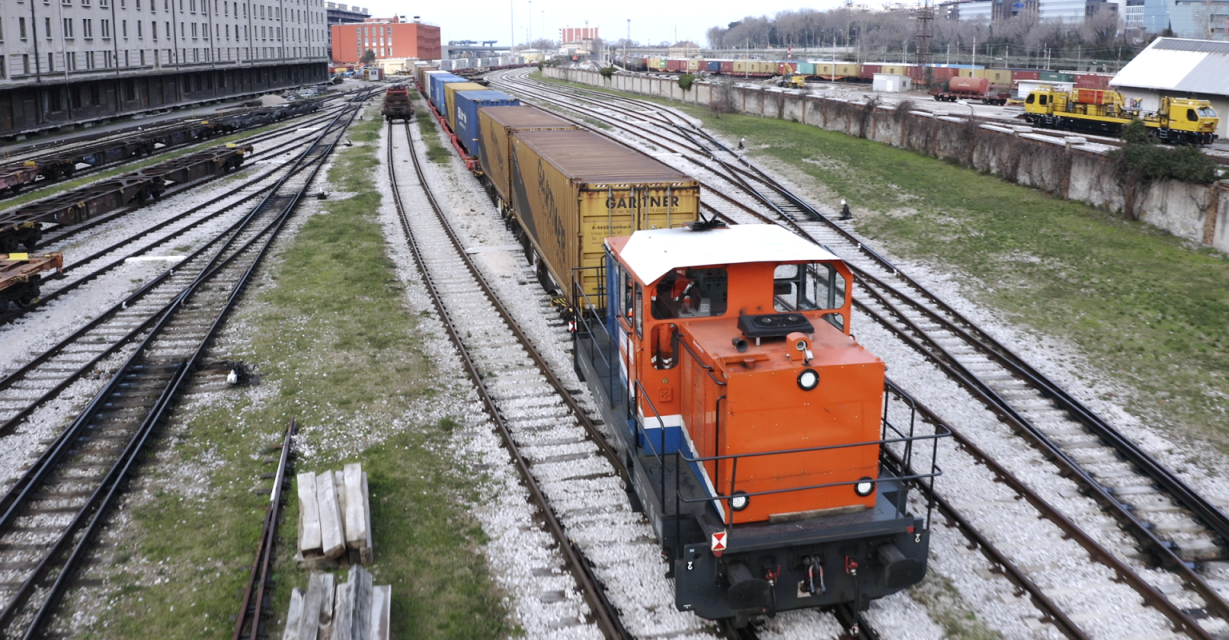
In Veneto, work continues on the Verona-Vicenza-Padua High-Speed/High-Capacity rail line. The spending limit for the second functional lot of the Vicenza rail crossing has been confirmed, while investments in the electrification of the regional rail network also continue with the second phase of the project on the Vittorio Veneto–Ponte nelle Alpi–Belluno section. In Friuli-Venezia Giulia, investments are focused on strengthening rail logistics and connections to the Port of Trieste. Planned projects include upgrading the last-mile rail link serving the port, modernizing the Udine rail hub, and improvements to the Villa Opicina station and the Aurisina junction, funded through RFI’s regular budget and the reallocation of resources from the National Recovery and Resilience Plan (PNRR).
For Ravenna, a portion of the funds comes from the Flood Decree and will be allocated to restoring and strengthening the resilience of the railway infrastructure in the Romagna region, including the connections at the Ravenna railway hub. The port’s development strategy has also been confirmed, which involves upgrading the rail feeder lines and the logistics hub, bringing the infrastructure up to European standards for freight traffic, including extending the tracks to 750 meters.
The update to the Program Agreement does not allocate specific funding to Friuli-Venezia Giulia, Veneto, or Ravenna. The projects will be funded through the various channels provided for in the national agreement, with the aim of ensuring continuity in strategic investments and strengthening rail connections with some of the country’s major logistics hubs.