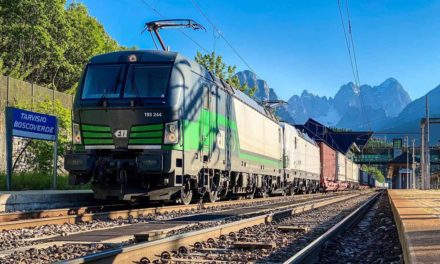


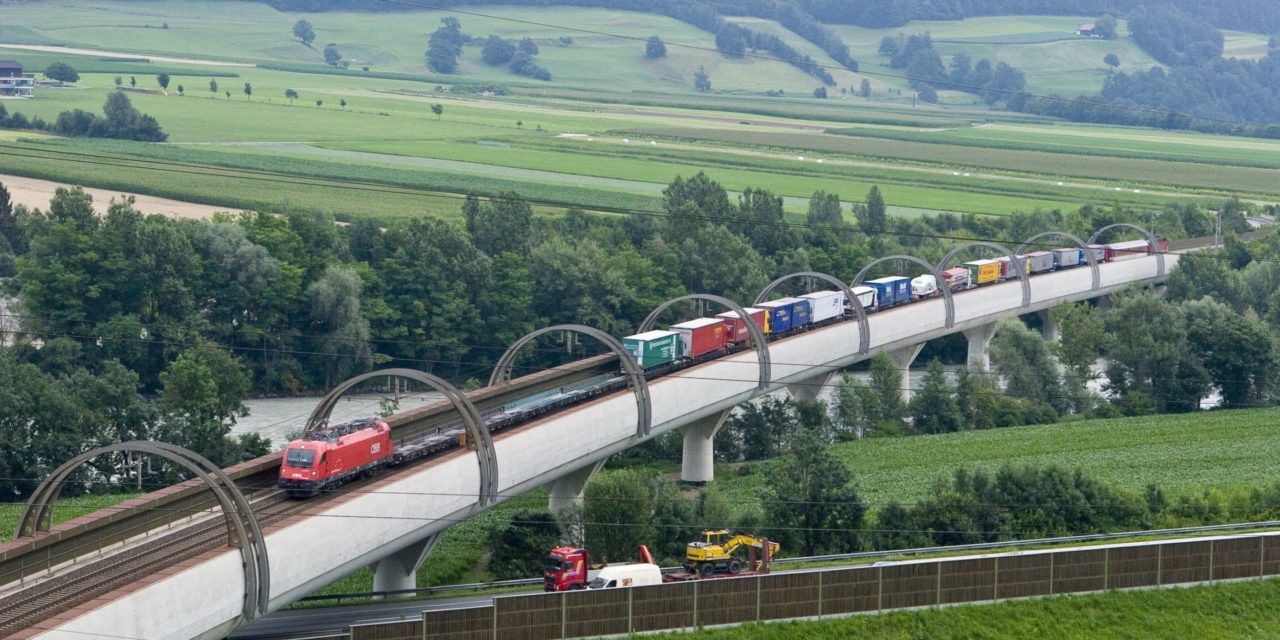
TRIESTE – The suspension of rail service on the Brenner route between July 18 and August 1, 2026, represents one of the main summer obstacles for European freight transport. The simultaneous closure of infrastructure on both the Italian and Austrian sides will prevent freight trains from passing through the most important Alpine rail pass, requiring a complete rescheduling of international logistics flows.
The consequences will particularly affect combined transport and rail operators, who will be forced to reroute trains along longer alternative routes, leading to an inevitable increase in travel times, operating costs, and pressure on other transalpine routes. The situation is further complicated by the traffic restrictions on heavy vehicles already in effect along the Brenner corridor, which also limit the ability to quickly transfer cargo from rail to road.
The closure is due to renovation work on the Italian railway infrastructure at the Brenner station and on the southern ramp, in conjunction with the extraordinary maintenance program of the Austrian Federal Railways (ÖBB), which will use the same time window to carry out work on its own network. Starting July 18, the first phase of construction will begin on the Austrian side between Gries am Brenner and the Brenner Pass, resulting in disruptions to regional rail service. At the same time, the entire transalpine route will be closed to long-distance rail service, including freight trains. From July 23 through August 1, construction will also affect the section between Innsbruck and the Brenner Pass, further expanding the restrictions.
Passenger service between Innsbruck and Bolzano will also be partially suspended from July 17 to August 1, but the most significant impact will be on international freight traffic, which accounts for a major share of trade between Italy and the markets of Central and Northern Europe along the Brenner Pass.