


TRIESTE – The cut in fuel excise duties has been extended until 1 May, but its real impact remains limited while pressure on transport and maritime services continues to grow.
The Council of Ministers has approved a new decree that extends the 20-cent-per-litre discount (24.4 cents including VAT), a measure introduced in mid-March and initially due to expire on 7 April. The total cost of the measure is estimated at around €500 million, partly covered by higher VAT revenues and partly by resources linked to the ETS emissions trading system.
The measure also includes the extension of the 20% tax credit on diesel for road haulage and fishing, now broadened to include the agricultural sector as well, together with support measures for exporting companies hit by the crisis linked to the conflict in Iran. Economy Minister Giancarlo Giorgetti described the extension as a temporary measure tied to developments in the geopolitical scenario. Prime Minister Giorgia Meloni took the same line, calling it a necessary intervention at a time of strong instability in the energy markets.
Consumer associations, however, are challenging the effectiveness of the measure. According to Codacons, the discount has in practice been wiped out by pump price increases, while the National Consumers Union says the cut is insufficient, especially for diesel. Criticism has also come from the political sphere. Senator Antonio Misiani described the decree as a stopgap measure, while CGIL called it limited compared with the impact of rising energy costs.
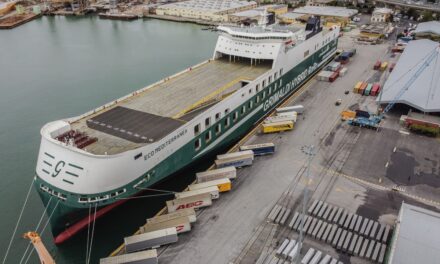
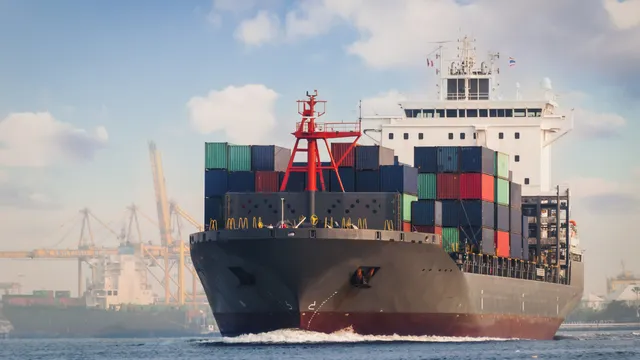
On the maritime transport side, however, the situation remains critical. Assarmatori and Confitarma report a direct impact from rising fuel prices on scheduled services, particularly on links with the islands.
The two associations speak of a concrete risk to territorial continuity, with possible reductions in capacity or service cuts in the absence of targeted measures. Hence the request for the government to introduce an extraordinary tax credit for shipping companies, linked to the increase in fuel costs in the spring months compared with February levels.