

ChatGPT ha detto:
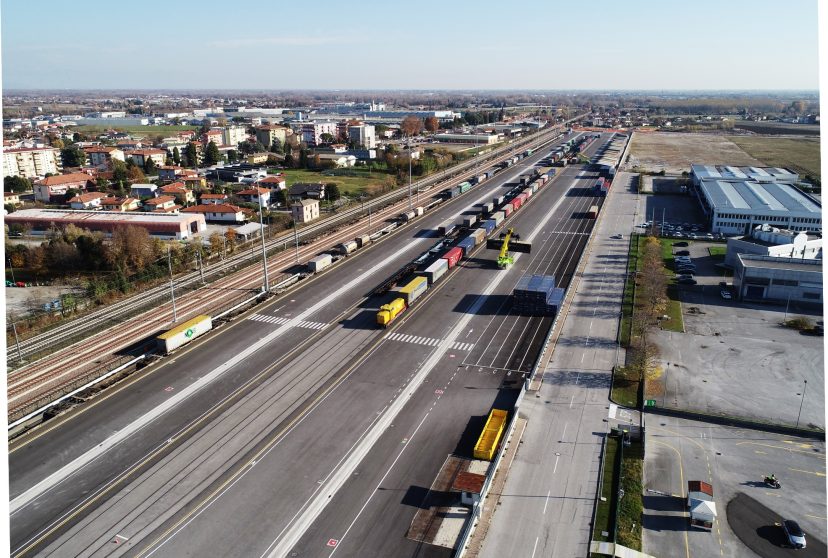
TRIESTE – The public tender issued by Interporto Centro Ingrosso Pordenone for the management of its rail terminal has gone unanswered.
Not even Hupac, the current operator, submitted a bid, and when contacted for comment, the company declined to make a statement.
In the meantime, the Swiss group will continue operations under a “technical extension” for one year, following the activation of a clause by Interporto Pordenone’s management. Although the contract officially ends on July 31, the terminal in Friuli Venezia Giulia has already been experiencing a significant decline in traffic for some time.
The matter is now in the hands of the Board of Directors, which will decide in the coming months how to proceed. One option could be assigning the role to an in-house company or seeking out a local operator. In the latter case, however, the idea of a transitional support mechanism is being considered, as it’s unlikely that a local railway company could generate traffic in the same way as Hupac, a major international player.
What’s certain for now is the need for dialogue with the Swiss group, which could begin in the coming weeks.
There had been speculation in recent months about potential interest from MSC, possibly through one of its logistics or transport subsidiaries. However, the group’s absence from the tender effectively quashed those rumors.
The tender envisioned a 3-year contract, extendable for another 3 years through annual renewals.
The base value of the contract included a fixed fee (for infrastructure management) and a variable fee based on the volume of ITUs (Intermodal Transport Units) actually moved by rail. The estimated value, excluding VAT, was €2,946,000 if all renewals were exercised.
Interporto Pordenone aims to award a contract that includes management of the facility and related activities, development of traffic, and implementation of handling and storage services for goods and products. The new operator will also be responsible for ordinary and extraordinary maintenance of the rail infrastructure.
In addition, the selected company will be expected to develop marketing and public relations strategies to give the terminal a defined market position and visibility, aligned with EU, national and regional priorities for trade flows across Europe—especially toward the East—as well as links with seaports, in accordance with international intermodal transport policies.
The ultimate goal of the contract is the promotion and development of intermodal traffic at the Interporto, with service pricing aligned with similar logistics facilities in Northern Italy.