

TRIESTE – In Italy, logistics absorbs on average almost one tenth of company turnover, with transport representing the main source of cost and inefficiency.
More than twenty years after Confetra’s last official survey, LIUC – Cattaneo University has presented the Logistics Cost Monitor (LCM), a tool developed to measure the impact of logistics costs on Italian companies. The study shows that transport, warehousing and administrative activities absorb on average 9.9% of company turnover, with values falling to 9.5% in manufacturing and rising to 10.5% in retail and wholesale trade.
In practical terms, a company with €1 million in revenues spends on average around €100,000 on logistics. Of this, €45,000 is spent on transport, confirming the central role of this component in overall supply chain costs.
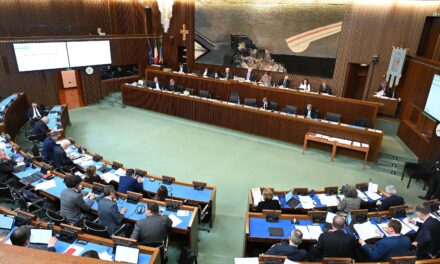
The research was presented during the conference organised by LIUC’s Centre for Logistics and Supply Chain (i-LOG) in collaboration with Columbus Logistics. The event was attended by logistics managers from companies such as Ikea, Pirelli, Ferrero, Lucart, Vaillant and Bticino.
The survey, which involved more than 400 companies, shows that almost half of logistics costs are linked to transport, which accounts for 46% of the total across all the main industrial sectors, from mechanical engineering to pharmaceuticals, from automotive to agri-food. A further 40% of costs is attributable to warehouses, taking into account space, personnel and financial charges arising from inventory management.
The study also highlights a marked difference between small and large companies. In SMEs, the incidence of logistics costs exceeds 11% of turnover, weighed down by fixed costs and shipment volumes that often do not allow the use of full-load transport, which is more efficient from an economic standpoint. Large companies, by contrast, are able to limit the incidence to 9.4%, thanks to economies of scale and a more structured management of outsourced logistics services.
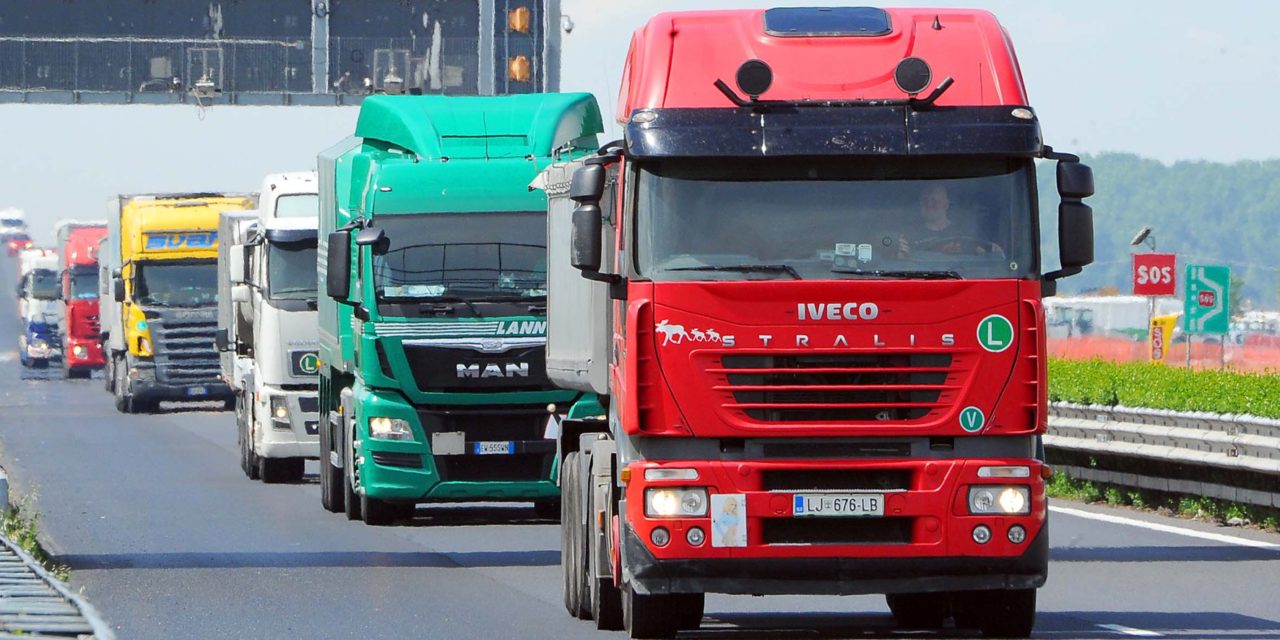
The main levers identified to reduce the impact of costs include load factor optimisation, revision of transport contracts, digitalisation of administrative processes, reorganisation of logistics networks and staff training. A particularly significant issue concerns the growing difficulty of containing road haulage rates due to the persistent shortage of drivers.
The outlook for the future remains cautious. In fact, 82% of the companies involved in the research expect a further increase in logistics costs, driven by rising fuel and labour costs and by the investments needed to adapt warehouses and infrastructure to new safety and sustainability standards.