

TRIESTE – The Port of Trieste is trying to speed up the Servola Rail Station project: during a public event with Italy’s Minister of Infrastructure and Transport, Matteo Salvini, Port Authority President Marco Consalvo said yesterday he expects news as early as the next few days.
The project, already financed through the Complementary Fund to the PNRR, is still waiting to go out to tender, after the Port Authority itself suspended the first call. Despite the work done on design and permitting, it will be impossible to meet the original deadlines for delivering the works. Operators and institutions consider the project essential for the port’s future, regardless of the Pier VIII plan.
However, no extension or official commitment has yet come from the Ministry. Without an extension, the funding could be clawed back.
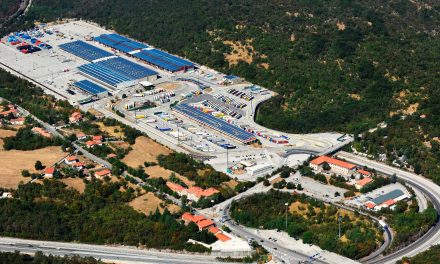
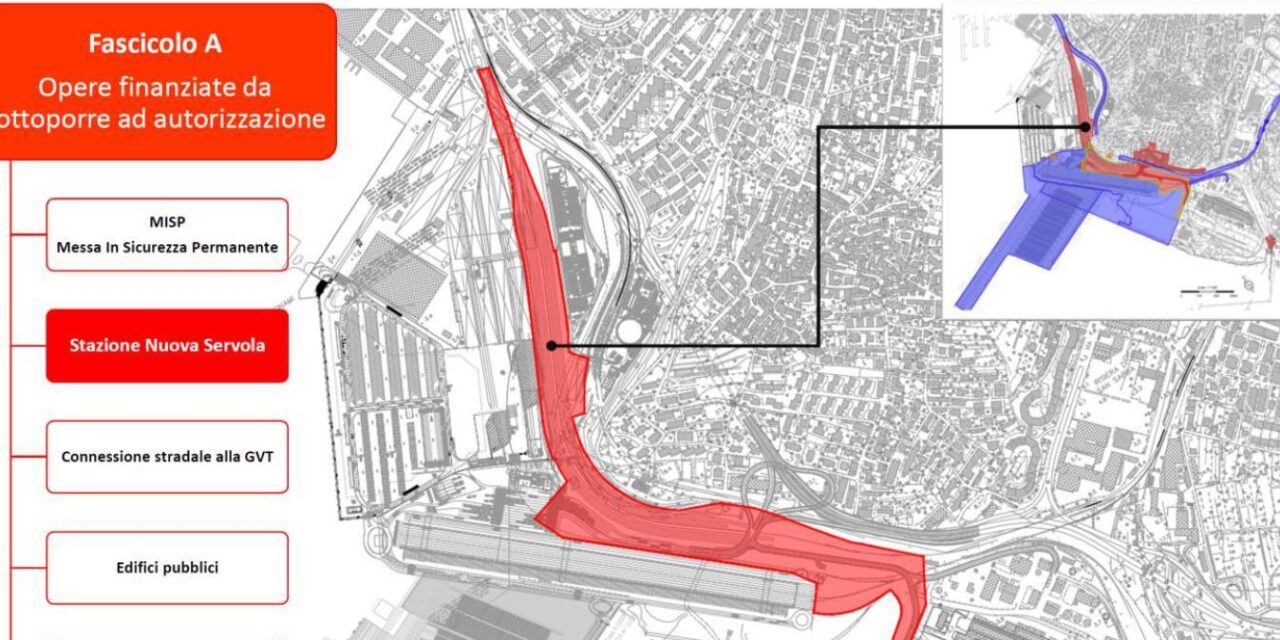
The talks launched in recent weeks are specifically aimed at shortening the time needed to start construction works for the Servola rail facility, next to the area once occupied by the former steelworks.
The issue has returned to the centre of institutional debate in recent hours, with the stated goal of unlocking a long-stalled situation and finally delivering an infrastructure regarded as strategic for the area’s logistics system. Servola is expected to play a key role in managing rail flows serving the port areas, while also helping to improve traffic organization thanks to the related interchange project connecting with Trieste’s main road network (Grande Viabilità Triestina).
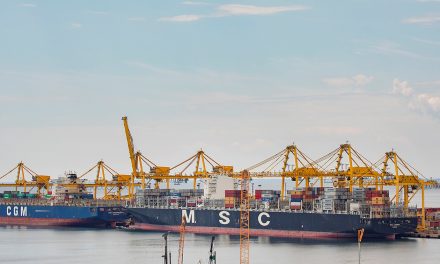
Reiterating the project’s importance, Marco Consalvo, President of the Eastern Adriatic Sea Port System Authority, stressed that without the Servola station there can be no real prospects for growth for the port—neither in terms of rail development nor overall accessibility. This clear stance directly links the evolution of port traffic to the availability of adequate rail infrastructure.
According to what has emerged, attention is now focused on coordination among the various stakeholders and on clearing the administrative and financial steps needed to get the project started. The aim is to avoid further delays and provide quick answers to a need repeatedly raised by industry operators.