

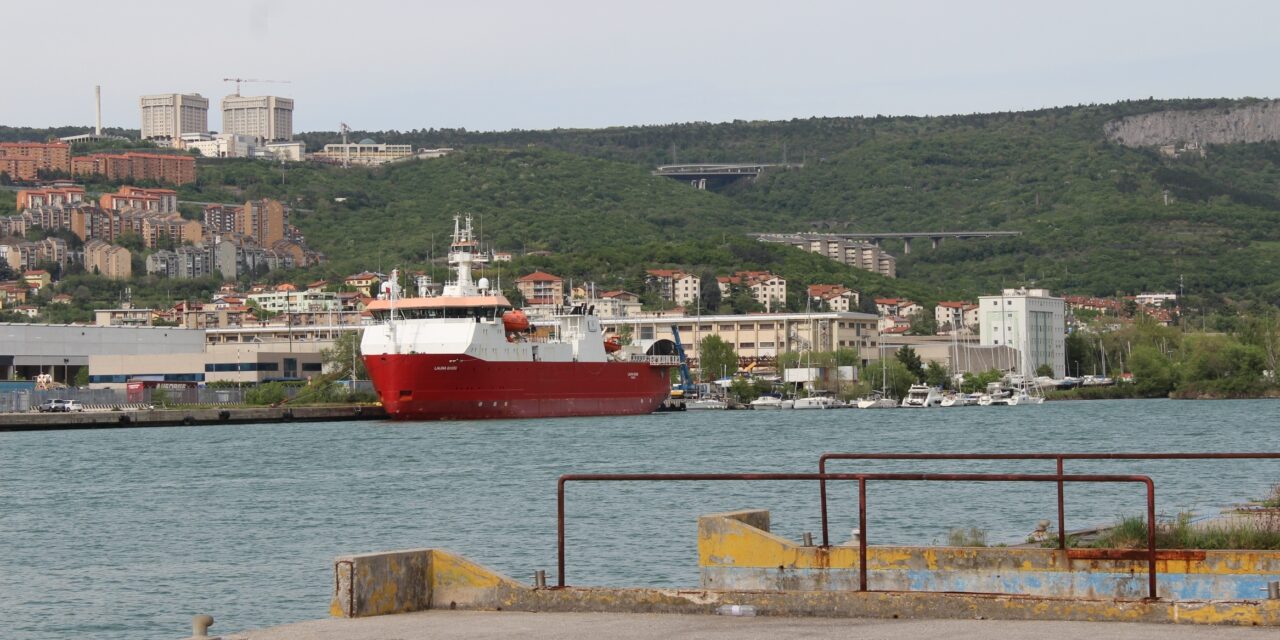
TRIESTE – The Regional Administrative Court (TAR) of Friuli Venezia Giulia has upheld the award to Argo S.r.l. of the ship management service contract for the research vessel “Laura Bassi”, tendered by the National Institute of Oceanography and Experimental Geophysics (OGS). The contract has an estimated total value of more than €62 million. The dispute stemmed from an appeal brought by PB Tankers S.p.A., lead company of the grouping originally ranked first, against the exclusion order issued by OGS over irregularities relating to the DURC social security compliance certificate of the other grouping member and the lead company’s own failure to disclose outstanding tax liabilities. Pending the proceedings, the administration had already identified Argo S.r.l. (second in the ranking) as the new successful bidder. The administrative court – explains law firm Studio Legale Sticchi Damiani, which represented OGS – fully rejected the appeal and the multiple additional grounds filed by PB Tankers, ordering the latter to reimburse legal costs.
On the merits, the panel applied the principle of the “most straightforward ground”, holding that the claimant’s clear breach of fiscal disclosure obligations was decisive and absorbed the other issues. “The ruling strongly reaffirmed the principles of good faith, transparency and trust laid down by the new Public Contracts Code (Legislative Decree 36/2023): the economic operator cannot make unilateral assessments by omitting to declare significant debt exposure, because such reticence irreparably undermines professional reliability and obstructs proper administrative action,” the Sticchi Damiani firm further explained. Of particular strategic importance is the passage in which the ruling dwells on the preliminary objection raised by the defence of Argo S.r.l. OGS’s lawyers had in fact argued that the appeal was inadmissible from the outset due to the “failure to notify the necessary counter-interested party (Argo), clearly identifiable from the ranking, which had already been finalised”.
Although the TAR decided the dispute on the merits for reasons of procedural economy, it expressly acknowledged that the objection raised by the defence was “rich in points for reflection”, thereby endorsing the solidity of the procedural approach.