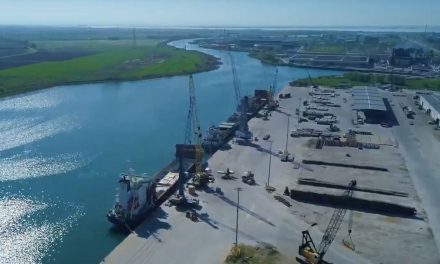


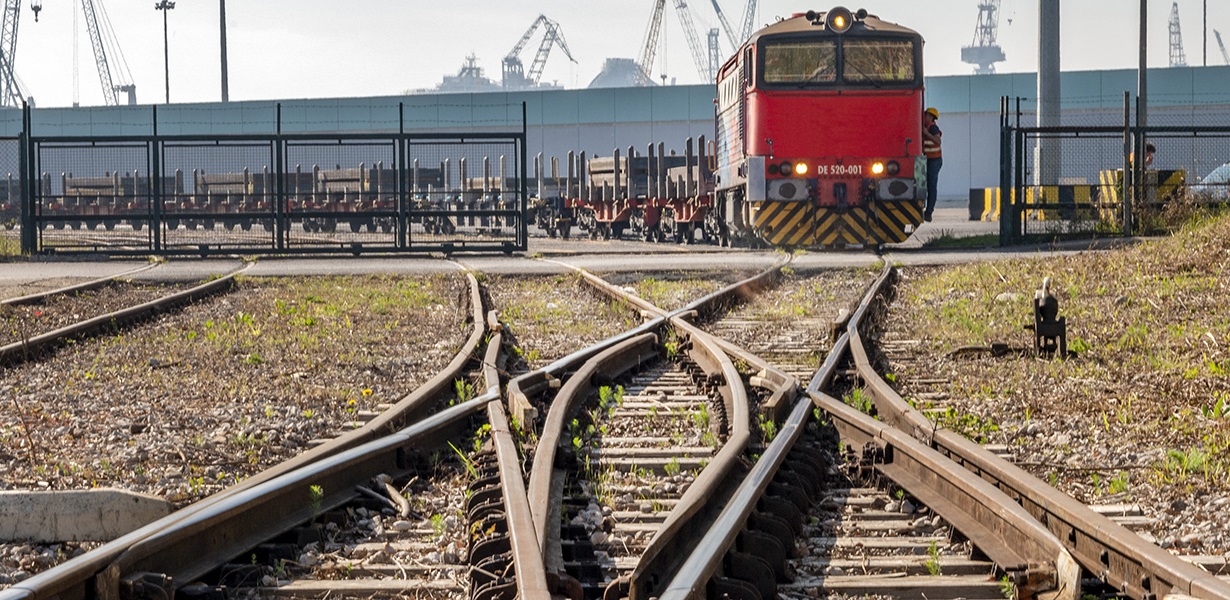
TRIESTE – The Port of Monfalcone continues to expand rapidly, and to handle growing traffic volumes, night-time rail operations will need to be introduced.
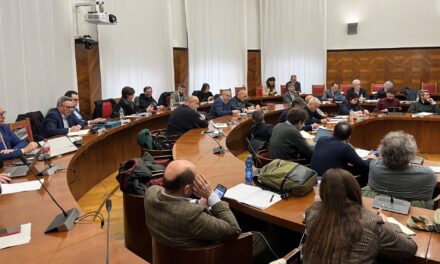
This was the key message that emerged during a meeting promoted by MEP Anna Maria Cisint, attended by the Port System Authority’s Commissioner, Antonio Gurrieri. Driven by strong traffic growth and an ambitious infrastructure investment plan, Portorosega’s strength appears to lie in the close cooperation among institutions, businesses, and local operators, with the shared goal of transforming the port into a leading logistics hub for the Northern Adriatic.
Cisint highlighted how the new zoning plan, land allocations, and infrastructure upgrades have broken with past inertia, leading to increased operations and job growth. The port is now at the heart of a development plan that includes dredging, improved rail links, quay extensions, and expanded logistics space.
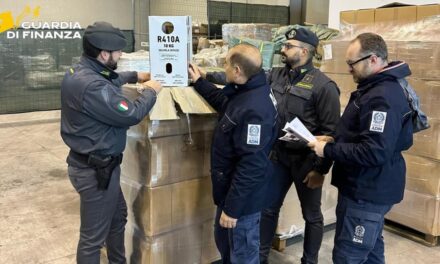
The figures speak for themselves: in the first five months of the year, dry bulk traffic rose by 22.5%, general cargo by 13.5%, and Ro-Ro by 32%. Larger vessels, up to 270 meters, are now more common, and rail transport has grown significantly—by as much as 50% in some cases compared to 2024. To support this growth, operators are calling for 24-hour port operations, night-time rail handling, and an increase in Guardia di Finanza personnel to reduce vessel turnaround times.
“It was a productive meeting focused on optimizing the port—both in terms of infrastructure and operations. We’re working toward extending operations to the night shift and have asked the Guardia di Finanza for their cooperation. After all,” commented Gian Carlo Russo, CEO of Fhp Group in Monfalcone, “our group already moves 43% of goods by rail.”
Andrea Valentinuzzi, CEO of Midsea (Midolini Group), added: “It’s good to see institutional interest in the Port of Monfalcone. Traffic volumes are quite substantial and are putting the port system under strain, but there’s a clear commitment to improving intermodality.”
During the meeting, data and forecasts were shared that confirm the port’s current momentum.
Local businesses were also represented, along with Cesare Bulfon, Director of the Coseveg Consortium. Work is scheduled to begin in September with dredging and quay upgrades, followed by yard renovations (€7 million over 18 months), refurbishment of water and sewage systems (over €4 million), and electrification of the quays, with a total investment of over €26 million planned for 2026. A permanent technical coordination group between Coseveg and the Port Authority will oversee the execution of the works.
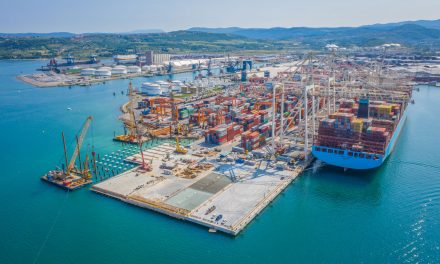
Among the upcoming developments is a possible expansion of car imports from Turkey for Stellantis, which would further confirm Monfalcone’s strategic importance in the Northern Adriatic port system.