

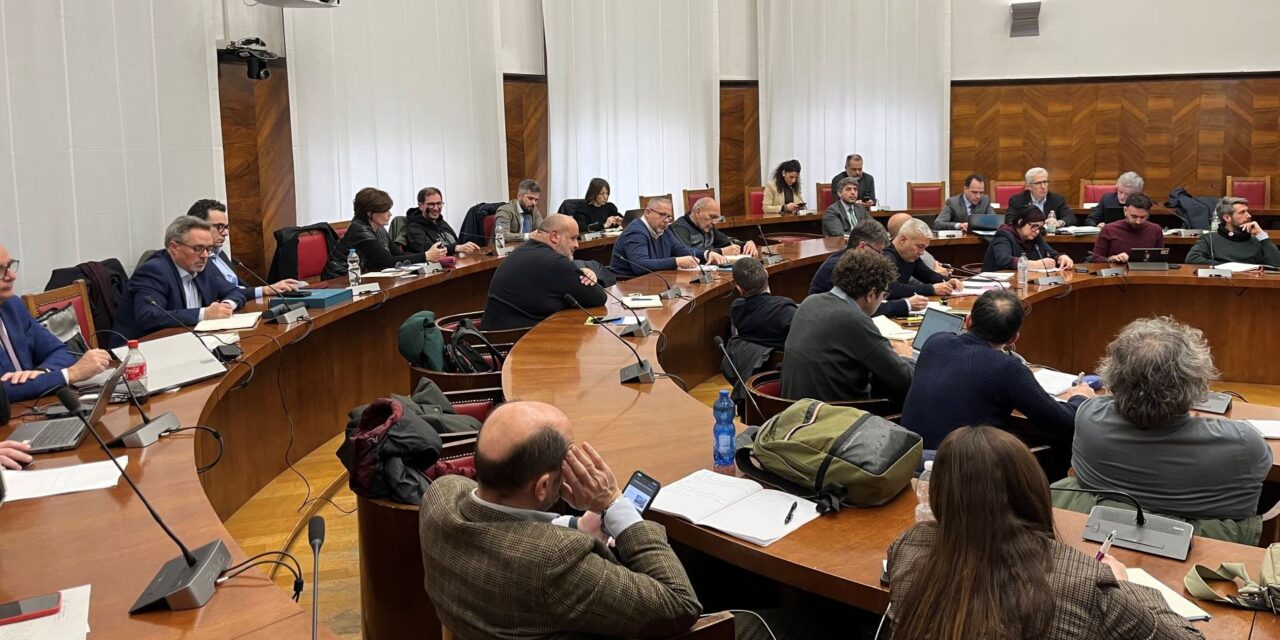
TRIESTE – The unions’ assessment of the meeting held today in Rome at the Ministry of Enterprises and Made in Italy is overall positive, but coupled with several reservations. The discussion focused on progress in Innoway’s industrial plan for the Bagnoli della Rosandra site, the former Wärtsilä plant.
According to FIM CISL, the company confirmed its main commitments: a total investment of 100 million euros and the achievement of full employment by the second half of 2027, as set out in the framework agreement of July 2024. Current employment levels are slightly higher than originally planned.
However, a critical assessment remains regarding the decision to split the investment into two phases, with 70 million euros by 2026 and the remaining 30 million pushed back to 2029. The timeline is considered too stretched, especially at a still-fragile stage of industrial conversion. Further issues emerged in the management of relationships with certain suppliers, which have caused delays in component deliveries and could lead to greater use of CIGS (extraordinary wage supplementation), with the risk of one or two days of stoppage per week for part of the workforce.
During the joint meeting, attended by FIOM CGIL and UILM, the company provided more detailed data than at previous appointments. The unions, however, reiterated the need for close monitoring of the industrial plan, described as ambitious but still exposed to grey areas linked to the timing of completion of the second phase and the overall resilience of the supply chain. The minister described as positive the appointment of engineer Bobbio as the new CEO, while stressing the need for a further step change, particularly on the Development Contract, considered to be behind schedule.
USB was more blunt: while acknowledging positive signs, it highlighted that, more than a year after the project started, many production and organisational aspects are still provisional. USB asked for clarity on the status of the lines, material supply, safety, training and firm timelines for the return of all workers currently on CIGS.
For USB, the commitments announced – investments, start-up of the lines by 2026, the rail connection, employment growth and the internalisation of strategic phases – must now quickly translate into concrete action. The phase now opening is described as decisive, with a call on institutions to exercise constant oversight and on the company to accelerate without further delays.