


TRIESTE – The Pier VIII project is entering a decisive phase. By the end of June, the Port System Authority of the Eastern Adriatic Sea is expected to publish the tender for the new infrastructure, one of the most significant investments planned for the development of the port of Trieste and set to be carried out through a public-private partnership.
The issue was at the centre of the meeting convened today at the Prefecture in Trieste to examine the environmental and health impacts of the project, with particular attention to the concerns expressed by the Municipality of San Dorligo della Valle regarding the increase in heavy traffic and noise emissions.
During the meeting, regional councillor for Environmental Protection Fabio Scoccimarro recalled that Pier VIII represents the outcome of the redevelopment process of the former Servola steelworks area. According to the regional government representative, the closure of the hot-end area of the Ferriera and the subsequent remediation works have made it possible to significantly reduce the area’s historical pollution, paving the way for new industrial and logistics development.
Scoccimarro stressed that the impact of port activities will have to be mitigated through two main lines of action: the electrification of the quays, an infrastructure that is now ready, and the strengthening of rail transport. He also recalled that the project is currently undergoing the national Environmental Impact Assessment (EIA) procedure, which has already included the public debate and the examination of observations submitted by the areas concerned. The councillor reiterated the need to strike a balance between environmental protection and economic development, highlighting the employment and industrial role of the port of Trieste for the entire regional territory.
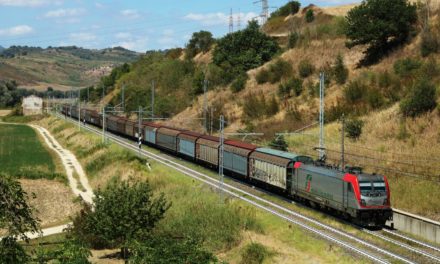
Another element raised during the discussion concerns the upgrading of rail and road access. Scoccimarro recalled that the tender will shortly be launched for the new Servola railway station, a project considered strategic for increasing the share of goods transported by rail. According to figures cited by Port Authority president Marco Consalvo, more than 53% of freight and passenger trains travelling through Friuli Venezia Giulia are linked to the activities of the port of Trieste.
The railway station project also provides for the construction, within five years, of new ramps providing a direct connection to the Grande Viabilità Triestina road system, with the aim of diverting heavy traffic away from residential areas.
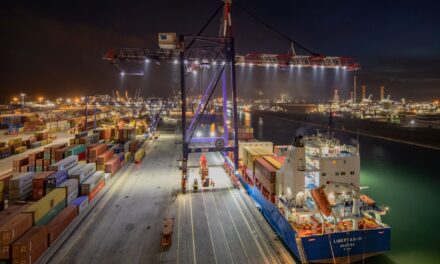
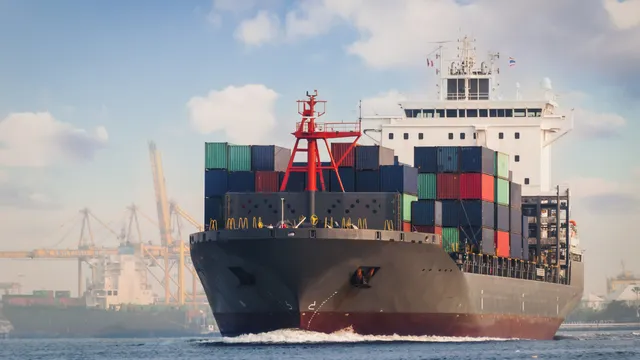
Pier VIII is the main container expansion planned at the Friuli Venezia Giulia port. The project is being developed through a public-private partnership made up of the Port Authority, HHLA PLT Italy, Logistica Giuliana and ICOP. The total investment amounts to around €316 million, of which more than €206 million is financed with public funds and €109 million by the private component. In the first phase, the terminal will have an estimated capacity of around 450,000 TEUs per year, set to rise to 1.6 million TEUs at full capacity.
g.t.