

TRIESTE – The Strait of Hormuz remains at the centre of the crisis: just hours after the announcement of a conditional reopening, new Iranian statements have reignited uncertainty and effectively halted transits.
In the past few hours, some international sources have reported statements attributed to Iran claiming that the strait had been “closed again”, with explicit threats against vessels attempting to pass without authorization. These claims, however, have not been confirmed by multilateral institutional sources.
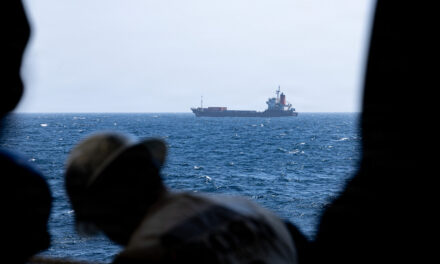
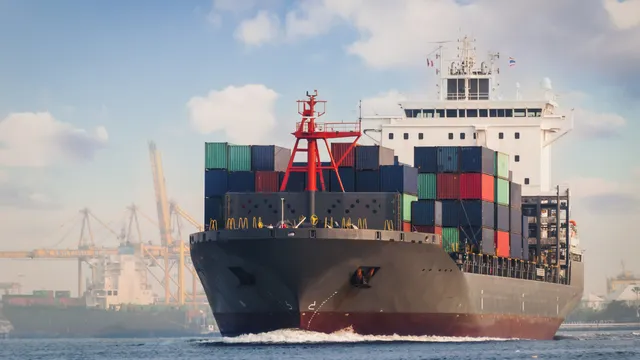
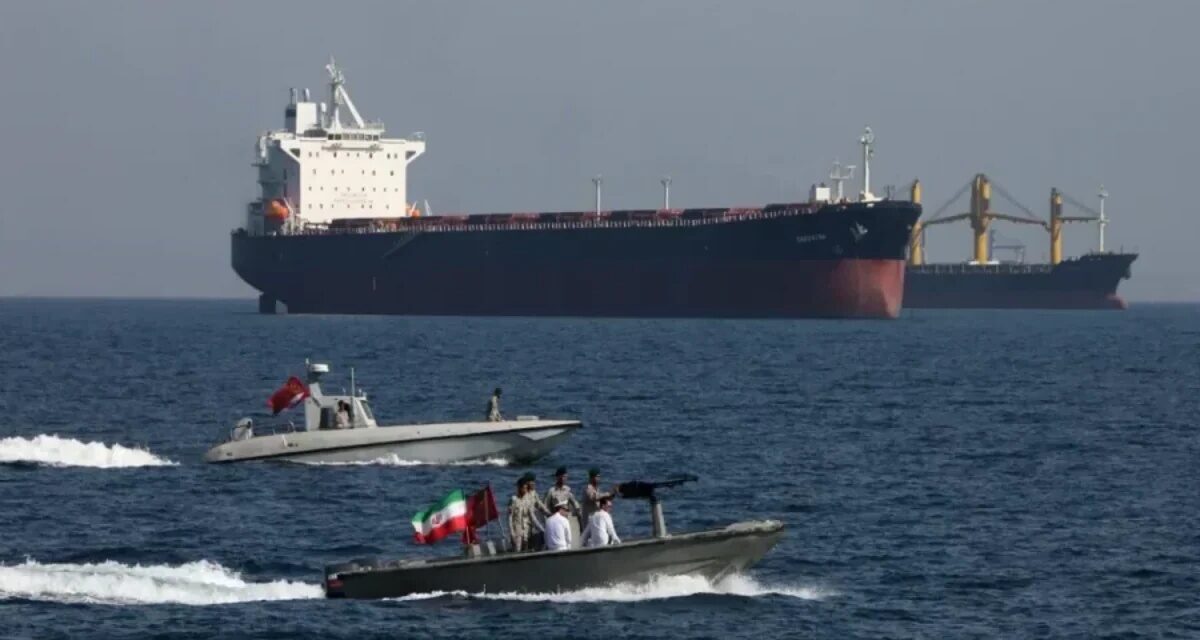
On the opposite side, the U.S. military command (US Central Command) has reiterated that there is no formal closure of the strait. The result is a hybrid situation. The strait is not officially closed, but traffic remains drastically reduced. Several shipping companies are suspending the transits that had just resumed or keeping vessels waiting outside the area. Market data indicate a significant drop in passages, with immediate effects on logistics chains and energy flows.
In recent days, there has been no single position on whether the Strait of Hormuz is open or closed. Iran has spoken of only a temporary reopening, subject to coordination with its own armed forces, and therefore not of a return to normality. The United States, by contrast, is pushing for a full and unrestricted reopening. The most reliable sources indicate that the strait is not truly open: transits are limited, controlled and accompanied by threats. Traffic data confirm a situation close to a de facto blockade, with very few vessels in transit compared with normal levels.
From a geopolitical standpoint, the strait is being used as a negotiating lever. For the maritime sector, caution prevails: companies are waiting for greater clarity before resuming transits. Insurance premiums remain high and the risk to ships and crews is considered critical. Even with a ceasefire in place, the normalization of traffic appears likely to be slow and gradual, with possible controlled corridors and special procedures before a return to standard conditions.