

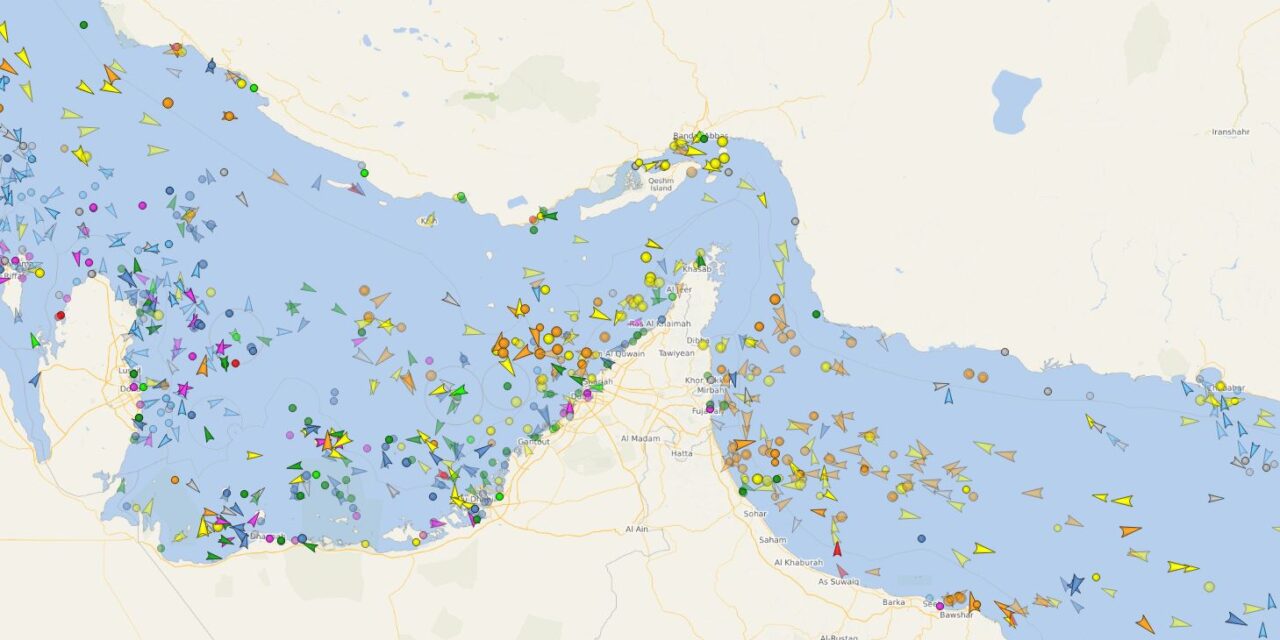
TRIESTE – Only a partial reopening, and under strict conditions, in the Strait of Hormuz, with flows still far from normal and strong operational uncertainty for shipping.
Over the past 24 hours, the situation has formally eased with a two-week ceasefire between the United States and Iran, allowing ships to transit. But this is only a limited reopening, conditional on a halt to attacks and on operational coordination that, in practice, changes the rules of passage.
From an operational standpoint, the figures still show a critical picture. According to an official British statement to the UN Security Council, only 9 ships transited in the past 24 hours, against a normal flow that can reach up to 150 per day. Traffic is therefore still effectively blocked. What weighs most is the caution of operators. The main shipping companies still do not consider the passage safe: decisions are being taken case by case, rather than through a resumption of regular routes. Shipowners’ associations also describe the situation as ‘unpredictable’, with any return to the area dependent on concrete security guarantees.
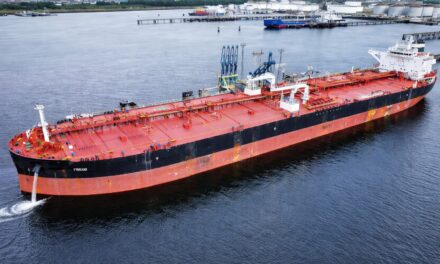
In the meantime, a significant backlog has built up. Estimates تشير to around 200 tankers waiting in the region, with more than 170 million barrels of crude and refined products held up. Some assessments also point to as many as 1,000 ships stalled in the area and normalization times of between 6 and 8 weeks, even in the event of stabilization.
Energy markets reacted immediately. The oil price fell below 100 dollars a barrel, with declines of more than 10%. This is, however, a reaction linked to the reduction of extreme risk, not to a return to normality. Critical issues remain over insurance, vessel availability and supply chain stability.
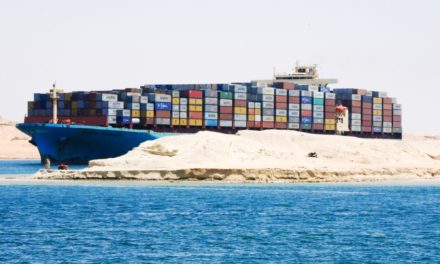
From a geopolitical perspective, the situation remains fragile. The UN Security Council failed to approve a resolution on maritime security because of a veto by China and Russia. At the same time, there has been discussion of possible conditions or tariffs for transit, but on this point there is no verifiable confirmation. From a security standpoint too, the risk remains high. In the same hours, an attack was reported on a container ship south of Kish Island, while an earlier episode caused casualties among the crew of a Thai vessel. These are signs that operational risk has not receded.