

TRIESTE – Two new ro-ro vessels designed in Trieste will mark a step forward in operational flexibility and energy efficiency in the sector.
On 6 March, the contract was finalized for the basic design of two 200-metre ro-ro units for shipowner Stena RoRo. The agreement involves the Trieste-based company NAOS Ship and Boat Design and the Chinese shipyard China Merchants Shipbuilding Industry Group Weihai Shipyard.
The project is based on what is described as a “flexible” platform, designed to adapt to different operating configurations. The initial version provides for three cargo decks and capacity of around 3,500 lane metres with 3-metre-wide lanes. Variants with four decks and a 13.5-metre hull extension are already under study, which would bring capacity up to about 5,200 lane metres of trailers.
Stena RoRo has already ordered the first two units, while retaining an option for a further four vessels and for the alternative versions of the design. The decision is expected in the coming months.
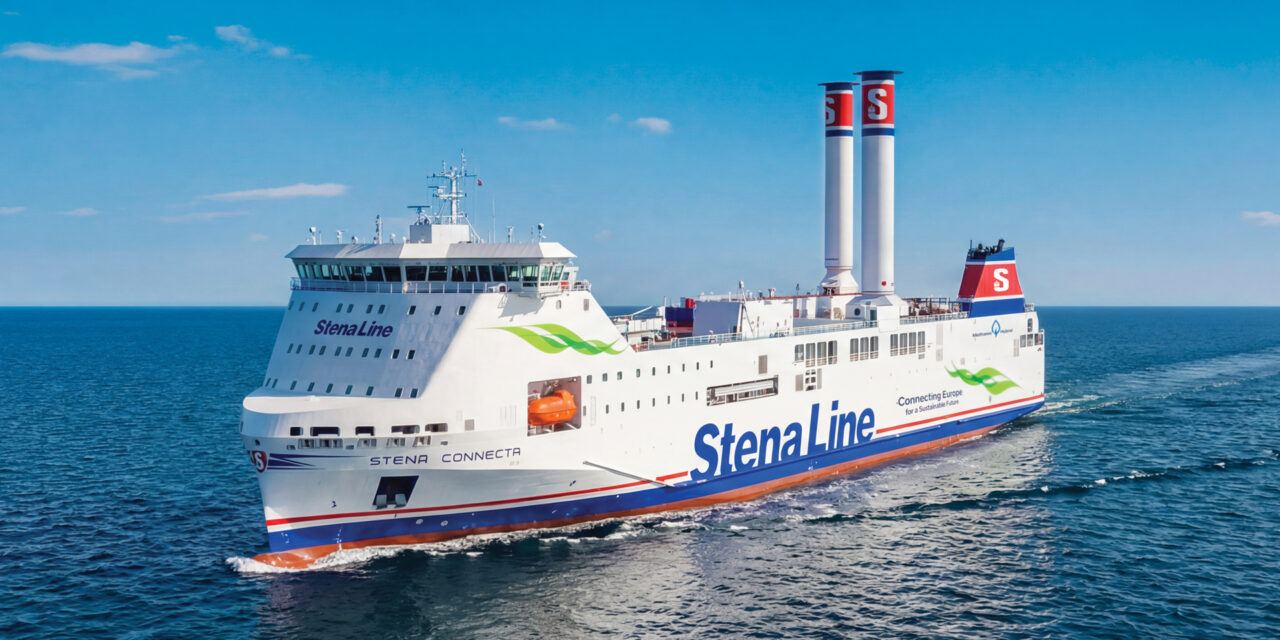
The relationship between the Swedish shipowner and the Weihai shipyard is well established: 17 vessels have been built over the past ten years. Two recent units as well, Stena Futura and Stena Connecta, also bear the NAOS design signature.
From a technical standpoint, the project introduces a significant element for the sector. The new units are in fact designed to comply with phase 3 of the EEDI (Energy Efficiency Design Index), the most stringent international standard for energy efficiency in new shipbuilding. According to the information provided, they would be the first ro-ro vessels in the world to reach this level.
Innovative ro-ro: NAOS designs two new vessels for StenaThe Trieste-based studio has been commissioned for the units to be built at the Chinese shipyard in Weihai