

TRIESTE – Operational tests on the new railway line between Koper and Divača, designed to increase traffic to and from the Slovenian port, will begin on Monday, March 9.
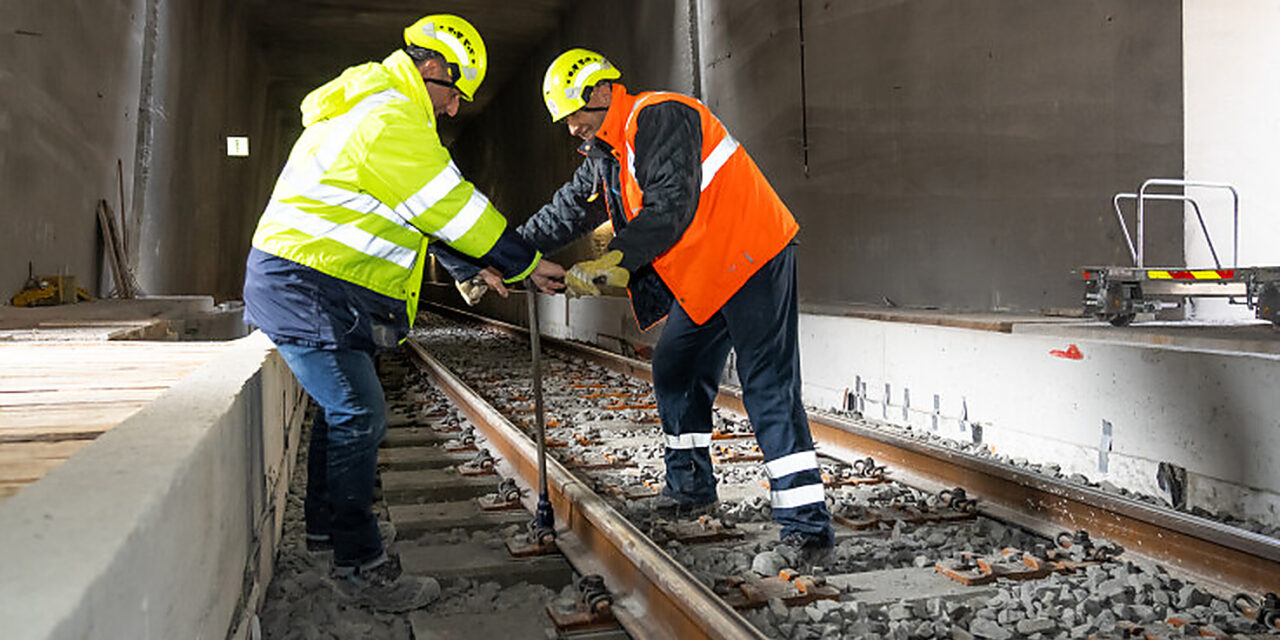
The tests, scheduled to run until March 11, mark the first operational step after the completion of track connection works along the entire 27-kilometre route. The trials will be used to verify the line’s operability and the behaviour of the infrastructure as train speeds are progressively increased. During the tests, checks will also be carried out on track stability and on the performance of the different construction systems used along the route.
The new line, in fact, has been built using modern technical solutions, including slab track and specific transition zones between the rigid structure and conventional ballast track laid on gravel. The presence of these different construction types makes in-depth technical checks necessary before the line can enter service.
The testing phase is a preliminary step ahead of the issuing of the operating permit. The contractor will then have to carry out further measurements and load tests along the line.
The doubling of the Koper-Divača section is one of Slovenia’s main railway infrastructure projects and aims to increase the capacity of links between the port and Central European markets.
Construction of the project began in 2019 with the building of access roads to the sites, while the main works started in 2021. In 2026 the line became passable.
In recent days, the project was visited by a delegation from Ukraine and Moldova. Representatives of the ministries and railway institutions of the two countries took part in a study visit to Slovenia to examine experiences related to the development and regulation of rail transport.
During the programme, the delegation met several senior figures from Slovenia’s railway sector and also visited the Škofije tunnel (T8). The initiative forms part of the “Cooperation of Georgia, the Republic of Moldova and Ukraine in the Transport Community” project, which aims to support the gradual integration of Ukraine and Moldova into European transport systems.