

TRIESTE – International freight transport costs for Italian foreign trade remained broadly stable in 2025, but with very different dynamics across the various modes of transport. This emerges from the Bank of Italy’s annual survey, which also points to a further deterioration in the competitive position of Italian carriers and a widening of the freight transport balance deficit.
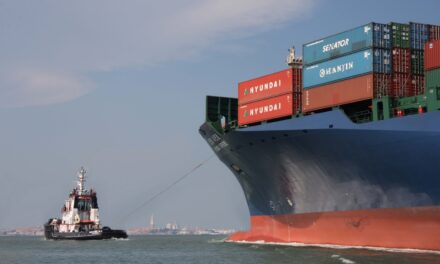
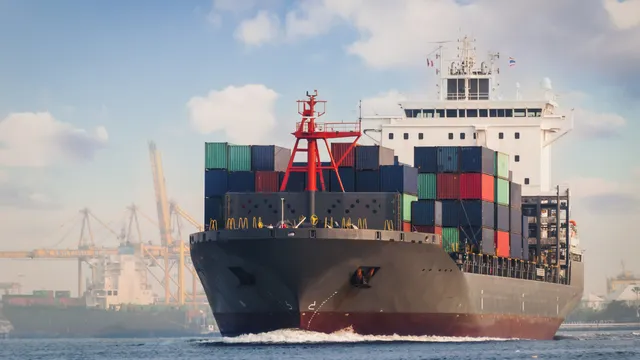
The incidence of transport costs on the value of trade remained unchanged for exports, at 2.6%, while it fell slightly for imports, from 4.2% to 4.1%. On the maritime front, after the sharp increases in 2024 caused by the Red Sea crisis, container freight rates fell thanks to the increase in shipping capacity and the slowdown in demand. Costs, expressed in dollars per TEU, fell by 26% for imports and by 13% for exports. Freight rates for liquid and dry bulk also declined, supported by abundant tonnage supply and weaker demand.
The Ro-Ro segment moved in the opposite direction, with costs rising significantly as a result of stronger demand and the entry into force of European rules on the decarbonisation of maritime transport, which particularly affect short-sea routes. In road transport, average costs per tonne rose by around 10%, returning to 2022 levels. The increase is attributed both to higher volumes transported and to rising operating costs, especially drivers’ wages, worsened by the persistent shortage of drivers and the reduction in available capacity, also due to the fall in registrations of heavy goods vehicles in Europe.
Rail transport, by contrast, showed substantial cost stability. Freight rates for containers increased moderately, while those for bulk declined. Rail traffic with China also fell, becoming less competitive again after the reduction in maritime freight rates. In the air sector, average costs fell for both imports and exports thanks to lower operating costs, continuing the phase of normalisation after the sharp increases of previous years. Costs for natural gas transport by pipeline, however, rose sharply, increasing by an average of 30%, especially for flows from Libya, Norway and the Netherlands.
The survey also highlights a further decline for Italian carriers. Their overall market share fell from 13.5% to 12.5%, with a decline in both maritime transport, from 9.6% in 2024 to 8.7%, and road transport, from 20.1% to 19%. The only improvement concerned the air sector, where the share rose to 14.3%. This loss of competitiveness is reflected in the freight transport balance: the deficit increased from €10.7 billion to €12.6 billion in 2025, mainly due to the reduction in the shares held by Italian operators in the maritime and road sectors.
The Bank of Italy also warns that the picture could worsen in 2026. Tensions in the Persian Gulf have already led to a sharp increase in tanker freight rates and in the transport of refined products, while the increase has been more contained for containers and dry bulk. If freight rates were to remain at the average levels recorded in the second quarter of 2026, Italy’s higher expenditure on maritime transport of imported goods would amount to around €1.6 billion compared with 2025.