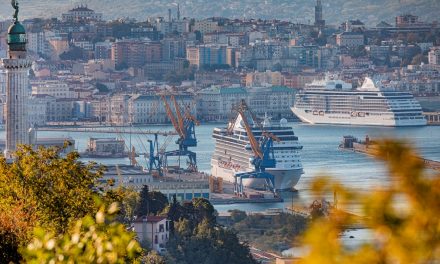


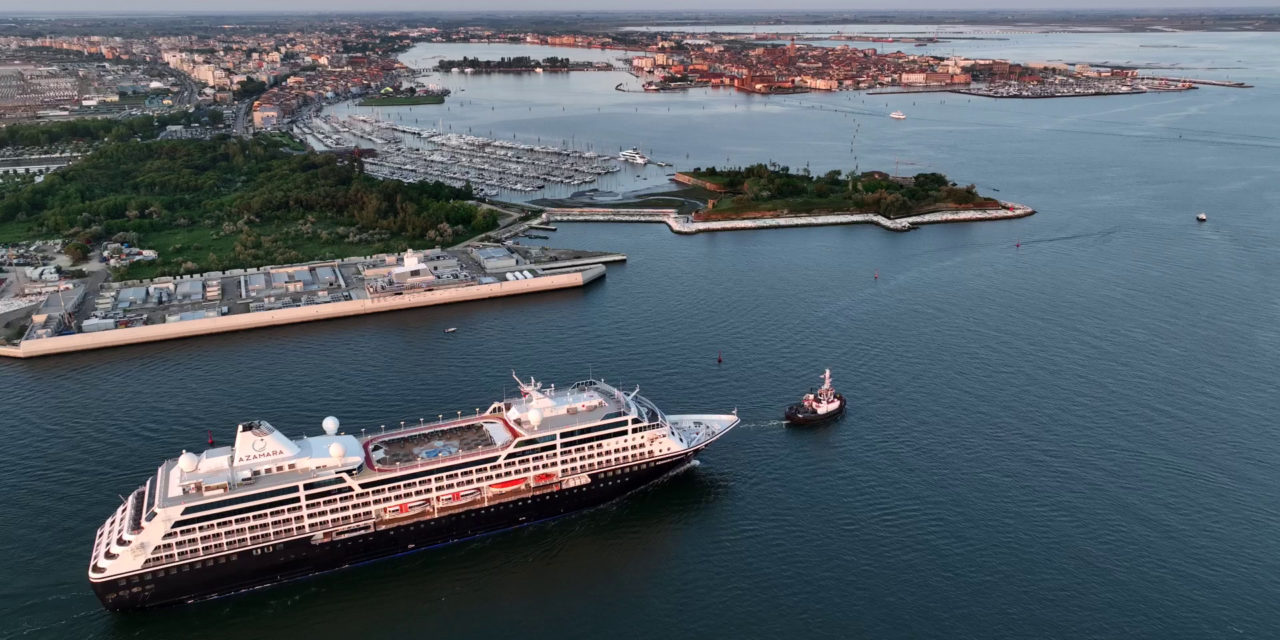
VENICE – The Port System Authority of the Northern Adriatic Sea is increasing its focus on the port of Chioggia: 7.6 million euros have already been allocated for dredging, with the aim of improving navigational accessibility and supporting the development of cruise traffic.
Now the opening of a new office is drawing closer. The need is to respond more “closely” to the requirements of the port and, at the same time, to verify safety standards in operations. At the same time, careful attention will also be paid to the manufacturing development of the companies operating there, as shown by the handling of Cimolai cranes bound for Monfalcone.
The latest Management Committee, chaired by Matteo Gasparato and composed of Dennis Wellington for the Metropolitan City and Giuseppe Fasiol for the Veneto Region, in the presence of Port Authority Admiral Filippo Marini, approved “the establishment of a decentralized administrative office in Chioggia, in implementation of the provisions contained in the 2026–2028 Three-Year Operational Plan (P.O.T.)”. It will be located in the current premises of Aspo Chioggia, the Special Port Authority of Chioggia.
For the Venetian Port Authority: «The new structure was created with the aim of ensuring the Authority’s stable presence in the Chioggia port, fostering daily dialogue with operators and terminal operators and supporting the growth of the port and the local area. The office will mainly carry out front-office activities, acting as a point of reference to welcome, inform and guide port users, as well as supporting the Administration in the management of applications and procedures. In particular, it will support the preliminary work for administrative measures, the promotion of the development of local activities and operational coordination with institutions and operators in the area».
President Gasparato added: «Future challenges will require a further strengthening of strategic planning, continuity in infrastructure investment and increasing attention to innovation, sustainability and integration into European logistics networks».
t.b.