

TRIESTE – The European Commission is proposing a revision of the ETS that would make the reduction in CO2 allowances more gradual after 2030, partially addressing the requests made by Italy and nine other member states (Bulgaria, Cyprus, the Czech Republic, Estonia, Greece, Hungary, Poland, Romania, and Slovakia) to safeguard the competitiveness of European industry and limit the risk of relocation and the diversion of maritime traffic to non-EU ports.
The package presented by Brussels combines the new Plan for the Electrification of Europe with the revision of the European Emissions Trading System (ETS). On the climate front, the goal remains to increase the share of electrification in final energy consumption from the current 23% to 46% by 2040, with an estimated reduction of up to 260 billion euros per year in fossil fuel imports.
The most significant development, however, concerns the ETS. The Commission is proposing a less stringent path for reducing the emissions cap: the linear reduction rate will be 3.7% per year between 2031 and 2035 and 1.7% between 2036 and 2040. This decision responds, at least in part, to the requests from Italy and the other nine countries that had called for a review to avoid negative effects on the competitiveness of European industry. The proposal also maintains free emission allowances beyond 2030, though it makes them contingent on companies’ investments in decarbonization. The stated goal is to prevent the relocation of production and emissions to countries with less stringent environmental regulations, while at the same time supporting European reindustrialization.
The revision also strengthens the financial instruments dedicated to the transition. Plans call for the creation of the Industrial Decarbonization Bank with a budget of 100 billion euros, while the ETS Investment Booster will launch in 2028 with approximately 30 billion. Member states will also be required to allocate at least 50% of the revenue generated by the ETS to investments in decarbonization.
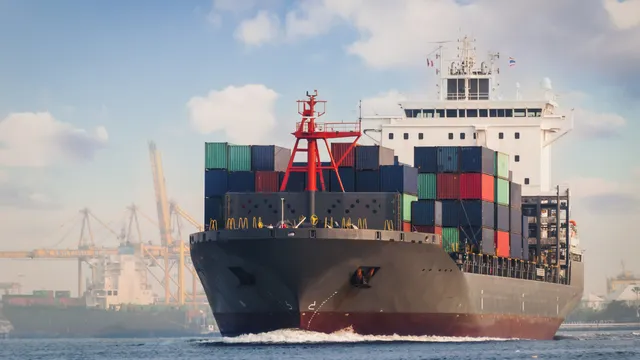
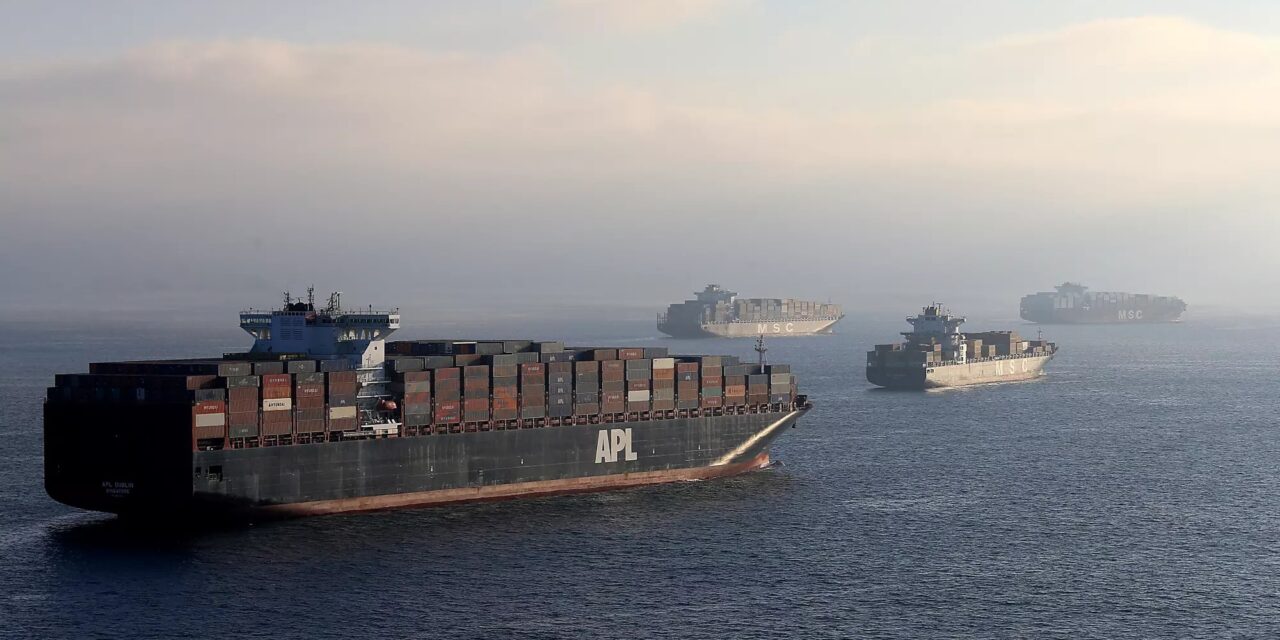
For the maritime sector, measures aimed at limiting circumvention of the system have been confirmed. Specifically, the Commission is extending the ETS to new categories of ships between 400 and 5,000 metric metric tons of gross tonnage with higher emissions and expanding the list of ports considered at risk of artificial transshipment—a measure designed to counter the diversion of traffic to ports outside the European Union. The package also includes measures to accelerate the electrification of transportation, including maritime transport, through investments in energy infrastructure and power grids, which are considered essential to supporting Europe’s energy transition.