


TRIESTE – The Gemini alliance is redesigning its network in the North Adriatic, positioning Rijeka as a transshipment hub for feeder services destined for Italian ports.
Maersk and Hapag-Lloyd are reorganizing their services with new configurations: vessels bound for the North Adriatic will increasingly utilize the Croatian port (Rijeka Gateway, operated by Maersk) as their primary reference point, from which containers will then be distributed via feeder services to other ports in the region.
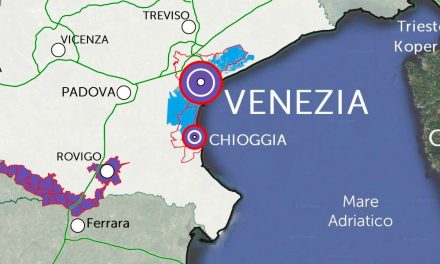
The IAS service, which will connect Rijeka with Venice, Ancona, and Ravenna, plays a central role in this strategy. As part of this reorganization, Ancona will be removed from the rotation of the Adria Express (ADX) service but will continue to be served through the aforementioned IAS connection. No changes are expected for the port of Trieste. The HHLA PLT Italy terminal already receives a feeder service from Rijeka, and according to available information, this arrangement will remain unchanged.
In parallel, Maersk has announced a modification to the AE15 service within the Gemini network, which connects the Far East with the Mediterranean. The rotation will officially return to transiting through the Suez Canal, abandoning the route via the Cape of Good Hope adopted in recent months. The new rotation is as follows: Qingdao–Kwangyang–Ningbo–Tanjung Pelepas–Port Said–Damietta–Colombo–Singapore. According to Maersk, this change will reduce transit times and represents a further step in adapting the Gemini network to evolving operational conditions.
However, it is not yet clear what effects this change may have on services destined for the North Adriatic. At present, Maersk has not announced further modifications to the regional network; therefore, it remains to be seen whether the return of the AE15 to the Suez route will lead to a future revision of connections to North Adriatic ports or if the current setup, based on the Rijeka hub and the feeder network, will remain unchanged.