

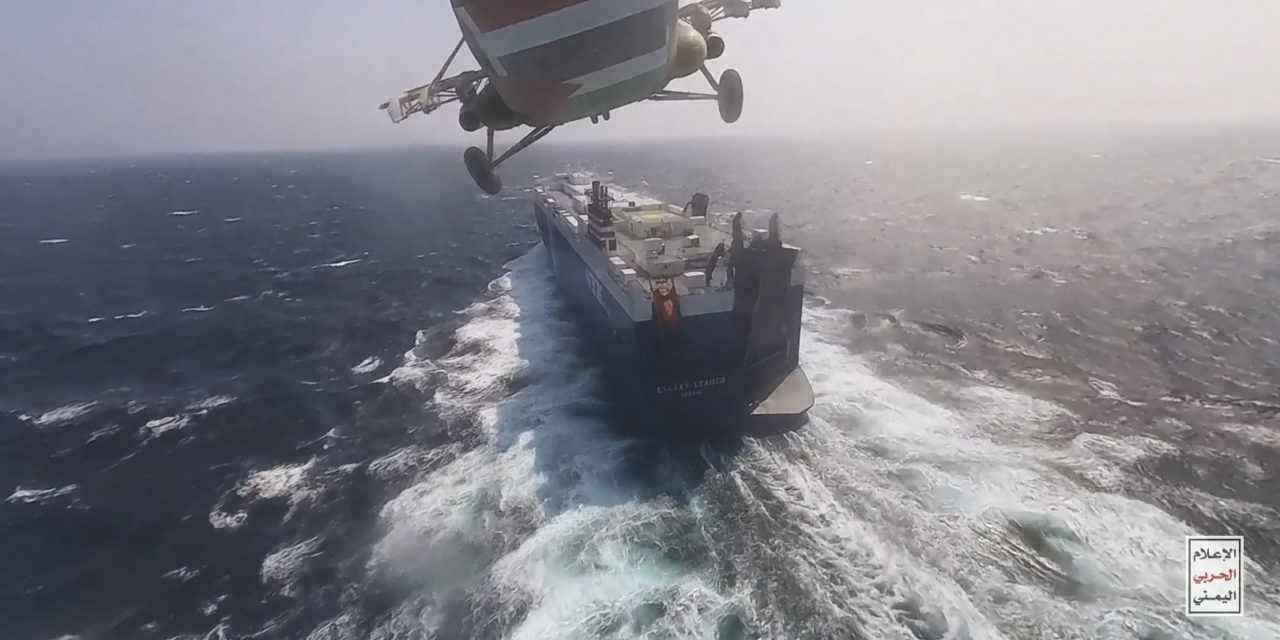
TRIESTE – The Yemeni Houthi group has announced the suspension of attacks against ships transiting the Red Sea and against targets linked to Israel, linking the decision to the truce in the Gaza conflict.
According to AP and ABC News, the communication arrived in a letter addressed to the al-Qassam Brigades, in which commander Yusuf Hassan al-Madani stated that operations will resume only if Israel returns to attacking the Gaza Strip. However, this is not a definitive cessation. The Houthis’ commitment remains conditional, and maritime analysts urge caution: the situation in the Red Sea remains unstable, even though the immediate threat to maritime trade appears reduced.
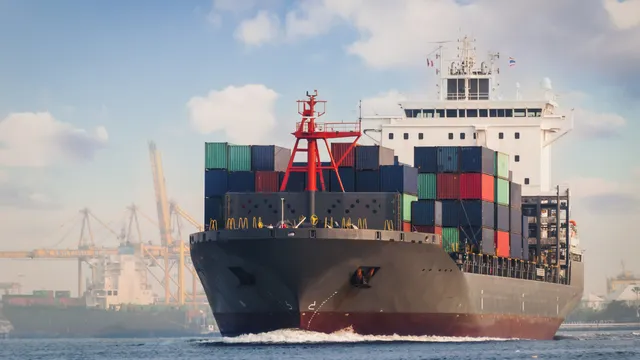
The attacks of the past twelve months had caused heavy disruptions to global flows, pushing many companies to confirm the route around Africa. The result was an increase of 10–14 days in transit times and a rise of up to 40% in freight rates on Asia–Europe connections. According to the Financial Times and the World Bank, the diversion of routes had reduced by about 15–20% the transport capacity in the corridor between the Far East and the Mediterranean, with direct effects also on the European ports connected to the Suez route.
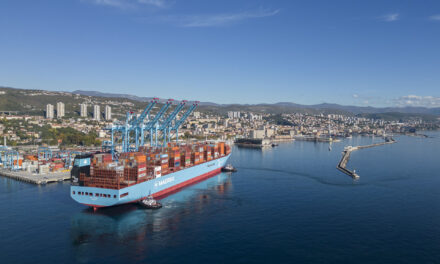
For the North Adriatic ports (Trieste, Venice, Koper and Rijeka), the halt to the Red Sea crisis, with the suspension announced by the Houthis, could favour a gradual return to normal traffic, with the resumption of regular services via Suez and a reduction in insurance costs. However, the conditional nature of the truce leaves open the possibility of new tensions. For operators and terminal companies in the Adriatic area, the current phase requires caution and flexibility: monitoring the choices of the shipping companies and the evolution of insurance premiums will be decisive in adjusting operational capacity and exploiting potential competitive advantages deriving from the stabilisation of the “old” route.