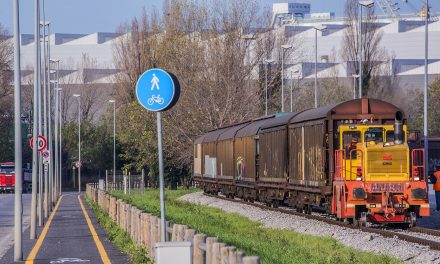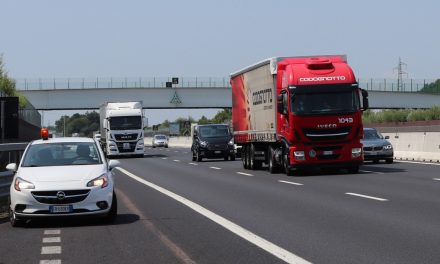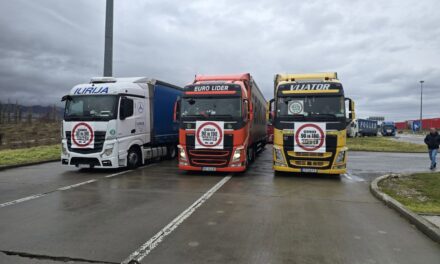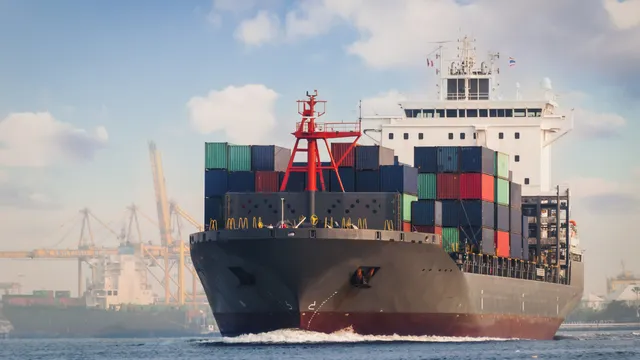


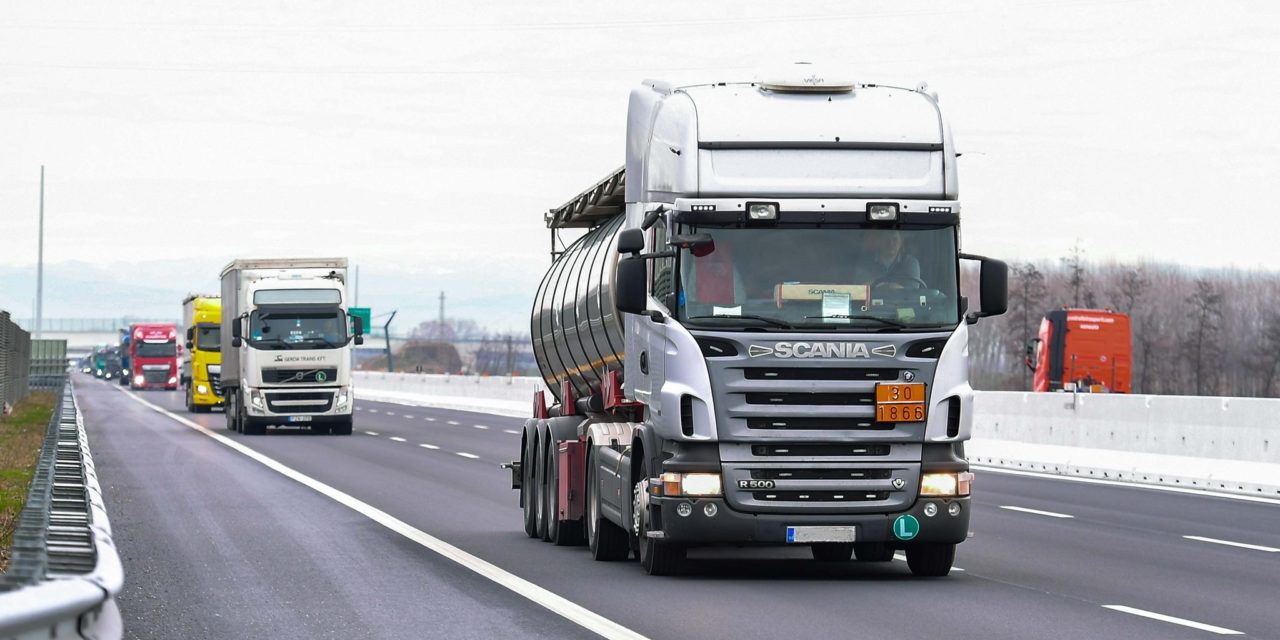
TRIESTE – Freight transport in Europe remains dominated by road, with 78% of goods moving by truck and only 17% by rail. In Italy, the road share rises to 88%, while rail drops to 12%, confirming the country’s difficulties in meeting the sustainability targets set by the European Union.
The data, processed by Connact Mobility based on Eurostat, were presented in recent days in Rome during the event “L’evoluzione delle politiche UE per i Trasporti”, organised in collaboration with the European Parliament in Italy. The conference brought together institutions and companies to discuss decarbonisation, infrastructure and the energy transition in the mobility sector.
The analysis shows a strong contrast between Western and Eastern Europe: in countries such as Spain, France, Belgium and Italy, rail freight remains marginal, while in Slovenia, Slovakia, Poland and Romania it exceeds 25%, reaching peaks of 40% in the Baltic States. Road transport dominates in the South and West of the continent, with Spain, Greece and Ireland close to 100%.
According to Massimiliano Calamea (Autostrade per l’Italia), road will continue to represent the backbone of European transport, but with a growing role in digitalisation and emissions reduction.
Electric mobility was a central topic: over 333,000 electric cars are currently circulating in Italy, with 60,870 new registrations in 2025 (+28% compared to 2024). However, the national market share (5.9%) remains far below the European average (16.1%), while Belgium and the Netherlands exceed 30%. Charging points amount to 67,561, up by 10,000 in one year. «Electric mobility is a concrete lever for decarbonisation», noted Fabio Pressi, CEO of A2A E-Mobility, announcing new fast-charging hubs and City Plug urban models.
In the maritime sector, Raffaele Latrofa, special commissioner of the Port Authority of the Northern Central Tyrrhenian Sea, presented €80 million worth of projects dedicated to cold ironing and green hydrogen production. From the logistics side came a call for realism: «We are not against decarbonisation, but against unrealistic targets», said Maria Cristina Scarfia of Confetra, calling for more adequate incentives for the transition of heavy transport.
From industry, Davide Cucino (Fincantieri) called for a European industrial strategy for the maritime sector, while Marco Mannocchi (IP Gruppo api) reiterated the need to diversify technologies, focusing on electric, hydrogen and biofuels. Aimone di Savoia Aosta (Pirelli) called for a stable regulatory framework to enable long-term investment.