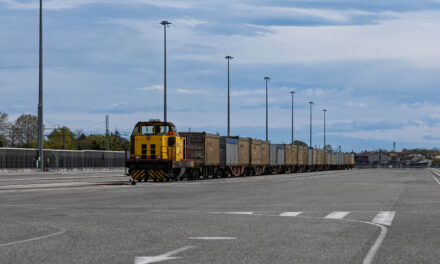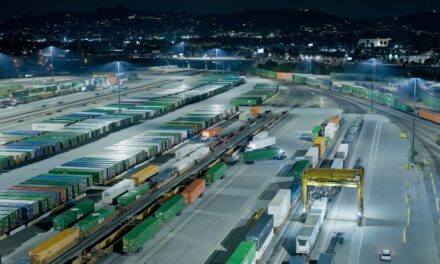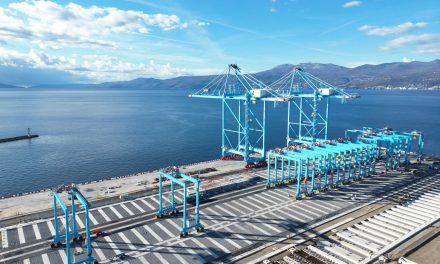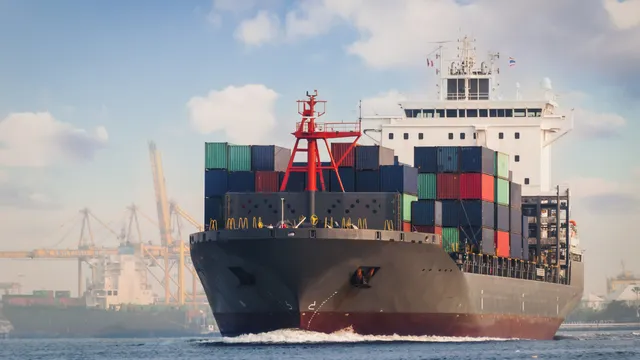


TRIESTE – Luka Koper, the company managing the Port of Koper, is strengthening its strategy on general cargo and project cargo, a growing segment that in recent years has been taking on an increasingly significant weight in the port’s traffic mix.
In the medium to long term, the strategy includes further investments in cargo-handling equipment and an upgrade of dedicated road access for oversized and abnormal loads. In recent years, the port has consolidated its role as a project cargo hub, capturing demand linked above all to energy-transition projects and new industrial investments in Europe. Incoming shipments include components for wind farms, energy storage systems, production lines for electric vehicles and other high value-added cargoes, often tied to Asian investors setting up new plants in Europe.
According to Luka Koper, project cargo growth is not episodic but structural. Forecasts point to further volume increases in the coming years, prompting the operator to plan targeted measures both on the operational side and on the infrastructure front. In this context, projects are under way to expand berthing capacity and improve the management of vessels employed in special-cargo trades.
Among the most significant works is the construction of Berth No. 12 in the second port basin, scheduled for completion by the end of 2026. The infrastructure will provide greater flexibility for vessel berthing and boost the overall efficiency of operations at the general cargo terminal, a sector considered strategic for the port’s future development.
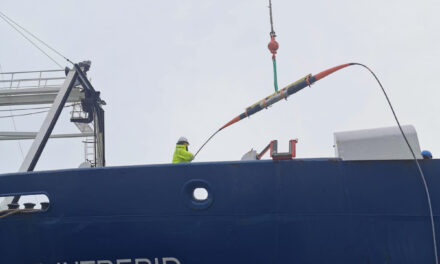
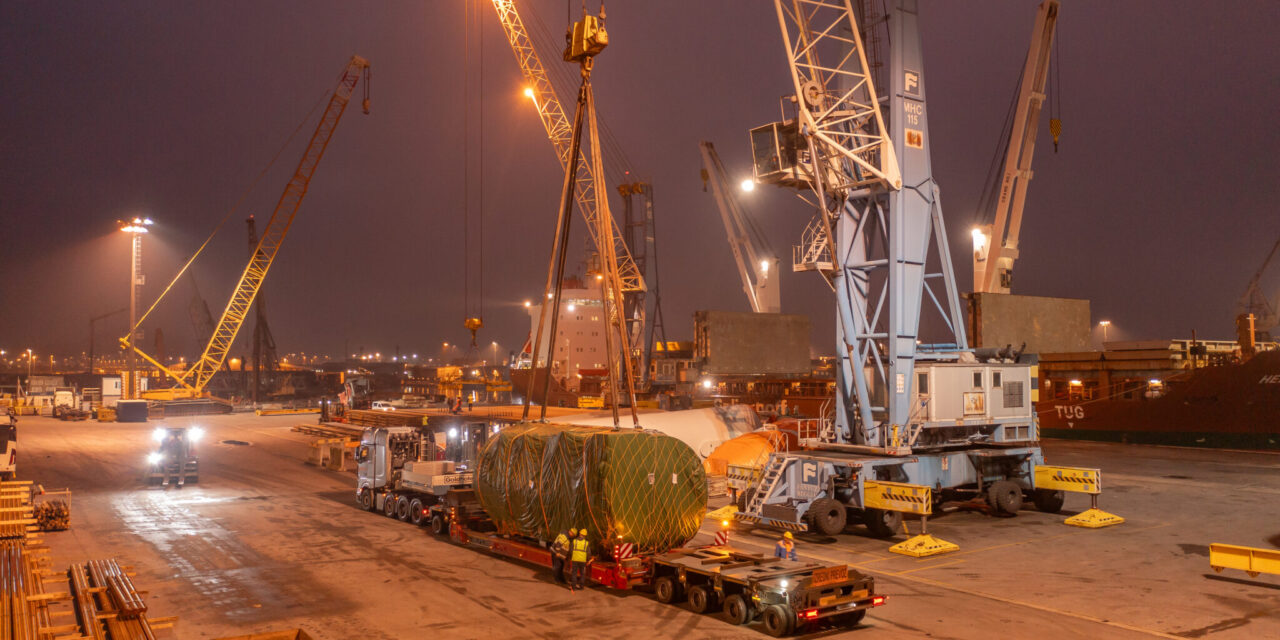
At the same time, there is a rise in traffic related to battery energy storage systems, used to stabilise power grids and support the integration of renewable sources. These are particularly heavy units, which can reach several dozen tonnes each and require dedicated solutions both during discharge and during the exit phase from the port—often carried out at night for logistical and safety reasons.
Alongside industrial and energy cargoes, Luka Koper also continues to handle complete trainsets bound for markets in South-Eastern Europe. After operations already carried out in 2025, further volumes are expected over the course of 2026 as well, confirming an increasingly strong positioning in special transport and project cargo.