

TRIESTE – With the European Union and India increasingly close to sealing the free trade agreement, the logistics sector is looking at the real-world impact on flows and supply chains.
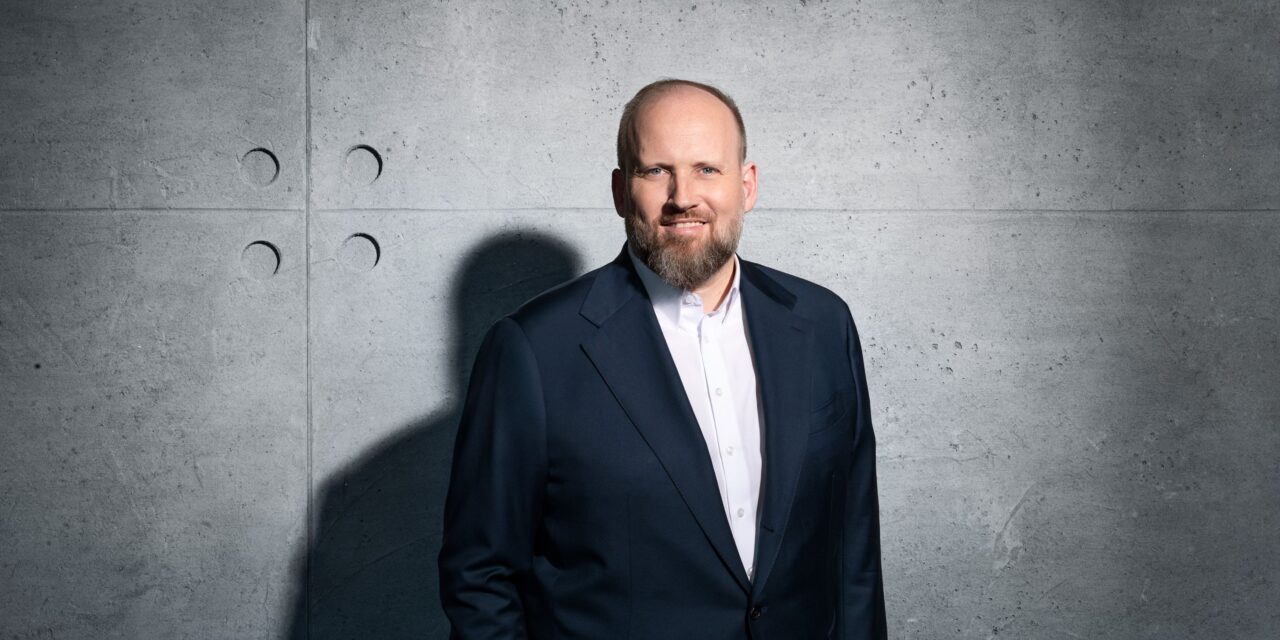
As already highlighted in recent days regarding the EU-India understanding and its potential impact on Euro-Asian flows, the value of the deal lies not only in its political weight, but in its ability to translate into corridors, services and day-to-day operations. A point also reiterated by Tobias Bartz, CEO of Rhenus Group, who stresses that ambition must go hand in hand with execution.
According to Bartz, the EU-India agreement sends a strong signal because it combines market openness with a focus on implementation. The true strategic value, he says, is measured in the certainty that these agreements can offer companies during the planning phase and in their ability to produce tangible effects in the daily practice of supply chains.
From an economic standpoint, the estimated savings of around four billion euros per year and the expected increase in trade volumes confirm the relevance of the EU-India deal. For companies operating globally, the message is clear: not protectionism, but connectivity and targeted partnerships are what support growth and ensure greater predictability along supply chains.
In the Rhenus CEO’s comments, the central role of logistics also comes through strongly. India, the fastest-growing major economy globally, is set to carry increasing weight in the balance of international supply chains. For the agreement to deliver concrete results, however, the political framework must be directly linked to infrastructure, transport networks and operational capabilities. In this context, Bartz points to the importance of multimodal solutions integrating ports, short sea shipping and inland waterways.
For Rhenus, Bartz concludes, India has long been a key market and a strategic focus, where the company intends to keep investing to support future growth, not only locally but across the entire global arena.