

TRIESTE – Works and closures will also affect Friuli Venezia Giulia under RFI’s 2026 plan, with operations on three key lines in the region.
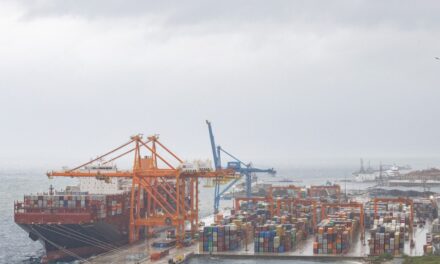
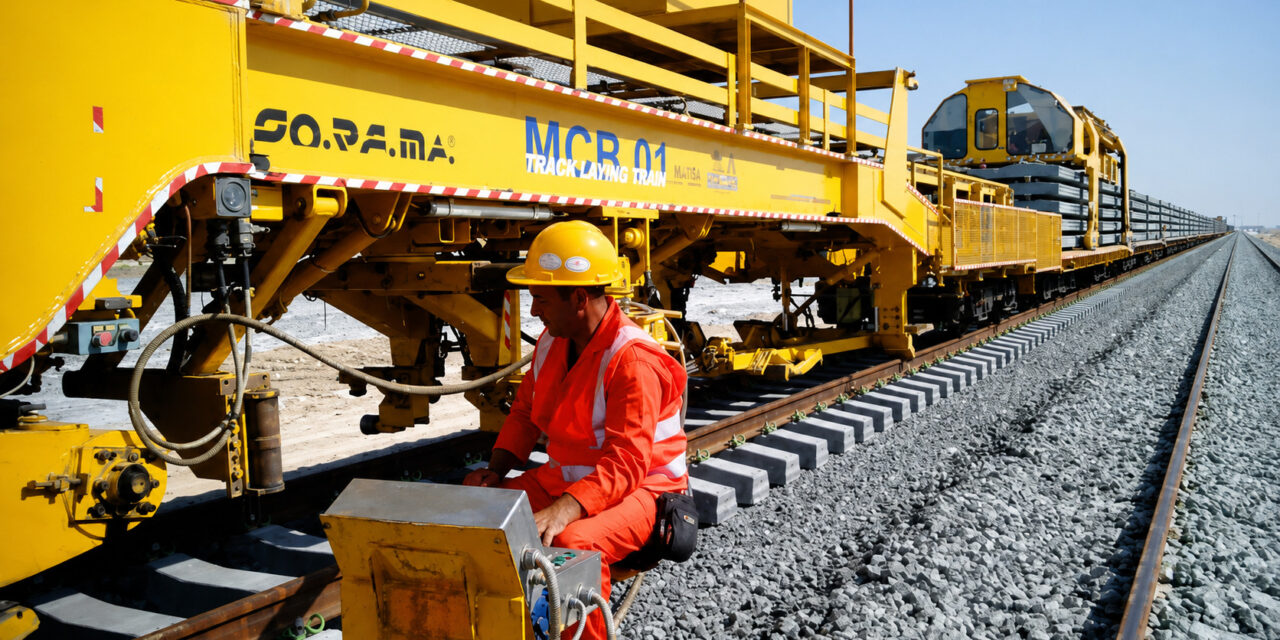
In detail, on the Venice-Trieste line, a closure is scheduled from 19 to 24 May between Portogruaro and Cervignano for the renewal of the steel span of the Latisana bridge and preparatory works for the ACCM system. During the May closure, 100 freight trains will be cancelled and 110 diverted via Udine. Trains from the port of Trieste towards Tarvisio, however, will not be affected.
On the Casarsa-Portogruaro line, maintenance and electrification works will require a longer closure, from 13 July to 23 August. Finally, on the Tarvisio-Udine line, from 22 August to 20 September, the replacement of IPA plates is scheduled between the Italian-Austrian border and Carnia.
The works are part of a national planning framework that aims to concentrate activities in periods of lower traffic, with longer but targeted closures, in order to reduce the overall impact on rail services in the medium term.
At national level, the FS Italiane Group currently has around 1,300 worksites active every day across the network, covering maintenance and new projects, for a total value of 11.6 billion euros in 2025. This is the highest level ever recorded, supported largely by NRRP funds, which allocated 25 billion euros to the group, 18 billion of which had already been invested by early 2026.
The plan has also had significant effects on the economy, with estimated related economic activity worth 20.5 billion euros and an impact on GDP of 8.6 billion euros, in addition to around 112,000 jobs in the supply chains involved.
The priorities include the development of high-speed rail, stronger links with ports and logistics terminals, network digitalisation and increased climate resilience. In particular, the objective is to expand by 30% the population served by high-speed connections.
Among the main projects due to enter service by 2027 are new HS/HC sections such as the Brescia-Verona line and works in the urban nodes of Genoa and Rome, as well as the extension of the ERTMS system on both high-speed and conventional lines.
Overall, 63% of investments are allocated to major projects, while the remaining 37% concerns network maintenance and resilience, in a context of strong growth in planned closures, which have increased by more than 100% compared with 2023 to support the progress of works.