

TRIESTE – Danish group DFDS closed 2025 with higher revenues but a negative net result, against a backdrop of squeezed margins and intensifying competition, including on the Turkey–Italy route.
According to the 2025 financial statements, consolidated revenue rose to around €4.15 billion at the current exchange rate from Danish kroner. In 2024 it was around €3.98 billion.
EBITDA fell to around €502 million, from €594 million the previous year. EBIT dropped sharply to about €70 million, versus €202 million in 2024. Net result came in at around -€57 million, compared with a profit of €72.4 million in 2024. The EBITDA margin declined to 12.1%.
Across the year, DFDS carried 41.48 million lane metres of ro-ro freight, down 0.3%, and 5.25 million passengers, down 22.2%. CEO Torben Carlsen said the group launched a cost-reduction programme as early as November, culminating in around 400 redundancies. The aim is to resize the organisation and create the conditions for improved results in 2026.
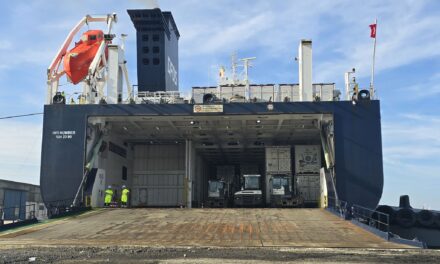
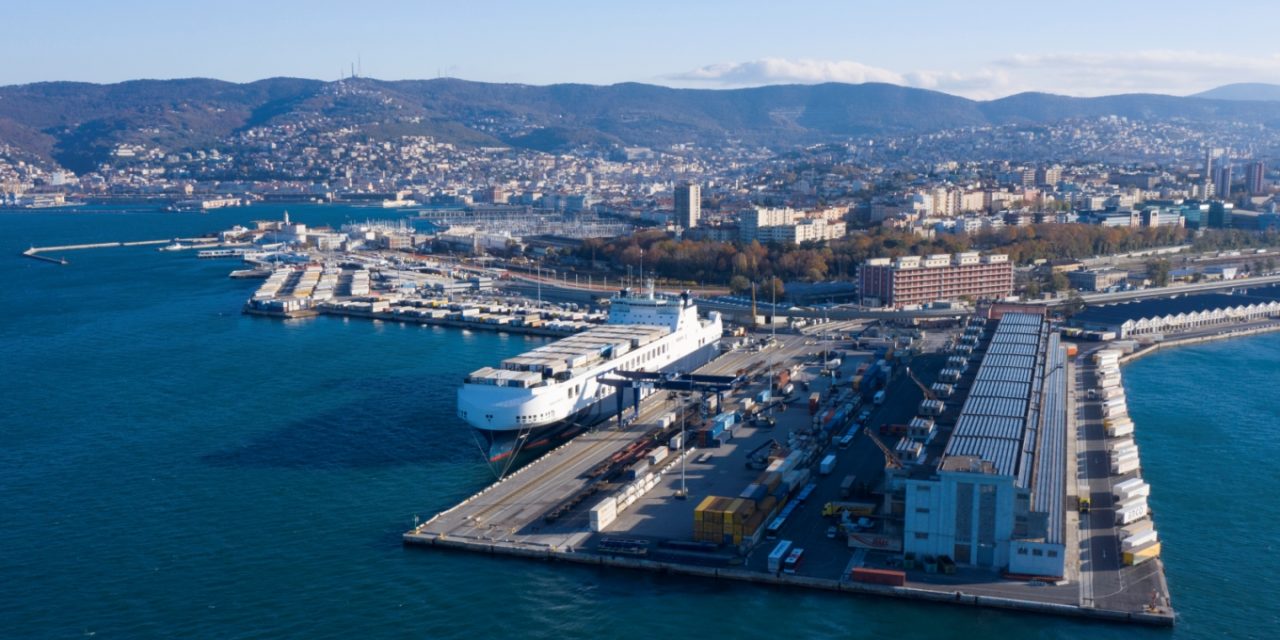
The Ferry Division—which also includes Mediterranean services and, in the Port of Trieste, DFDS’s control of Samer Seaports’ Ro-Ro terminals—reported revenue of around €2.28 billion, down 4.8% year-on-year. The Logistics division grew to €2.1 billion. Net interest-bearing debt was reduced to around €2.05 billion.
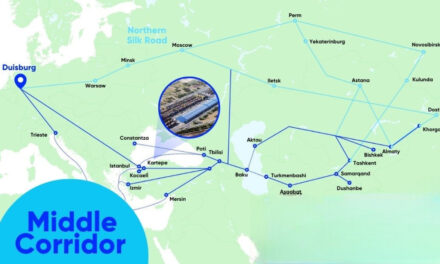
Operationally, the Turkey–Italy corridor saw stronger competitive pressure. The report notes that since mid-September 2024 a competitor (Grimaldi) has injected additional capacity into the “Motorway of the Sea”, with four vessels in operation by end-2025, changing price and market dynamics. The market is described as split 51% sea and 49% road, with the maritime share up by five percentage points since early 2024. The Istanbul–Trieste route is part of the group’s Mediterranean network and is one of the strategic axes towards Central-Eastern Europe. However, excess capacity and weak demand in several European markets weighed on overall margins.
In its 2026 outlook, DFDS expects revenue broadly in line with 2025 and an improvement in EBIT. Growth is expected to be driven mainly by the Mediterranean and Channel networks, as well as by the full-year effect of turnaround initiatives and the cost-reduction programme launched in 2025. For routes linking Europe to Turkey and North Africa, freight volumes are expected to rise further in 2026, although the Turkey–South Europe cluster is expected to remain loss-making broadly in line with 2025. DFDS also aims to strengthen cash generation, with adjusted free cash flow expected to be above zero and a gradual reduction in leverage.