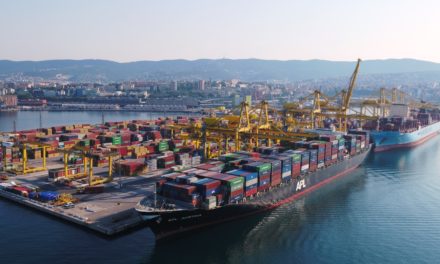


TRIESTE – Friuli Venezia Giulia is presenting itself as a logistics system that is ready to operate, with interports willing to work as a network, but now required to measure themselves against real market dynamics and the need to strengthen exports of regional production through the Port of Trieste.
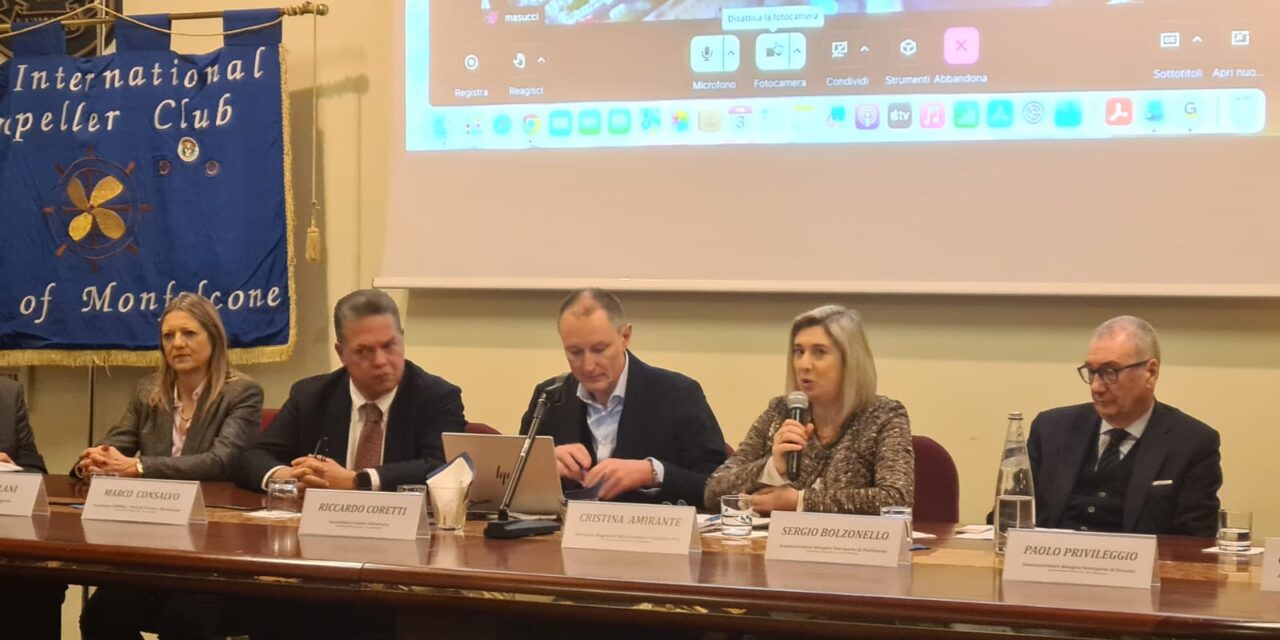
The picture was outlined by Cristina Amirante, Regional Councillor for Infrastructure and Territory, and Marco Consalvo, President of the Eastern Adriatic Sea Port System Authority, speaking yesterday at the meeting “Transport logistics in the Friuli Venezia Giulia region”, organised by the Propeller Club of Monfalcone. Amirante reiterated that logistics is a strategic asset for the regional economy, directly affecting a significant share of GDP—both for local businesses and for the value generated by freight traffic.
At the core of the discussion was the need for integrated management of the logistics chain to strengthen the international attractiveness of the FVG system. This goal requires coordination between the port and the interports, and a clear specialisation of the nodes, which are called not only to cooperate with one another, but also to respond to market logic and to operators’ concrete needs. Representatives of Interporto Trieste, Interporto Gorizia, Interporto Cervignano and Interporto Pordenone took part in the meeting. The discussion highlighted the progress made in recent years on intermodality, sustainability and technological innovation, but also the critical issues that remain unresolved.
Amirante reviewed the first year of activity of the Regional Transport and Logistics Steering Committee, emphasising its coordinating role between institutions and operators. Among the results cited were the mediation that helped reduce the impact of closures on Slovenia’s H4 expressway, avoiding heavy repercussions for the ports of Trieste and Monfalcone, and the green light for a draft law on private logistics sites, designed to manage investments while safeguarding the rail and motorway capacity of the public system.
Looking ahead to the coming months, the priority identified by the councillor remains the strengthening of rail infrastructure. The Port of Trieste—Italy’s leading port for rail freight traffic—has reached saturation levels that make a step change in efficiency necessary. In this context, the specialisation of the interports is indicated as an essential lever to support traffic growth, also in relation to new economic corridors and the need to boost exports of Friuli Venezia Giulia production by sea.