

TRIESTE – With the approval in the Chamber of Deputies’ Foreign Affairs Committee, in recent days, of the resolution tabled by Deputy Speaker Paolo Formentini (Lega), Italy takes a concrete political step towards assessing accession to the Three Seas Initiative (Iniziativa dei Tre Mari) and asks the government to link this possible accession to participation in the IMEC (India–Middle East–Europe Economic Corridor) corridor and in INCE (Indo-Pacific Economic Corridor).
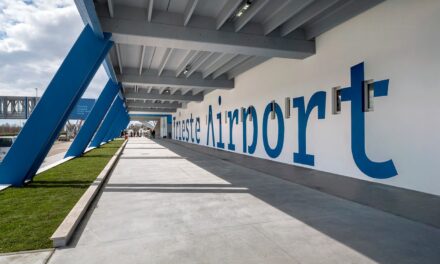
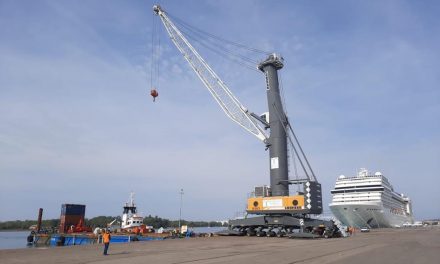
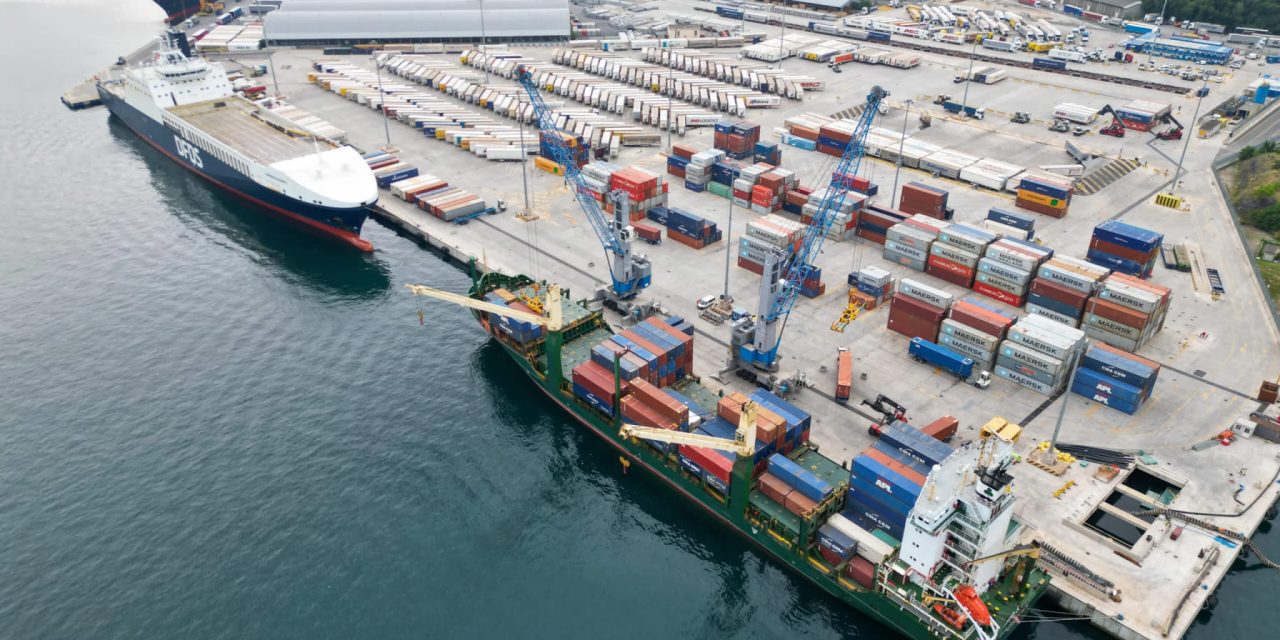
According to Formentini, this move would strengthen Italy’s position as a strategic geographic hinge between East–West and North–South, making the Port of Trieste a key global logistics hub and boosting the competitiveness of the national port system.
The approval of the parliamentary resolution is an important political signal towards integration into multilateral logistics networks such as IMEC and the Three Seas Initiative. “However, turning these visions into concrete, bankable projects will require, over the coming years, intense diplomatic work, infrastructure investment and continuous international coordination,” Formentini himself explains in a note.
Overall, the global connectivity paradigm is changing: Italy aims to play a leading role in a new architecture of worldwide trade and logistics corridors, and Trieste is at the heart of this strategy.
According to international analyses, the project is advancing unevenly across its segments (rail, maritime, energy) and largely remains in a planning and coordination phase among partner countries.
Some think tanks stress that IMEC’s maritime component could offer an immediate operational solution, while the land infrastructure and full strategic integration still require significant political and economic efforts.
Linking IMEC to the Three Seas Initiative would strengthen Europe’s north–south infrastructure integration, improving Italy’s position also as a bridge between Euro-Asian and Balkan corridors.
The Three Seas Initiative
The Three Seas Initiative was launched in 2015 as a cooperation platform among Central and Eastern European countries, with the aim of strengthening infrastructure, energy and digital cohesion. It currently includes Austria, Bulgaria, Croatia, Czechia, Estonia, Greece, Latvia, Lithuania, Poland, Romania, Slovakia, Slovenia and Hungary. The focus is on developing cross-cutting connections, such as motorways, railways, pipelines and digital networks, to reduce dependence on external routes and support economic integration. Despite its relevance, Italy is not yet a member.
g.t.