

TRIESTE – The seizure of a container ship from the MSC fleet marks a new peak in the crisis in the Strait of Hormuz, where maritime traffic remains severely restricted.
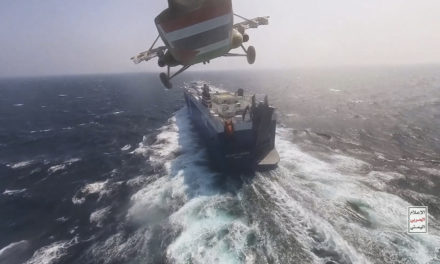
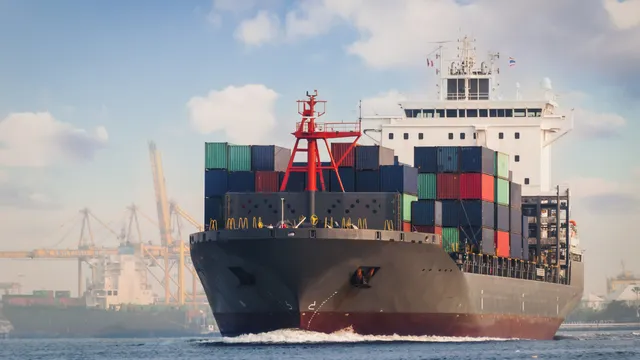
According to international media sources, Iranian forces in recent hours stopped the MSC Francesca while it was transiting the strait. The operation was reportedly carried out by the Revolutionary Guard, which justified the intervention by citing alleged violations of navigation rules.
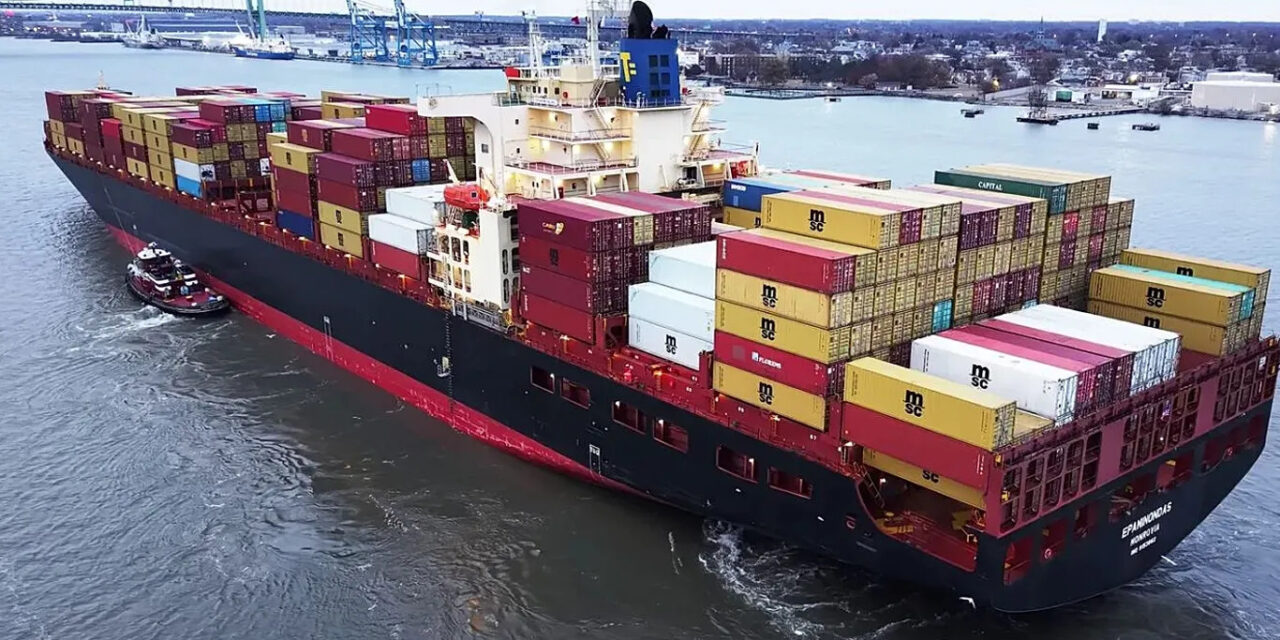
Another container ship was also involved in the same area, the Epaminondas, which was hit by Iranian fire. However, not all sources unequivocally confirm that this vessel was also actually seized. On this point, therefore, there is no full confirmation. The episode comes in a severely degraded operating context. Traffic in the Strait of Hormuz, one of the world’s main energy choke points, is now almost paralysed. Estimates point to only a few dozen daily transits compared with more than one hundred under normal conditions, with more than 200 tankers waiting in the area and thousands of seafarers stuck on board.
The situation also remains fluid from a political and military standpoint. The United States maintains a significant naval presence, while Tehran alternates between statements of openness and more rigid positions, even arguing that a full reopening of the strait is not currently possible. The consequences for the market are already clear: instability in the area is affecting insurance costs and pushing oil prices higher, with crude back above the threshold of 100 dollars a barrel.
For the container sector and European logistics operators, the risk is that of new route diversions and longer transit times, with knock-on effects also on traffic bound for the Mediterranean and the ports of the North Adriatic.
Iran seizes MSC container ship in the Strait of HormuzTraffic almost halted and military tension rising: hundreds of ships blocked in the Gulf