


TRIESTE – Italy and nine other member states are calling on the European Commission to conduct a “pragmatic” review of the Emissions Trading System (ETS) to safeguard the competitiveness of European industry, prevent the relocation of production, and stop maritime transshipment traffic from being diverted to non-EU ports. The news comes from sources at the European Commission in Brussels and from leading industry-specific agencies, on the eve of the presentation of the proposed ETS reform scheduled for tomorrow, July 17.
The joint statement was signed by Bulgaria, Cyprus, the Czech Republic, Estonia, Greece, Hungary, Italy, Poland, Romania, and Slovakia. The ten countries recognize the ETS’s contribution to reducing emissions but believe it is necessary to adapt the system to the European Union’s new priorities, which include industrial competitiveness, energy security, resilience, and the preservation of Europe’s manufacturing base.
One of the main issues concerns the timeline for reducing emissions allowances. According to the signatories, the current approach—which would lead to the depletion of available allowances around 2039—risks pushing companies to relocate production outside the EU. For this reason , they are calling for a more gradual approach, aligned with the 2050 climate goals, and the continuation of free allowances as a tool to combat so-called carbon leakage.
Governments are also calling for the phase-out of free allowances for sectors covered by the Carbon Border Adjustment Mechanism (CBAM) to be suspended until the new mechanism has proven its effectiveness. Another key issue is the stability of the CO2 market. The ten countries are calling for a more predictable price for allowances that is less susceptible to speculation , on the grounds that excessively high costs could undermine the competitiveness of European companies relative to their international competitors.
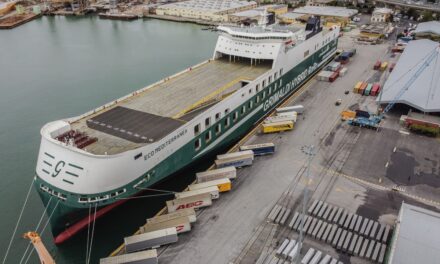
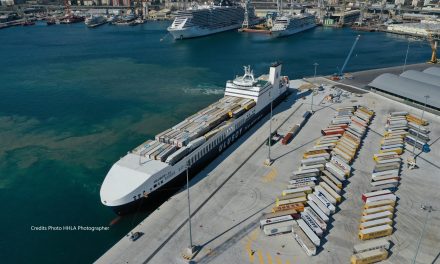
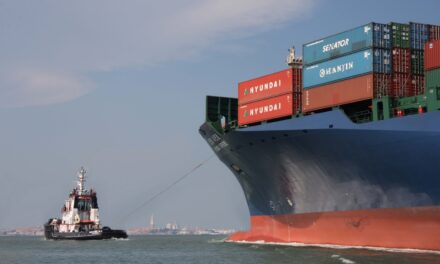
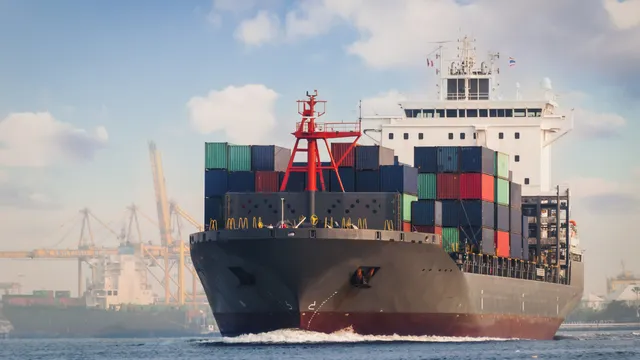
Particular attention is being paid to maritime transport. According to the statement, the current structure of the ETS risks encouraging the shift of transshipment operations from EU ports to hubs located in neighboring third countries , resulting in a loss of traffic for European ports without any real environmental benefits. The signatories are therefore calling for specific corrective measures to prevent this outcome and advocate for the adoption of global solutions within the framework of the International Maritime Organization (IMO), while also maintaining the exemptions provided for certain essential public services.
Finally, the ten countries are calling for a reconsideration of ETS2, the new system for buildings and road transport, whose launch has already been postponed to January 1, 2028. According to the signatories, the current economic and geopolitical context makes it ill-advised to impose new costs on households and businesses, especially at a time when energy and fuel prices remain high.
The European Commission will present its proposal to revise the ETS on July 17. According to reports that have emerged in recent months, the European Commission intends to adjust the pace of emission allowance reductions to ensure their availability even after 2040, while maintaining the Union’s decarbonization targets.