

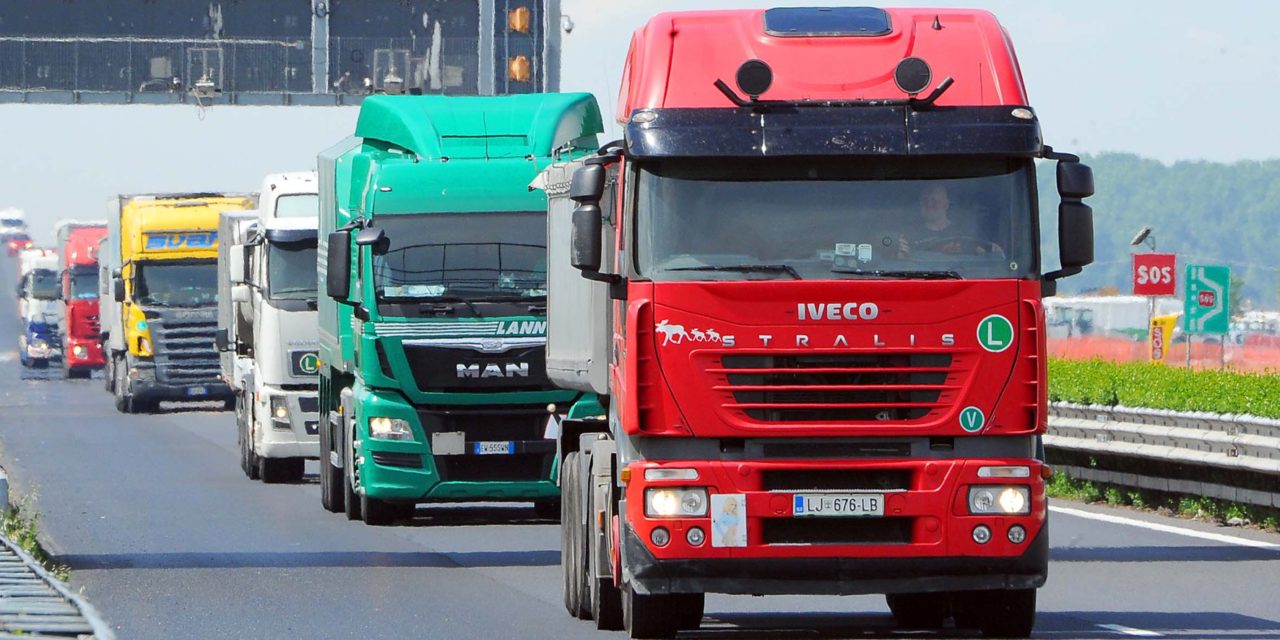
TRIESTE – The closure of the northbound lane of the Slovenian H4 expressway is altering cross-border traffic flows, resulting in a significant increase in the number of vehicles passing through the Trieste-Lisert checkpoint.
The construction work between Vertoiba and Razdrto, which began on July 6 and is expected to last approximately 130 days, continues to affect the Friuli Venezia Giulia highway network. As previously noted in recent days, heavy traffic coming from Slovenia has gradually shifted toward the A4 corridor, making it necessary to strengthen traffic management measures.
Data released by Autostrade Alto Adriatico confirm the impact of the closure. During the first week of the closure, outbound traffic at the Trieste-Lisert toll plaza increased by 16% compared to the same period in 2025, with approximately 21,000 more vehicles—equivalent to over 3,000 additional vehicles per day. Inbound traffic also rose by 10%, with approximately 12,800 additional vehicles.
At the same time, there has been a sharp decrease in traffic along the A34 Villesse-Gorizia, which is normally used by vehicles heading toward the Gorizia border crossing. Traffic entering Villesse decreased by 34%, while traffic exiting Villesse fell by 21%, confirming the shift in traffic flows toward the Trieste interchange.
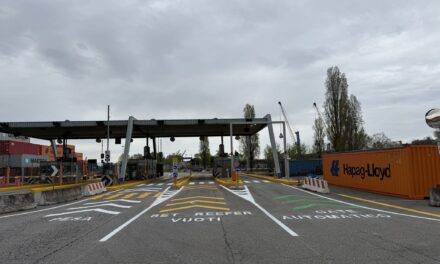
To minimize inconvenience, the concessionaire implemented a series of measures as early as the first weeks of the closure. At the Trieste-Lisert toll plaza , customer service staff were increased, all lanes were enabled for contactless payment, payment procedures between Telepass and manual lanes have been optimized, and, in collaboration with the Highway Patrol, safety cars are being used to divert light traffic along the A34 when traffic jams toward Lisert reach approximately three kilometers.
The H4 emergency comes amid a summer that is shaping up to be particularly busy for the entire Autostrade Alto Adriatico network. In the first six months of 2026 , more than 26 million vehicles were recorded on the highways managed by the concessionaire, representing a 1.2% increase compared to the same period last year. If the trend seen in the first weeks of July continues, more than 11 million vehicles could pass through between July 25 and September 12, surpassing the record set in 2025.
Autostrade Alto Adriatico has confirmed that the automatic mandatory exit system at the Portogruaro interchange—introduced this year on the A4 in the direction of Venice— is operational . The system, described as unique in Italy, allows traffic to be quickly diverted in the event of accidents, reducing the time required to close and reopen the highway from about an hour to about twenty minutes, with benefits for both the safety of highway workers and the flow of traffic.
Finally, there are positive signs on the road safety front. From January 1 to July 12, the total number of accidents decreased from 245 to 240, and the accident rate involving personal injury fell from 4.4 to 3.9 accidents per 100 million vehicle-kilometers, a figure lower than the national average of 6.2. The two-lane section of the A4 between San Donà di Piave and Portogruaro has also shown an improvement, with accidents dropping from 52 to 45 compared to the same period last year.